

 Travel Essentials
 Travel Essentials

Discover Rapa Nui's moai statues, volcanic landscapes, cultural heritage, and essential visitor info including guided tours, hikes, and island logistics in this detailed Easter Island guide.
 Travel Essentials
Rapa Nui, known globally as Easter Island, captivates with its enormous stone moai statues and isolated Polynesian heritage. This remote Chilean outpost in the Pacific Ocean offers profound archaeological wonders, dramatic volcanic terrain, and vibrant cultural traditions, drawing adventurers seeking mystery and natural beauty.
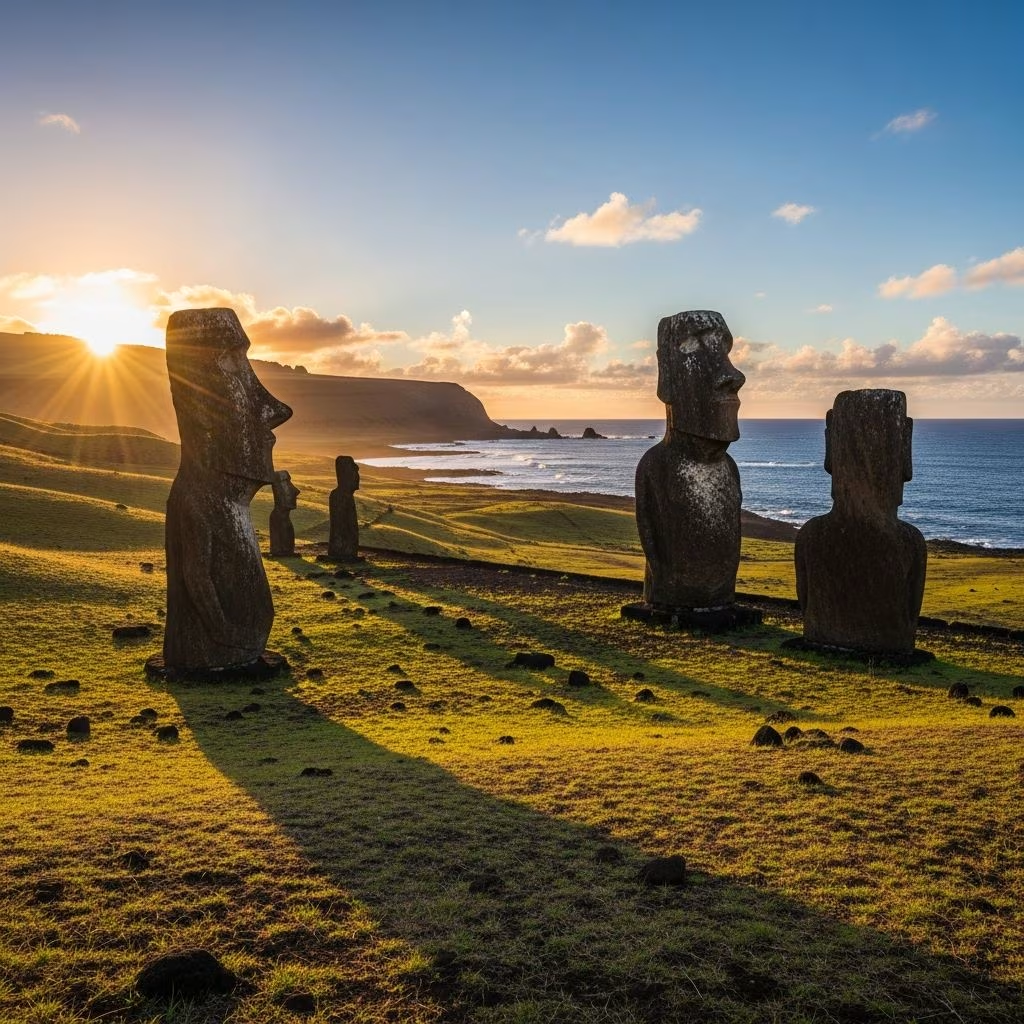
The moai, towering monolithic figures carved from volcanic rock, represent ancestors and stand as silent guardians across Rapa Nui’s landscapes. These statues, some exceeding 10 meters in height, were crafted between the 13th and 16th centuries by the Rapa Nui people, showcasing remarkable engineering feats without metal tools.
Key clusters include Ahu Tongariki, home to 15 restored moai forming the island’s most iconic platform, best viewed at sunrise for ethereal lighting. Nearby, Rano Raraku quarry reveals half-finished moai in various stages, illustrating the production process where over 400 statues remain embedded in tuff rock.
Visiting these requires a Rapa Nui National Park pass, mandatory for most sites to preserve the UNESCO World Heritage area.
Rapa Nui’s three main volcanoes define its geology: Rano Kau in the southwest boasts a 1.5 km-wide crater lake dotted with totora reeds, offering panoramic vistas of offshore motus (islets). Adjacent Orongo Ceremonial Village hosted the Birdman cult, where competitors swam to Motu Nui islet to retrieve the first sooty tern egg, racing back for annual leadership rites; a small museum details this ritual.
Ahu Vinapu features precise Inca-like stonework, sparking theories of pre-Columbian contact, while Puna Pau crater supplied red scoria for pukao hats. These sites demand guided access, with tours providing context on Rapa Nui cosmology and societal shifts.
Rapa Nui’s compact 163-square-km size suits exploration on foot, with trails weaving through lava fields, caves, and archaeological zones. The north coast trek from Ahu Te Peu to Anakena spans 14 km, passing unrestored ahu platforms, poe-poe boat-shaped structures, and Ana Kakenga lava tube with ocean-facing windows.
A popular red trail loops 15 km from Ahu Akivi via Ana Te Pahu cave to coastal petroglyphs at Papa Vaka, depicting boats and marine life. Summit Maunga Terevaka (507m), the island’s highest point, via a 9.5 km horseback or hike from Ahu Akivi, revealing 360-degree views once used for celestial navigation training.
| Trail Name | Distance | Highlights | Best For |
|---|---|---|---|
| North Coast Hike | 14 km | Ahu sites, lava tubes, beaches | Full-day adventurers |
| Ahu Akivi Loop | 15 km | Petroglyphs, caves, moai | Hikers with stamina |
| Terevaka Summit | 9.5 km RT | Panoramic views, star navigation history | Horseback or fit walkers |
Always carry water, sun protection, and inform locals of plans; guided options enhance safety and historical depth.
Anakena Beach, with powdery white sand and swaying palms, marks the legendary landing of King Hotu Matu’a; visit freely to swim and picnic amid moai. Nearby Ovahe offers seclusion for snorkeling.
Ana Te Pahu and other lava caves served as ancient refuges, some with frescoes; explore cautiously with guides. Dive or snorkel at coral reefs, including a submerged moai from the film Rapa Nui, spotting marine life.
The Tapati Rapa Nui festival in February features athletic contests, dances, and body-painting, reenacting traditions though commercialization raises authenticity questions; book early as prices surge. Evening shows in Hanga Roa showcase ukulele music and haka dances.
Hanga Roa, the sole town, buzzes with seafood empanadas, fresh tuna, and artisan crafts; stroll for street art and the Padre Sebastián Englert Anthropological Museum.
Getting There: Fly from Santiago (5 hours) via LATAM; limited seats require advance booking, especially peak season (December-March).
National Park Rules: $70 USD pass valid 10 days; mandatory licensed guides for 90% sites except Ahu Tahai and Anakena. Scan QR code on arrival or buy online; Orongo/Rano Raraku limited to one visit.
Getting Around: Rent bikes/scooters for town/beaches; cars/ATVs for independence, but guides essential for parks. Walking suits Hanga Roa; taxis available.
Accommodations: Range from guesthouses to eco-lodges; book ahead. Expect higher costs due to remoteness.
Best Time: Dry season (October-April) for warmth; avoid winter rains. Sustainable practices: stick to paths, no touching artifacts.
Yes, for most national park areas like Rano Raraku and Orongo; exceptions are Ahu Tahai and Anakena Beach.
Minimum 4-5 days to cover highlights without rushing; 7+ for hikes and relaxation.
Around $70 USD, valid 10 days; purchase online or airport.
Short trails near town yes, but major routes recommended with guides for context and access.
For cultural vibrancy yes, but expect crowds and price hikes; authentic elements blend with tourism.
Respect Rapa Nui’s fragility: use reef-safe sunscreen, support local guides, minimize plastic. The island’s ecology suffered deforestation historically; modern visitors aid restoration.
