

 Travel Essentials
 Travel Essentials

Learn critical rattlesnake safety protocols, prevention techniques, and emergency response procedures for secure outdoor recreation.
 Travel Essentials
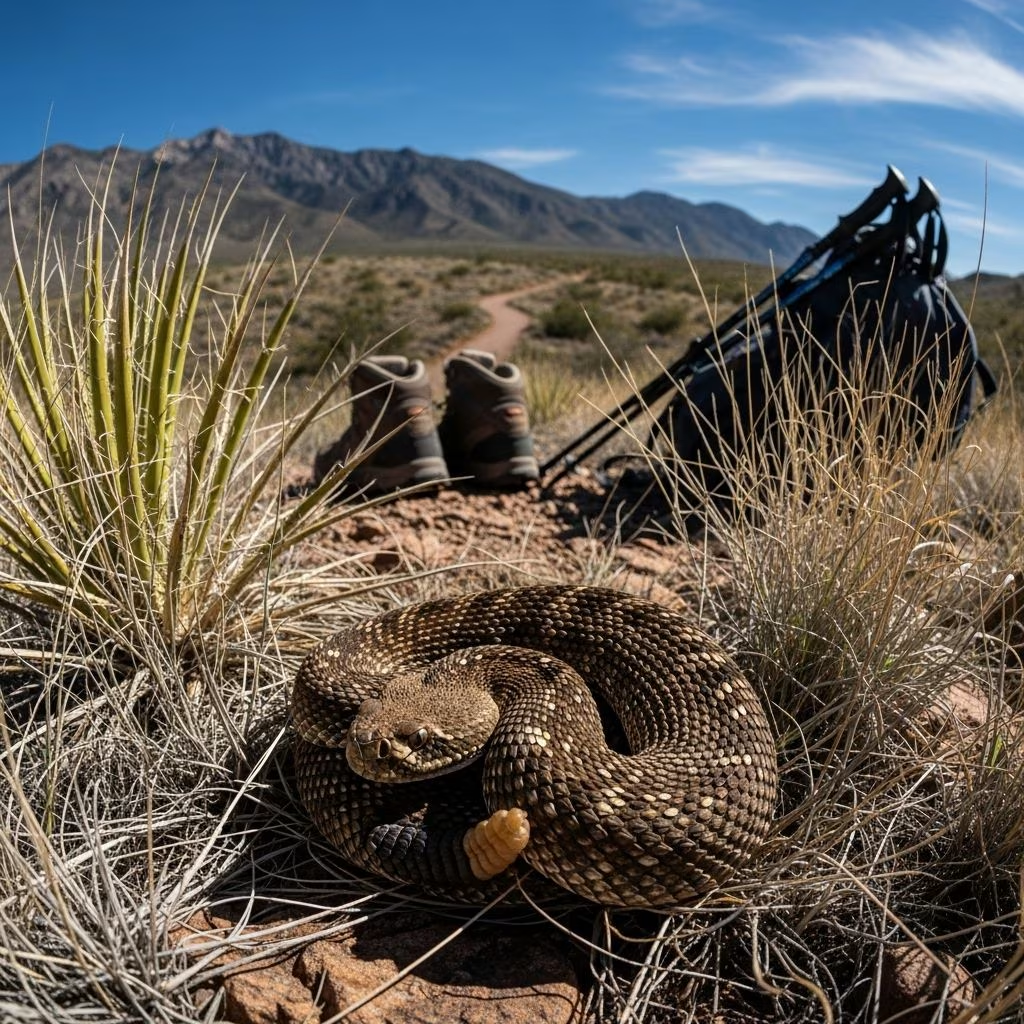
Outdoor recreation offers unparalleled opportunities to connect with nature, whether through fishing expeditions, hiking adventures, or camping excursions. However, venturing into rattlesnake habitats requires careful preparation and knowledge. Understanding how to coexist safely with these creatures transforms potentially dangerous encounters into manageable situations. This comprehensive guide equips outdoor enthusiasts with the practical information needed to prevent incidents and respond appropriately if a bite occurs.
Rattlesnakes are found throughout diverse ecosystems across North America, with over 25 distinct species inhabiting various regions of the United States. These reptiles are generally reclusive and prefer avoiding human contact. However, approximately 8,000 people experience venomous snake bites annually in the United States, with 10 to 15 resulting in fatalities. The seasonal risk intensifies significantly between April and October, coinciding with increased outdoor activity and warmer temperatures that bring snakes out of hibernation.
Critical to understanding your risk is recognizing that rattlesnakes do not always provide audible warnings before striking. The distinctive rattle serves as a defensive mechanism designed to encourage avoidance, yet surprised snakes may attack without this announcement. Additionally, freshly killed snakes retain the ability to inject venom for extended periods after death, making handling dangerous even after apparent elimination of the threat.
Selecting proper attire forms the foundation of rattlesnake prevention. Wear high-ankle hiking boots constructed from durable materials that resist puncture. Pair these with thick socks that provide additional protective layers. Complement this with loose-fitting long pants that extend over your boot tops, creating a barrier between your legs and potential strikes. Avoid walking barefoot or wearing sandals in areas where rattlesnakes are known to inhabit, as these provide minimal protection and increase vulnerability.
When possible, remain on established trails rather than bushwhacking through unmaintained areas. Well-maintained paths reduce encounters because snakes tend to detect approaching vibrations and typically move away from the trail. This creates natural separation between you and the animals. Conversely, when people leave marked routes and surprise snakes in their resting areas, confrontations become more likely.
Avoid tall grass, dense weeds, and heavy underbrush where snakes seek shelter during daylight hours. When encountering fallen trees or large rocks in your path, step onto them rather than over them, allowing visibility of the other side before committing your weight. Never turn over rocks or logs with your bare hands; if necessary, wear protective gloves and roll the object toward you, giving any sheltering snake an escape route in the opposite direction.
Recognize that rattlesnakes are capable swimmers and may be encountered in aquatic environments. When swimming in lakes and rivers, never grab items you cannot clearly identify as branches or sticks, as these may actually be snakes. Maintain visual awareness of your surroundings and avoid reaching into murky water where snakes could be hidden.
Snakes congregate near water sources, particularly in dry environments where moisture becomes scarce. If your adventure includes exploration near springs or rivers, exercise heightened vigilance. Cold-blooded creatures seek warmth, so rocky areas and trails with sunny patches attract rattlesnakes, especially along edges where sun and shadow meet. During nighttime activities, use flashlights to illuminate your path and identify potential threats before approaching.
Maintain full auditory awareness while hiking by keeping headphones off or wearing just one earbud. The rattle serves as nature’s alarm system; hearing it provides crucial warning to retreat from the area. Some outdoor enthusiasts recommend avoiding sunglasses on dappled trails, as the coloration of Pacific rattlesnakes provides natural camouflage that becomes more visible without darkened lenses.
If you hear the characteristic warning rattle, immediately move away from the area without making sudden or threatening movements toward the snake. Do not attempt to chase snakes off the trail, as this aggressive action provokes the defensive response that leads to most bites. Snakes prefer avoidance over confrontation; give them the opportunity to retreat peacefully by removing yourself from their space.
Should you accidentally come close to a snake, remain calm and back away slowly. Panicking often leads to secondary injuries such as tripping over obstacles or falling, compounding your emergency situation.
If a rattlesnake bite occurs, your immediate response dramatically influences outcomes. The first priority is maintaining calm, as panic triggers physiological responses that accelerate venom circulation. Carefully walk backward and locate a safe place to sit down nearby before venom effects lower your blood pressure, potentially causing loss of consciousness and head injuries.
Remove all constrictive items including watches, rings, bracelets, and anything else that could function as a tourniquet if your limb swells dramatically. These items become extremely difficult to remove once swelling progresses, so prioritize their removal immediately. Gently wash the bite area with soap and water if available. Immobilize the affected limb and keep the bite site below heart level if possible, as this slows venom circulation.
Using a permanent marker, circle the bite site and record the time beside it. Mark the boundaries of any swelling and note your symptoms, then repeat this documentation every 30 minutes. This technique creates a visual record that helps medical professionals assess venom spread and severity without requiring positive species identification.
Call emergency dispatch via radio or 911 as your highest priority. If you lack reception, identify the safest and most expedient path to locate a signal or reach a vehicle, whichever is faster and safer, then begin moving toward help. Transport yourself or the victim to the nearest medical facility immediately. For children bitten by rattlesnakes, treatment becomes even more time-sensitive, as venom can affect smaller bodies more rapidly; avoid waiting more than 10 minutes before beginning transport to hospital care.
Outdated first aid techniques for snakebites cause more harm than benefit. Do not apply tourniquets or constriction devices, which increase local tissue damage from venom. Pressure-immobilization bandages are inappropriate for viper bites including rattlesnakes. Do not make incisions over the bite wound or attempt to cut and suck venom from the puncture. Do not apply commercial snakebite extraction kits; these devices provide no benefit and have been confirmed as dangerous by poison control centers.
Avoid icing the wound or using electrical shock devices, including stun guns. Do not suck venom out with your mouth. These harmful practices waste precious time and cause additional injury. Research confirms that no first aid is often less harmful than bad first aid when managing snakebites.
Modern antivenom has revolutionized rattlesnake bite outcomes, resulting in very few deaths when victims receive appropriate treatment. Approximately 25 to 33 percent of rattlesnake bites are “dry,” meaning no venom was injected, yet even these wounds require medical evaluation. Medical professionals can assess venom load through symptom evaluation and progression, providing targeted treatment that prevents complications including blood clotting disruption and tissue necrosis.
Essential items to carry on any excursion into rattlesnake territory include a functional mobile phone for emergency communication and a permanent marker for documenting bite progression. These simple tools dramatically improve outcomes by enabling rapid emergency contact and providing medical teams with crucial information about venom spread.
Approximately 10 to 15 deaths occur annually from the roughly 8,000 venomous snake bites in the United States. With prompt medical attention and antivenom availability, survival rates are very high.
Yes. While rattles serve as warning systems, snakes may strike without providing audible alerts, particularly when surprised. Never assume absence of sound means absence of threat.
Freshly killed rattlesnakes retain venom injection capability for extended periods, making handling dangerous even after death. Avoid touching deceased snakes.
Transport your child to medical facilities within 10 minutes, as venom affects smaller bodies more rapidly. Follow all immediate response protocols including removal of constrictive items, limb immobilization, and emergency contact.
No. All snakebite extraction kits are dangerous and provide no medical benefit. Focus instead on prompt transportation to medical care.
Risk peaks between April and October, aligning with warmer weather and increased outdoor recreation. If planning adventures during these months, implement all prevention strategies discussed herein. During night activities, use flashlights consistently, as rattlesnakes may roam at any hour depending on weather conditions and external factors such as wildfires.
Rattlesnakes play important ecological roles and prefer avoiding humans. By understanding their behavior, implementing proven prevention strategies, and preparing for unlikely emergencies, you can safely enjoy fishing trips, hiking adventures, and other outdoor pursuits in rattlesnake country. Education and preparation transform potential hazards into manageable considerations, allowing you to focus on the remarkable experiences that wilderness exploration offers.
