

 Travel Essentials
 Travel Essentials

Explore New Mexico's chile culture: from fresh green heat to rich red earthiness, iconic dishes, history, and tips for savoring the Land of Enchantment's spicy soul.
 Travel Essentials
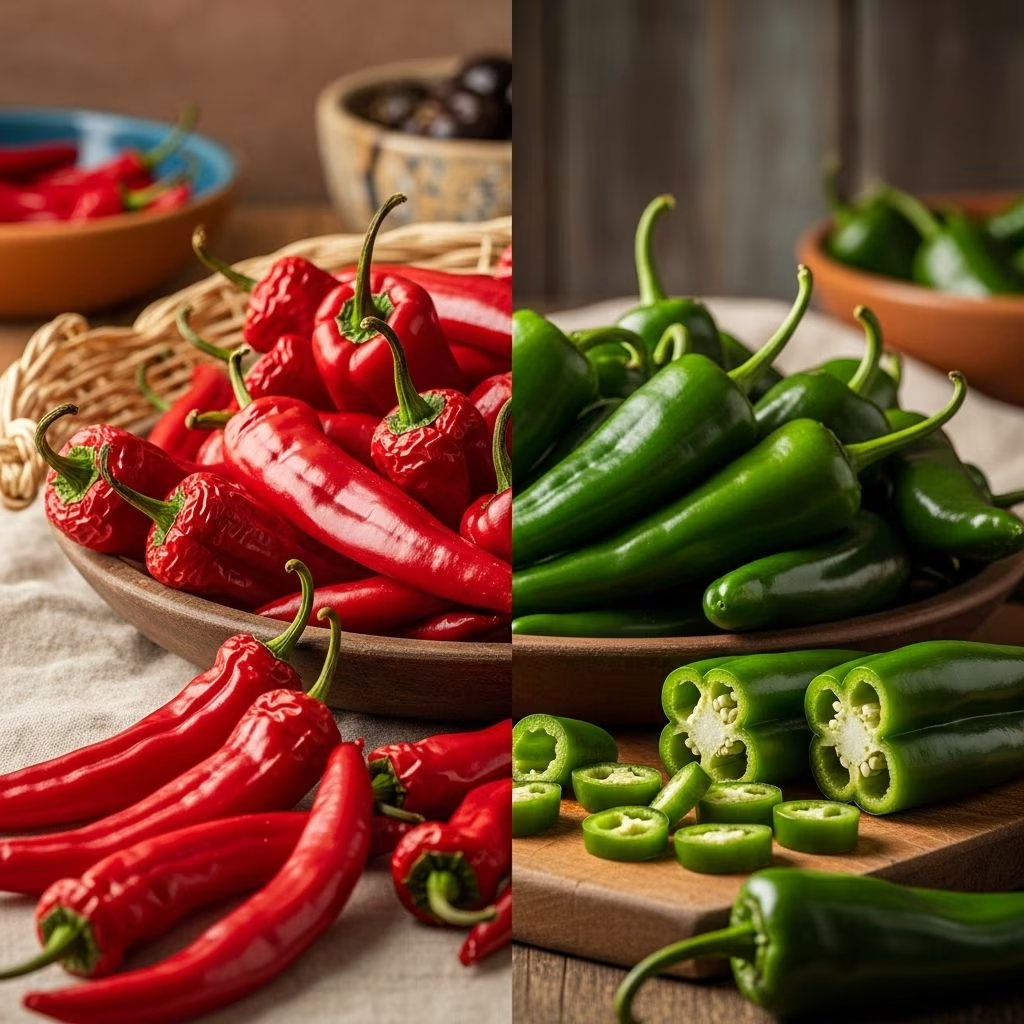
New Mexico’s culinary landscape revolves around a simple yet profound choice: red or green chile. This question, enshrined as the state’s official query by legislation in 1996, captures the essence of local pride and flavor passion. Both varieties stem from the same Capsicum annuum plants, primarily Hatch and Chimayó types, but their ripeness dictates distinct tastes and uses that define everyday meals and festive feasts alike.
Chile peppers arrived in the Southwest via Spanish colonizers in the 16th century, blending with Pueblo Indigenous traditions to birth a unique gastronomic identity. Today, road signs featuring red and green chiles welcome visitors, symbolizing how these peppers permeate New Mexican life. Grown in fertile valleys like the Mesilla and Hatch regions, chiles thrive in the high-desert sun, yielding pods that locals roast en masse during harvest season.
Farmers pick green chiles early for freshness, while others mature on the vine to crimson perfection before drying into ristras—those iconic hanging garlands adorning adobe homes. This maturation process halts chlorophyll production, concentrating sugars and oils for a sweeter profile in reds. New Mexico produces over 80% of U.S. chiles, with annual festivals celebrating the crop’s bounty.
Green chiles represent immediacy and vibrancy. Harvested unripe, they boast a crisp, vegetal punch with grassy notes and variable heat—often hotter than reds due to capsaicin levels influenced by soil, water, and sunlight. Roasting over open flames blisters the skins for easy peeling, unlocking smoky depth while preserving tenderness.
Key traits of green chile:
In kitchens, green chile stars in chile verde pork, where tender meat simmers with roasted pods, tomatillos, garlic, and onions for a zesty broth. It’s swirled into cheeseburgers, breakfast burritos, or even pizza, embodying New Mexico’s fusion spirit.
Red chiles evolve from their green beginnings, ripening into pods with intensified flavors: deeper, smokier, and subtly sweet. Dried and ground into powder or rehydrated for sauce, they offer smoother heat that builds gradually, rarely overwhelming the palate.
Production involves stringing into ristras for air-drying, then processing. The result? A velvety red sauce base for classics like stacked enchiladas layered with cheese and onions, or carne adovada—pork marinated overnight in the potent puree. Heat sits milder, around 500–2,500 Scoville, prioritizing richness over burn.
| Aspect | Green Chile | Red Chile |
|---|---|---|
| Harvest Stage | Unripe, fresh | Ripe, dried |
| Flavor Notes | Grassy, sharp, vegetal | Earthy, sweet, smoky |
| Typical Heat | Hotter (1k–8k SHU) | Milder (500–2.5k SHU) |
| Signature Dishes | Chile verde stew, burgers | Enchiladas, posole |
| Texture in Sauce | Chunky, fresh | Smooth, rich |
Red and green chiles fuel New Mexico’s stacked-plate wonders. Green chile cheeseburgers, a staple at spots like Santa Fe’s Shake Foundation, pair juicy patties with roasted Hatch for a handheld explosion. Red enchiladas, flat corn tortillas bathed in crimson sauce, melt with cheddar at institutions like Frijoles & Fiestas in Taos.
Opt for Christmas style—both sauces drizzled together—for harmony. Posole, a hominy stew, takes red for pork versions or green for chicken. Tamales hide shredded meat in masa dough slathered with either, while sopaipillas—pillowy fried bread—sop up sauces like sponges.
Pairings extend to eggs (green for brightness), beef (red for depth), or fish tacos (green relish).
Beyond plates, chiles symbolize resilience. Pueblo tribes cultivated pre-Columbian ancestors; Spanish friars spread varieties. The Hatch Chile Festival draws thousands annually, with roasting drums perfuming the air. Ristras bless doorways, warding evil per folklore.
Today, innovation thrives: green chile wines, ice creams, and beers. Chefs like those at Albuquerque’s Frontier Restaurant elevate tradition, while farms offer u-pick experiences. Climate challenges spur sustainable practices, like drought-resistant hybrids.
Visit Hatch in September for peak season, touring farms like Sparx Chile Farm. In Santa Fe, The Shed serves definitive red enchiladas; Las Cruces’ La Nueva Casita Café masters green. Road-trippers hit 66 Diner in Albuquerque for retro burgers.
Pro tips:
Heat tolerance? Start mild; Big Jims forgive newbies.
Generally yes, due to harvest timing, but variety and terroir vary heat.
Broil or grill until charred, steam in bags, then peel—mimics commercial drums.
Possible, but expect flavor shifts: green adds zip, red depth. Christmas blends ideal.
Hatch Valley farms, roadside stands, or festivals; avoid imports lacking sun-kissed taste.
Official question since 1996; peppers on welcome signs affirm cultural core.
Chiles pack vitamin C, antioxidants, and capsaicin for metabolism boosts. Stock powders, frozen roasted, or canned for ease. Recipes abound online, but authenticity shines in handmade sauces.
