

 Travel Essentials
 Travel Essentials

Learn how to travel reef-safe with simple choices on sunscreen, snorkeling, plastics, dining, and tours that protect coral reefs.
 Travel Essentials
Coral reefs support vibrant marine biodiversity and coastal economies, yet they face threats from tourism-related activities. Adopting reef-safe practices ensures these ecosystems thrive for future generations.
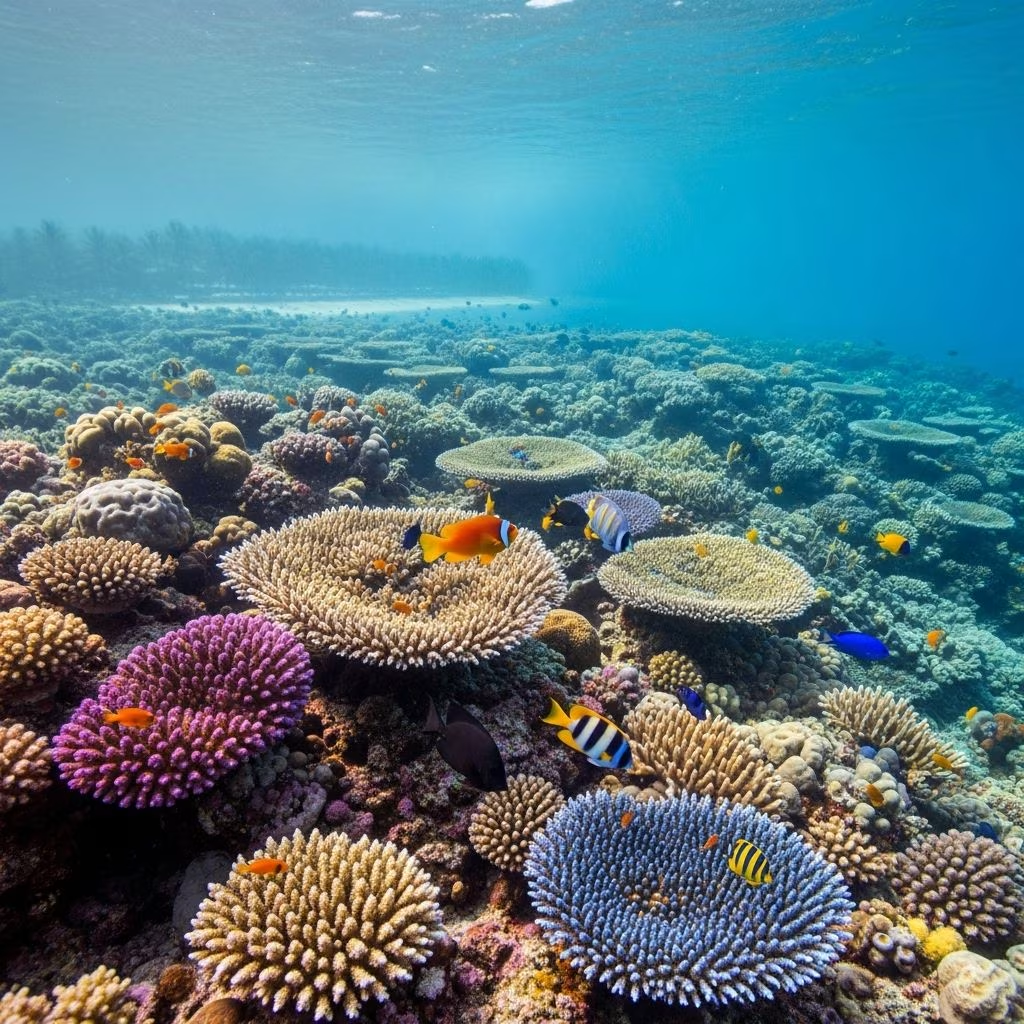
Coral reefs consist of delicate polyps that build calcium carbonate structures, hosting 25% of ocean species despite covering less than 1% of the seafloor. Human actions like chemical pollution, physical damage, and climate impacts exacerbate bleaching and disease. Travelers can mitigate harm through informed choices.
Conventional sunscreens release oxybenzone and octinoxate, which induce coral bleaching and DNA damage even at low concentrations. Opt for mineral-based formulas with zinc oxide or titanium dioxide, filtered for non-nano particles to avoid toxicity.
Some destinations, including Hawaii and Palau, enforce bans on harmful sunscreens, with fines for violations.
Snorkeling and diving demand buoyancy control to prevent fin kicks from stirring sediment that smothers corals. Maintain neutral buoyancy through proper weighting and practice in pools if needed.
| Activity | Best Practice | Why It Matters |
|---|---|---|
| Snorkeling/Diving | Hover 1-2 feet above reef; avoid touching | Prevents breakage and bacterial transfer from skin oils |
| Boating | Use designated moorings; check depths | Avoids propeller damage and grounding |
| Swimming | Float gently; no standing on corals | Reduces crushing of fragile structures |
Post-dive, rinse gear thoroughly to halt disease spread. Never collect souvenirs or feed fish, as this alters natural behaviors.
Single-use plastics entangle wildlife and leach toxins, contributing to reef degradation via ocean currents. Carry reusables to cut waste.
Pick up litter encountered—each piece prevents ingestion by turtles mistaking it for jellyfish.
Certified operators prioritize low-impact practices. Seek Green Fins members or those with national eco-labels.
These choices funnel tourism dollars into protection, as reefs generate billions annually.
Apps like Eye on the Reef enable photo uploads of bleaching or wildlife sightings, aiding monitoring efforts on sites like Australia’s Great Barrier Reef.
Such participation amplifies conservation impact beyond personal trips.
Overfishing depletes herbivorous fish vital for algae control on reefs. Consult regional guides from WWF or local authorities.
This supports fishery recovery and reef health.
Aviation emissions fuel warming and acidification harming reefs. Offset flights via verified programs and pack light for efficiency.
Local stays amplify community benefits over fly-and-flop packages.
Eco-hotels minimize waste and energy use. Shun coral jewelry or shells, which fuel illegal trade.
Authentic experiences foster stewardship.
It lacks oxybenzone, octinoxate, and nanoparticles, using physical blockers like zinc.
No—contact transfers oils causing disease; observe from afar.
Look for Green Fins or PADI eco-ratings on their sites.
Not necessarily; avoid essential oils like lavender that repel insects harmfully.
Report to authorities; do not intervene.
Home actions sustain efforts: advocate policy, donate to trusts, educate networks. Coral recovery demands global commitment.
