

 Travel Essentials
 Travel Essentials

Explore practical advice on renting versus buying ski gear, essential equipment tips, package options, and strategies to optimize costs and performance on the mountain.
 Travel Essentials
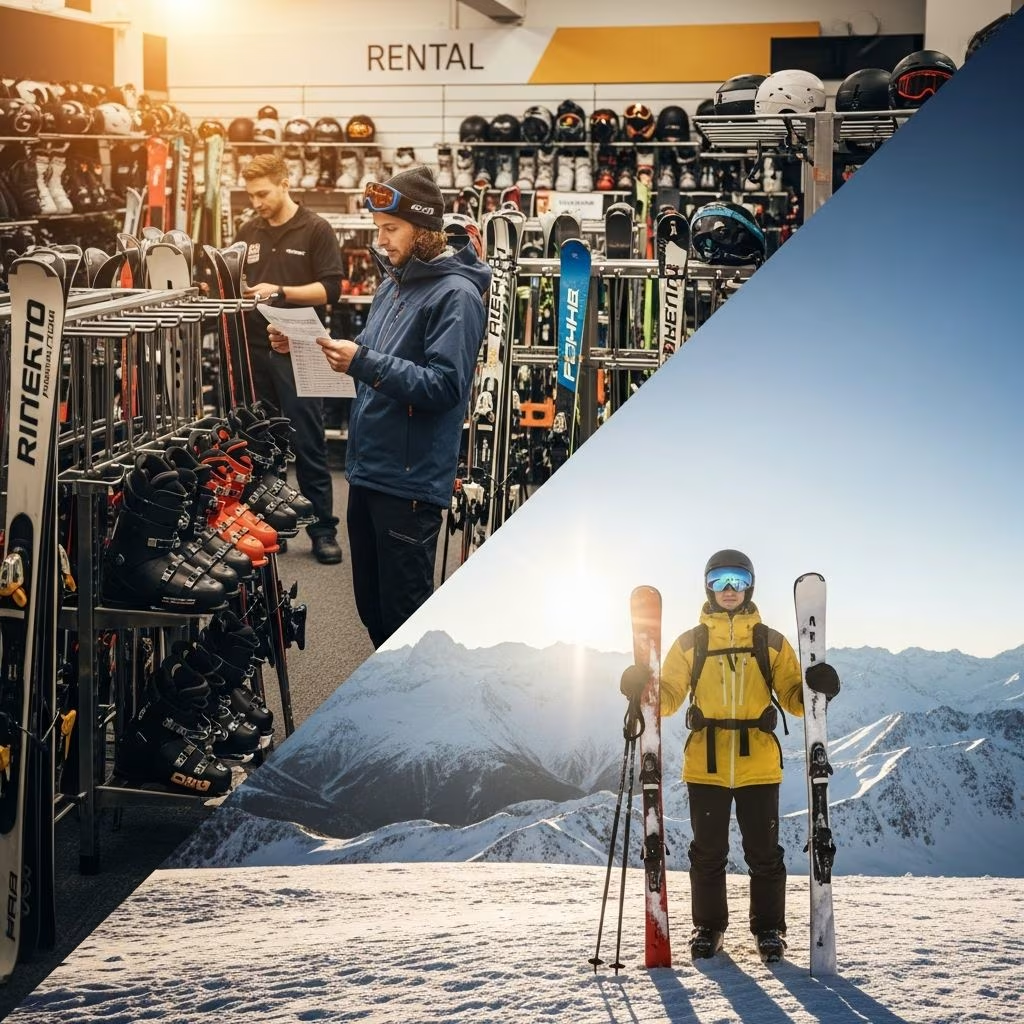
Deciding between renting ski gear or purchasing your own setup is a pivotal choice for anyone stepping onto the slopes. Renting offers flexibility and low initial commitment, ideal for novices or infrequent visitors, while buying provides customization and long-term savings for dedicated enthusiasts. This guide breaks down the options, equipment essentials, and strategies to ensure your time on the mountain is both enjoyable and efficient.
Before selecting gear, assess how often you plan to ski. Casual participants who hit the slopes a few times per season benefit most from rentals, avoiding storage and maintenance burdens. Frequent skiers, aiming for 10 or more days annually, often find ownership more economical over time. Factors like travel frequency and skill progression also influence the decision—renting suits airport hauls, while owning allows fine-tuning to personal preferences.
Beginners should prioritize experimentation. Trying different setups helps identify what feels right without financial risk. As skills develop, transitioning to owned gear ensures consistency, which accelerates improvement.
Core equipment includes boots, skis or snowboard, poles, helmet, and bindings. Boots stand out as the most critical item, directly affecting control and comfort. Ill-fitting boots lead to fatigue and injury, so prioritize proper fitting regardless of rental or purchase.
For novices, opt for forgiving shapes like rockered tips that initiate turns easily on groomed runs.
Rental shops categorize offerings into basic, premium, and demo levels. Basic packages use durable, entry-level gear suited for beginners. Premium options feature newer models with better responsiveness, while demo gear mimics retail quality for testing advanced tech.
| Package Type | Best For | Key Features | Typical Cost (Per Day) |
|---|---|---|---|
| Basic | Beginners, Casual Use | Standard skis/boots, reliable but older | $40-60 |
| Premium | Intermediate, Frequent Renters | Newer models, improved flex/control | $60-90 |
| Demo | Advanced, Gear Testers | Latest tech, resort-specific tuning | $90+ |
Season-long rentals lock in gear for the winter, often including free tune-ups. Ideal for families or those skiing 7+ days, they eliminate daily hassles and support skill-building with familiar equipment.
Daily rentals shine for sporadic trips. No long-term ties mean easy access to destination-specific gear tuned for local snow. However, repeated fittings and potential queues cut into slope time, and gear quality varies.
Travelers avoid baggage fees, making this option practical for vacations.
For regular local skiers, seasonal leases provide value. Pickup once, ski all winter—perfect for quick getaways or growing kids needing size adjustments. Costs typically break even after 7-10 days compared to daily rates.
Maintenance perks like edge sharpening keep edges sharp for powder days. Beginners appreciate the stability of the same setup, fostering confidence.
Purchase own gear after 15+ ski days yearly. Upfront costs recoup via per-day savings, plus gear lasts multiple seasons with care. Customization—exact boot flex, ski sidecut—boosts performance.
Start with boots: owning them pairs with rentals for better fit immediately. Skis follow once preferences solidify, like all-mountain models for versatility.
Novices thrive with accessible equipment. Shorter skis (chin height) offer maneuverability; snowboards sized by weight for balance.
Budget models like frontside skis around $600 deliver value without excess features.
A popular approach for committed yet cautious skiers: invest in boots first. Their fit is personal and transformative. Rent skis/bindings to test shapes seasonally, committing to purchase when ready.
This minimizes risk while elevating experience—better boots mean precise turns from day one.
Owned gear demands attention: annual tunes, wax for snow type, boot heaters for fit. Rentals often include this, a boon for busy users.
Store skis vertically, dry boots post-use. Proper care extends life, maximizing value.
Beyond basics, prioritize protection. Helmets prevent 50% of head injuries; goggles shield eyes. Gloves with gauntlet cuffs seal snow out.
| Option | 5 Days | 10 Days | 20 Days |
|---|---|---|---|
| Daily Rent ($50/day) | $250 | $500 | $1,000 |
| Season Rent ($300) | $300 | $300 | $300 |
| Buy ($800, 3 seasons) | $267/day1 | $80/day | $40/day |
Breakeven shifts with usage—buying excels for high-volume skiers.
Beginners should rent to explore preferences without commitment, using forgiving gear for safe learning.
Boots—proper fit ensures control, comfort, and injury prevention.
Yes, for 7+ days: convenience, consistency, and included service outweigh daily costs.
Absolutely—buy boots, rent skis for optimal fit and flexibility.
Beginners: chin to nose height; measure stance and ability for precision.
Align choices with lifestyle: rent for flexibility, buy for dedication. Start simple, progress thoughtfully—your gear should amplify joy, not hinder it. With smart picks, every run becomes memorable.
