

 Travel Essentials
 Travel Essentials

Explore repositioning cruises: one-way voyages offering discounted fares, unique itineraries, and more sea time. Learn routes, benefits, drawbacks, and booking tips.
 Travel Essentials
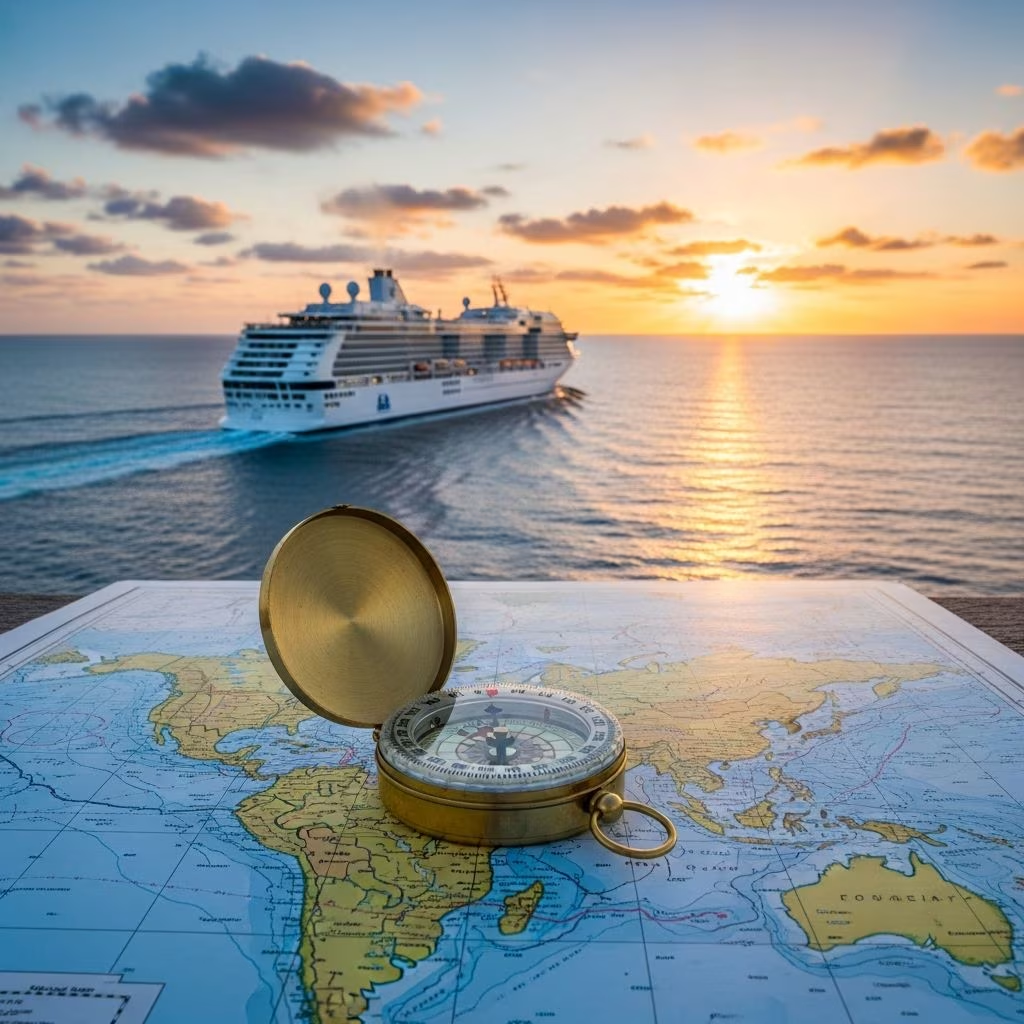
Repositioning cruises provide travelers with exceptional opportunities to experience long-haul voyages at reduced prices, combining the luxury of a cruise vacation with the thrill of crossing vast oceans or continents.
These special sailings occur when cruise lines relocate their ships from one operating region to another, typically to align with seasonal demand. For instance, vessels move from the Mediterranean to the Caribbean in fall or from Alaska to Asia in late summer. Unlike standard round-trip itineraries, these are one-way trips that end in a different port, often requiring passengers to arrange return travel independently.
The primary driver is seasonality: cruise companies chase warmer climates or peak tourist seasons. Ships based in Europe during summer head to the Caribbean for winter escapes, creating transatlantic crossings. Similarly, vessels from Alaska reposition to Hawaii or Australia post-summer. Other reasons include dry-dock refurbishments in Europe or Asia, prompting one-time relocations.
Repositioning cruises feature diverse paths, often spanning 10 to 20+ days with multiple sea days. Common routes include:
These itineraries prioritize scenic, less-visited ports to attract passengers, making them ideal for discovering hidden gems inaccessible via short flights.
One of the biggest draws is affordability. Lines price these voyages 30-60% lower than comparable regular cruises, sometimes as low as $150 per night, due to lower occupancy targets and one-way logistics. Passengers enjoy premium amenities—spacious cabins, gourmet dining, entertainment—often at coach-flight equivalents or less.
Extended sea days (5-10 consecutive) allow deep immersion in onboard life: pools, spas, shows, classes, and relaxation without port rush. Fewer crowds mean shorter lines and more personal space. Exotic stops add value, like French Polynesia on transpacific routes or Réunion Island in the Indian Ocean.
| Benefit | Description |
|---|---|
| Affordability | Discounted fares rival air travel costs for long distances. |
| Sea Days | Ample time for ship exploration and unwinding. |
| Unique Ports | Access to remote islands and lesser-known spots. |
| Less Crowded | Lower passenger numbers enhance comfort. |
| New Destinations | End in a fresh location for extended trips. |
While appealing, these cruises aren’t for everyone. Multiple consecutive sea days can feel monotonous for port enthusiasts, lacking daily excursions. One-way nature demands planning return flights or extensions, plus potential jet lag from hemisphere shifts.
Ports are fewer and farther between, with itineraries focused on efficiency over density. Weather risks exist on ocean crossings, like rough Atlantic winters. Booking early is crucial as deals fill fast, and flexible travel dates are essential since sailings cluster in spring/fall.
Repositioning suits specific profiles:
Introverts benefit from quieter ships; veterans chase novel routes.
Search cruise line sites with ‘one-way’ or ‘repositioning’ filters—Royal Caribbean, Cunard, Norwegian, and Viking excel here. Use aggregators like Cruise Critic for comparisons. Book 6-12 months ahead for best rates; watch for flash sales.
Opt for suites or upper decks for balcony views during sea passages. Pack for variable climates and formal nights. Purchase travel insurance covering one-way changes. Bundle with hotels for pre/post stays to extend vacations.
Compare per-day costs: a 14-day transatlantic at $100/day beats multi-flight hops to Europe.
Veteran cruisers rave about value—transatlantic sailings rival flights but with luxury. One account highlights Azores stops on Atlantic runs, impossible affordably by air. Transpacific routes offer Hawaii overnights and Polynesian dances. Challenges include boredom on 10+ sea days, mitigated by enriching activities like wine tastings or guest speakers.
Post-pandemic, demand surges for these eco-conscious alternatives to flying, with lines adding sustainable features. Expect more Panama Canal and Arctic repos. Viking’s $150/night deals persist.
A one-way ship relocation voyage between regions, often at discounts.
Yes, typically 30-60% less per day due to fill-capacity needs.
Usually 5-12, ideal for onboard enjoyment.
Yes, for international end ports.
Royal Caribbean for fun vibes, Cunard for elegance.
Start with interests: ocean crossing or regional hop? Budget $100-200/day. Factor sea sickness remedies for rough patches. These voyages transform relocation logistics into memorable escapes, blending savings with discovery.
