

 Travel Essentials
 Travel Essentials

Explore ethical tourism options in Thailand, from wildlife sanctuaries and eco-farms to community homestays and cultural immersion, ensuring your trip benefits locals and the environment.
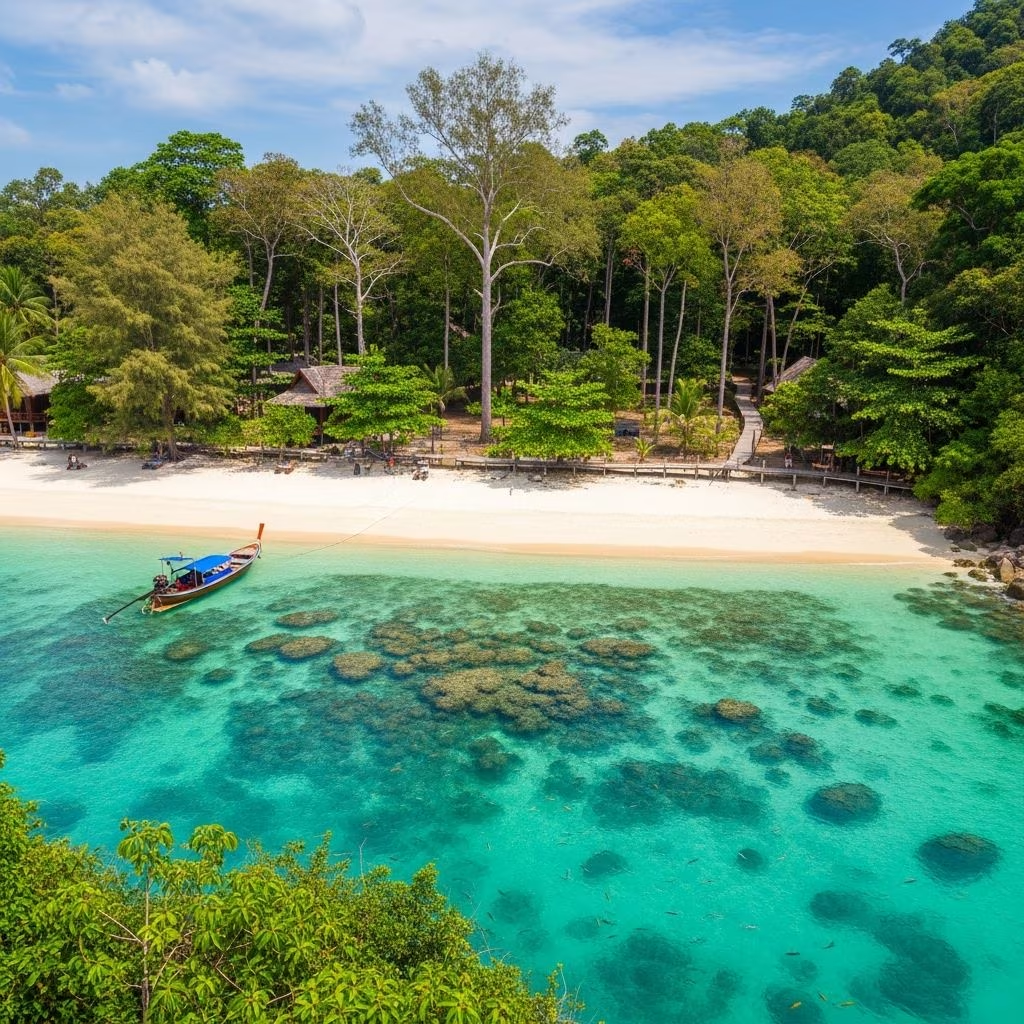 Travel Essentials
Thailand captivates millions with its stunning landscapes, vibrant culture, and welcoming spirit. However, surging tourism demands mindful choices to safeguard its treasures. Responsible travel emphasizes low-impact activities that empower communities, conserve wildlife, and nurture ecosystems. This guide highlights transformative experiences across Thailand, drawing from proven models of sustainability.
Ethical tourism counters overtourism’s downsides, like habitat loss and cultural dilution. By selecting certified eco-initiatives, travelers fund conservation and fair wages. Programs backed by organizations like Thailand’s Green Leaf Foundation ensure equitable benefits for locals. These escapes offer authentic connections, reducing reliance on crowded hotspots.
Thailand’s elephant sanctuaries have evolved from exploitative venues to havens of rehabilitation. Ethical sites rescue abused animals, providing veterinary care and natural habitats without rides or shows. Visitors contribute through feeding preparations and educational tours, learning about poaching and tourism’s dark side.
One standout is a Chiang Mai-based park that has sheltered over 100 elephants. Daily routines involve observing herd dynamics in spacious enclosures, fostering respect for these majestic creatures. Such facilities educate on the phajaan process—the cruel breaking of wild spirits for captivity—and advocate for policy changes.
Supporting true sanctuaries means no chains, hooks, or performances; animals roam freely in environments mimicking the wild.
Agricultural tourism reveals Thailand’s backbone: its fertile lands. Organic farms invite guests to pedal through verdant paddies, orchards, and fishponds, showcasing pesticide-free methods like vermicomposting and seed banking. These cooperatives in regions like Suphan Buri sell fresh produce and crafts, bolstering rural economies.
Near Bangkok, bee sanctuaries blend apiculture with multi-crop farming. Explore demonstration plots, taste pure honey, and join workshops on pollinator conservation. These 10-rai sites educate on agroforestry’s role in Thailand’s green shift, supporting smallholders against industrial agriculture.
| Experience | Location | Key Activities | Impact |
|---|---|---|---|
| Bee Sanctuary Visit | Samut Songkhram | Honey tasting, agroforestry tours | Boosts native pollinators, school programs |
| Organic Farm Cycling | Suphan Buri | Bike tours, composting demos | Supports chemical-free farming |
| Rice Paddy Homestay | Sukhothai | Plant dyeing, garden meals | Fair income for villagers |
Village homestays epitomize grassroots sustainability. In Sukhothai’s Ban Na Ton Chan, guests inhabit traditional wooden homes, savoring meals from on-site gardens. Activities like natural dye workshops preserve ancestral crafts while generating collective revenue managed by locals.
These models prevent urban migration by creating viable livelihoods. Guests gain insights into daily life, from rice harvesting to weaving, fostering mutual respect. Certified by eco-foundations, they exemplify how tourism can uplift without overwhelming host communities.
Thailand’s Andaman Coast hosts initiatives merging adventure with ocean stewardship. Snorkeling trips with local cooperatives monitor coral reefs, removing debris and planting seagrass. Wellness retreats incorporate spa therapies using sustainable, locally sourced ingredients, promoting biodiversity.
Community-based projects train fishers as guides, shifting from overfishing to eco-tours. These efforts, highlighted in TAT campaigns, spotlight rural revitalization through health, nature, and animal welfare focuses.
Even in the capital, responsible choices abound. Skip Chatuchak’s dubious wildlife trinkets—illegal souvenirs like turtle shells fuel poaching. Instead, patronize outlets like Eco Shop or Thailand Creative and Design Centre for Paper Wear crafts. These empower vulnerable mothers, enabling home-based work and child education.
ChildSafe-certified guesthouses train staff to spot trafficking, protecting minors from exploitation. Opt for The Code-signatory operators combating child sex tourism via awareness and policy.
Maximize impact with these strategies:
Thailand’s wellness scene integrates sustainability. Eco-spas use organic herbs from nearby farms, while yoga retreats in Chiang Mai fund reforestation. These escapes blend Thai massage traditions with mindfulness, set amid preserved landscapes.
Filmed campaigns showcase such integrations, from northern hills to southern shores, urging travelers toward meaningful, low-impact rejuvenation.
Despite progress, challenges persist: greenwashing misleads, and overtourism strains resources. Yet, platforms like Responsible Thailand curate verified options, aiding informed choices. Government partnerships amplify conservation, positioning Thailand as a sustainability leader.
Ethical sanctuaries ban riding, shows, and direct contact, focusing on rescue and observation in natural settings.
Stay in homestays, buy artisan goods from cooperatives, and dine at farm-to-table spots for direct contributions.
Yes—farm tours, bee workshops, and guided nature walks engage all ages while teaching sustainability.
Avoid peak seasons (Dec-Feb) for fewer crowds; shoulder months offer ideal weather and lower impact.
Research via credible sites; choose no-touch policies and support rescuers like Elephant Nature Park.
Thailand’s responsible gems transform vacations into legacies of positive change. From elephant observation to farm immersion, these experiences enrich souls while healing the land. Book mindfully, travel lightly, and leave Thailand thriving.
