

 Travel Essentials
 Travel Essentials

Learn how to trek responsibly in Nepal by minimizing waste, respecting nature, supporting locals, and following safety protocols for unforgettable, sustainable adventures.
 Travel Essentials
Nepal’s Himalayan trails offer breathtaking vistas and cultural immersion, but rising visitor numbers threaten these fragile ecosystems. Adopting sustainable practices ensures these wonders endure for future explorers while benefiting local economies.
Effective preparation sets the foundation for responsible hiking. Start by selecting less crowded routes like Mardi Himal or Kanchenjunga to distribute tourism benefits evenly and reduce pressure on popular areas such as Everest Base Camp or the Annapurna Circuit. Research permits through official sources like the Annapurna Conservation Area Project (ACAP), which enforces minimum impact codes combining environmental and cultural guidelines.
Opt for local operators who prioritize sustainability, providing proper gear for porters and guides. This supports communities and minimizes exploitation. Pack light with reusable items: a durable water bottle, solar charger, and biodegradable toiletries to cut down on single-use plastics. Train physically beforehand, focusing on cardio and strength to trek at a sustainable pace without overexertion.
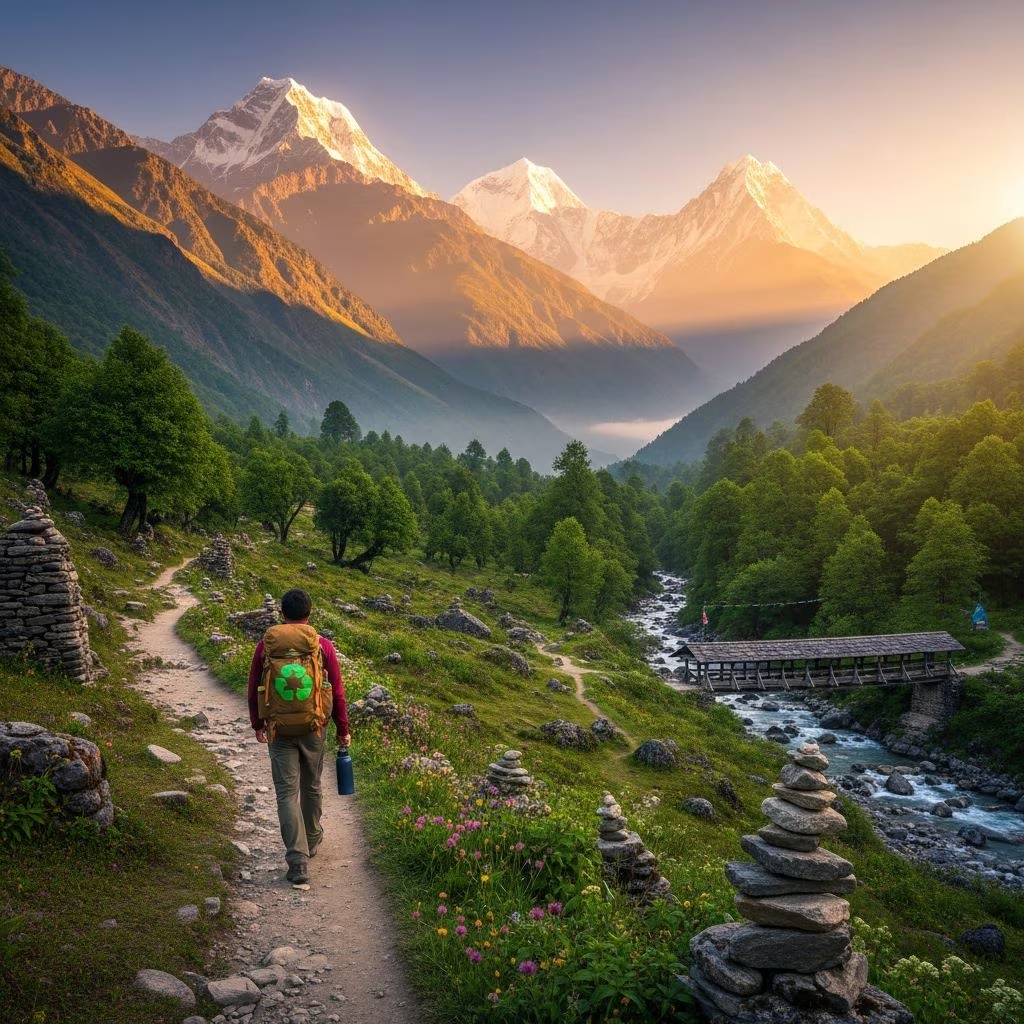
sticking to established paths prevents soil erosion and protects rare alpine flora. Trails are designed by locals and authorities for safety, avoiding unstable terrain or wildlife habitats. In muddy sections, walk single-file to preserve vegetation; shortcuts can widen paths irreversibly in these sensitive zones.
Observe wildlife from afar without feeding or disturbing them. Nepal’s mountains host endangered species integral to biodiversity—collecting plants disrupts this balance. If camping, choose durable surfaces like existing sites, avoiding meadows or streamsides to safeguard water sources and regrowth.
The mantra “pack it in, pack it out” is non-negotiable. Carry all trash, including wrappers and tissues, to designated disposal points at teahouses or trailheads. Plastic bottles plague trails; instead, refill from lodges with boiled water or use ACAP’s UV-treated stations on Annapurna routes for a small fee. Backup with purification tablets.
Personal hygiene matters: use toilets where available, burying waste 6-8 inches deep if not, at least 200 feet from water. Eco-soaps prevent river pollution.
Nepal’s routes weave through vibrant villages where traditions thrive. Greet with “Namaste,” dress modestly (covering shoulders and knees), and seek photo permission to honor privacy. Support teahouses by choosing family-run spots, spreading income beyond main hubs and aiding acclimatization.
Respect quiet hours, yield to uphill hikers, and avoid loud disruptions. Don’t give sweets or pens to children—it fosters begging over education. Shop locally for gear or souvenirs, boosting artisans. Learn basic Nepali phrases to build genuine connections.
Many hikes involve porters carrying 20-30kg loads. Ensure agencies provide insurance, fair wages (above minimum), weatherproof gear, and rest days. Check for the International Porter Protection Group (IPPG) endorsement. Treat them as team members: share meals, tip generously (10-15% of trek cost), and monitor loads for safety.
| Role | Responsibilities | Tips for Trekkers |
|---|---|---|
| Guide | Navigation, info, emergencies | Follow advice, tip 10-15% |
| Porter | Cargo transport | Check gear quality, no overloads |
| Cook | Meals in remote areas | Minimize waste in orders |
Prioritize fitness with pre-trek hikes and altitude training. Pack layers for variable weather, high-SPF sunscreen, lip balm, and insect repellent. Trek independently if experienced to control pace and choices, or join small groups for support. Hydrate frequently, recognize altitude sickness symptoms (headache, nausea), and descend if needed.
Carry a first-aid kit with blister treatments, painkillers, and anti-diarrheals. Use apps for offline maps but rely on guides for real-time intel. Insurance covering evacuation is crucial—helicopter rescues cost thousands.
Teahouse treks minimize camping waste, leveraging local facilities. Independent travel empowers choosing green lodges, while groups amplify impact unless vetted for ethics. Luxury camps can strain resources; balance comfort with conservation.
Off-season travel (pre-monsoon or post) eases overcrowding, though weather demands caution. Homestays immerse you culturally, funding families directly.
Beyond your trip, advocate by sharing experiences online, donating to groups like ACAP or KEEP (Kathmandu Environmental Education Project). Offset carbon via reforestation programs. Repeat visits to monitored routes reinforce sustainable models.
Leave No Trace (LNT) outlines seven principles: plan ahead, stick to trails, manage waste, minimize fires, respect wildlife, be considerate, and leave what you find. Adapted for Himalayas, it combats erosion and pollution.
Boiled lodge water or UV stations are safer and greener. Use drops if unsure—avoid plastic to prevent dumpsites.
10-20% of trek cost, split fairly. Ensure loads under 30kg and proper clothing.
Yes, on marked routes with permits. Guides recommended for remote areas or inexperience.
Reusable bottle, purifier, biodegradable wipes, quick-dry clothes, solar light, and trash bags.
