

 Travel Essentials
 Travel Essentials

Learn essential practices for ethical wildlife tourism, from avoiding exploitative activities to supporting conservation through responsible choices that benefit animals and locals.
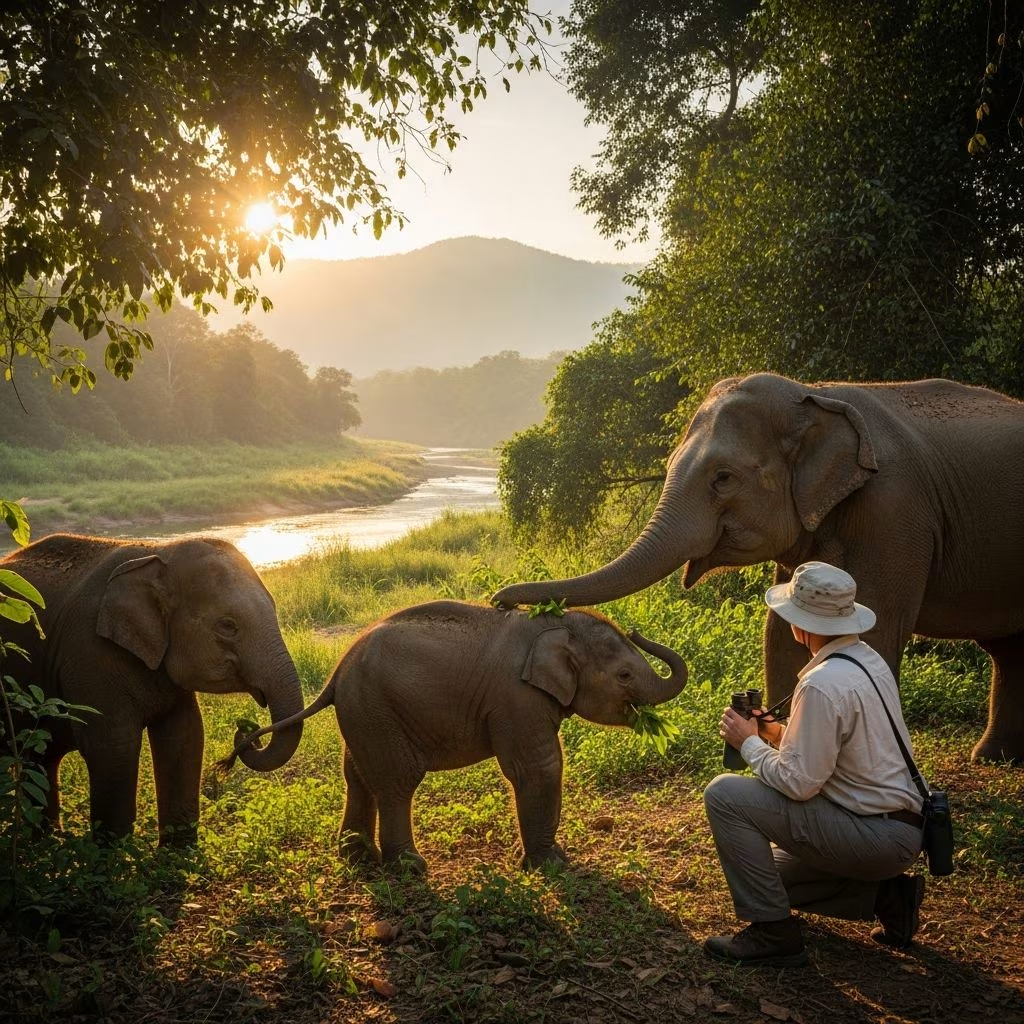 Travel Essentials
Wildlife tourism offers thrilling opportunities to observe nature’s wonders up close, but it comes with responsibilities. Travelers can contribute positively by choosing practices that safeguard animals, preserve ecosystems, and bolster local economies. This guide outlines key strategies for turning trips into conservation assets.
Tourism generates substantial revenue for conservation, far exceeding illegal wildlife trade values. Responsible choices channel funds toward protecting endangered species and habitats. However, poor practices like overvisitation disrupt behaviors and degrade environments.
Sustainable management ensures biodiversity thrives amid growing visitor numbers. Activities such as ethical safaris and birdwatching depend on healthy populations, making visitor conduct crucial.
Adopt these foundational rules to minimize harm:
These steps enhance experiences while protecting species integrity.
Direct contact activities often mask cruelty. Elephant rides involve harsh training methods, while captive dolphin swims occur in inadequate enclosures. Major platforms like TripAdvisor banned such sales since 2016 to highlight abuses.
Big cat petting and similar offerings typically exploit animals for profit, compromising welfare. Opt instead for observation-only encounters that allow natural behaviors.
| Exploitative Activity | Why Avoid | Ethical Alternative |
|---|---|---|
| Elephant rides | Traumatic training, physical harm | Observational walks in sanctuaries |
| Dolphin swims | Confined tanks, no conservation | Boat-based whale watching |
| Tiger petting | Bred for captivity, drugged | Wildlife photography tours |
Not all ‘sanctuaries’ prioritize welfare; many use the label for tourism gains. Ethical ones focus on rescue, rehabilitation, and release without hands-on interactions. Red flags include guaranteed sightings via baiting or breeding non-threatened species in captivity.
Research operators with sustainability commitments, community reinvestment, and conservation programs. Certified B Corps like certain tour companies exemplify this by banning rides and funding habitat projects. Check for affiliations with groups like WWF.
Ethical safaris reinvest profits into anti-poaching and land protection, benefiting locals and wildlife. Select operators practicing low-impact land use and avoiding entertainment-focused displays.
Kenya’s safari guides emphasize no disturbances via noise or lights, staying on roads. Patagonia tours tracking pumas maintain distances, guided by dive-like protocols. These ensure animals remain undisturbed.
Support creates jobs in conservation over exploitation. Tourism income funds protections and encourages governments to prioritize wildlife. Sharing positive experiences amplifies demand for ethical options, growing sustainable revenue streams.
Choose locally-owned ventures to empower communities, fostering long-term stewardship.
Before booking:
During trips, use quiet photography gear and follow guide instructions. Underwater, adhere to no-touch rules shared by instructors.
Initiatives like Wildlife Heritage Areas promote responsible models, gaining NGO backing. WTTC highlights tourism’s economic edge over illegal trade, aiding shifts to sustainable practices. Operators banning rides early set industry standards.
Generally 65 feet for large mammals, varying by region and species guidelines.
Look for no-touch policies, rescue focus, and verifiable conservation contributions.
Yes, it funds protections and provides economic alternatives to poaching.
No; vet for sustainable practices and community benefits.
Speak up politely, then report to conservation groups if needed.
By prioritizing welfare, travelers preserve destinations for future generations. Revenue supports species recovery, habitat restoration, and community resilience. Collective actions shift industries toward sustainability, proving tourism’s power as a conservation ally.
