

 Travel Essentials
 Travel Essentials

Explore Europe's leading rewilding initiatives that revive ecosystems, boost biodiversity, and benefit local economies through nature recovery efforts.
 Travel Essentials
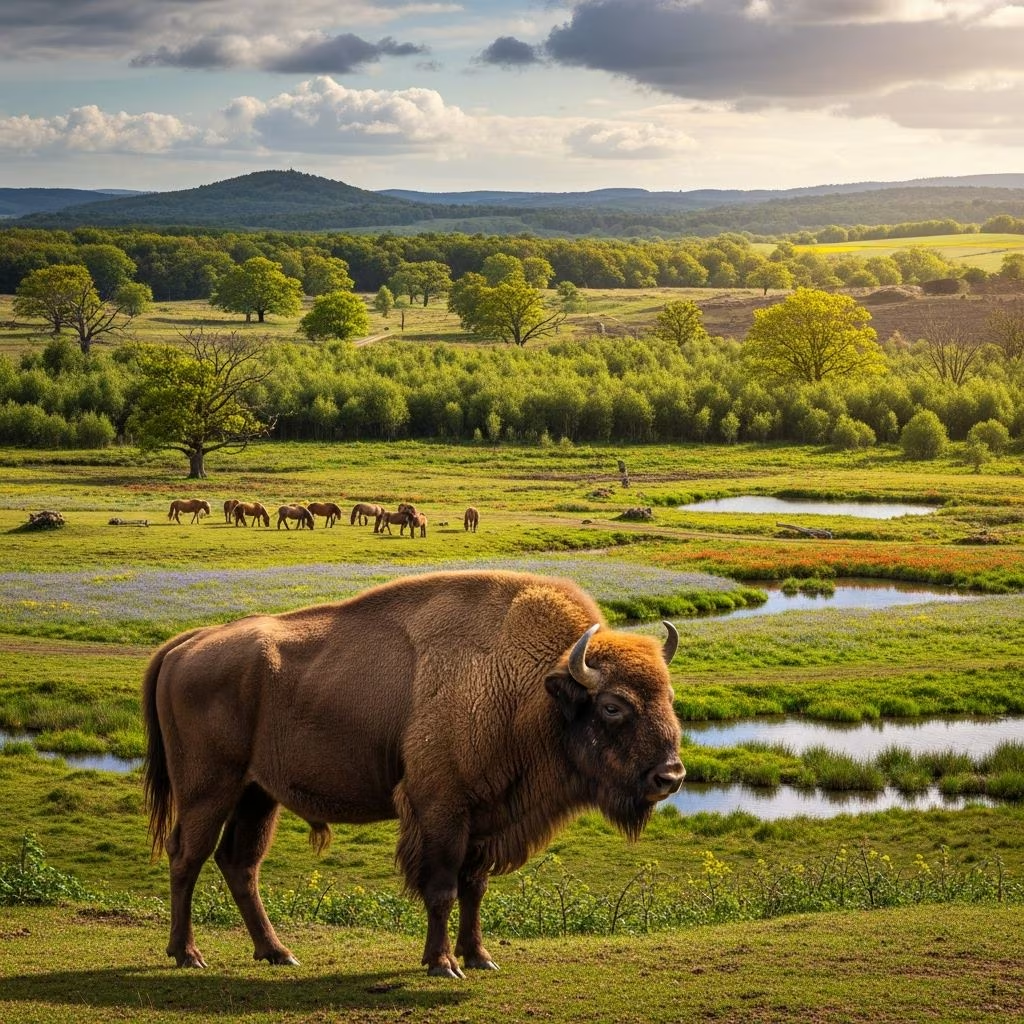
Across the continent, ambitious initiatives are breathing new life into degraded landscapes, fostering the return of iconic species and creating thriving ecosystems. These efforts, often led by organizations like Rewilding Europe, emphasize natural processes over intensive management, allowing nature to reclaim its role as the primary architect of recovery.
Rewilding represents a paradigm shift in environmental protection, prioritizing the restoration of ecological processes rather than isolated species management. By reintroducing keystone species such as herbivores and predators, projects enable self-sustaining ecosystems that enhance biodiversity and resilience against climate change. In 2024 and 2025, Rewilding Europe reported significant milestones, including wildlife releases across multiple sites and expansions of protected areas, demonstrating scalable impacts.
This approach draws from primary sources like Rewilding Europe’s annual highlights, which document tangible outcomes such as population recoveries and community benefits. Unlike traditional conservation, rewilding leverages natural regeneration, reducing long-term human intervention while yielding economic gains through eco-tourism and sustainable businesses.
Southern Europe’s diverse terrains host some of the most dynamic rewilding sites, where rugged mountains and valleys are evolving into wildlife havens.
These projects highlight how rewilding fosters connectivity, allowing species like bears, wolves, and vultures to thrive in interconnected habitats.
Northern regions are pioneering river restorations and coastal recoveries, addressing historical human alterations to waterways and shorelines.
| Project | Location | Key Achievements |
|---|---|---|
| Saksfjed Wilderness | Denmark | 800-hectare coastal rewilding with meadows, wetlands, and woodlands; new ERN member in 2024. |
| Stångån River Dam Removal | Sweden | Dam removals by Sportsfiskarna restore free-flowing rivers, enhancing fish migration. |
| Dogger Bank Initiative | North Sea | Coalition protects this ecological hub through restoration efforts. |
Funding mechanisms like Rewilding Europe Capital have disbursed loans to ventures such as Oyster Heaven, restoring native oyster reefs, and wildlife hides in Portugal, blending conservation with economic viability.
Mountainous and eastern areas showcase avian and mammalian comebacks, underscoring rewilding’s role in species recovery.
Wilder Parks, launched in 2025, supports protected areas with grants exceeding 7.5 million euros, securing over 8,000 hectares for rewilding.
Rewilding transcends ecology, delivering socioeconomic benefits. In Bulgaria’s Rhodopes, wildlife releases have spurred tourism, while Spain’s forest protections aid local communities. The European Rewilding Network expanded with nine members in 2024, fostering collaboration and funding for 16 releases involving 15 species.
Business loans have enabled ventures like river restorations and observation hides, creating jobs and alternative incomes. These outcomes align with official reports emphasizing people-nature synergies.
Despite progress, hurdles like land access and policy alignment persist. Initiatives counter these through partnerships and funds like the 800,000 euros disbursed in 2024. Looking ahead, expansions into France’s Arc-Châteauvillain reserve and Italy’s raptor centers signal momentum.
Projects such as South Cumbria’s pine marten recovery and Sicily’s agroforestry integrate citizen science and anti-wildfire measures, ensuring resilience.
Travelers can immerse in these landscapes via eco-tours, hides, and festivals. Key tips:
Rewilding restores natural processes and missing species to create self-sustaining ecosystems.
Spain, Portugal, Bulgaria, Denmark, and France feature prominent projects.
It generates tourism jobs, sustainable businesses, and resilient communities.
Yes, many offer public access, hides, and tours; check Rewilding Europe for details.
Bison, deer, horses, pelicans, vultures, oysters, and more.
