

 Travel Essentials
 Travel Essentials

Comprehensive travel guide to Rhodes featuring medieval architecture, ancient ruins, coastal attractions, local cuisine, and practical travel information for island visitors.
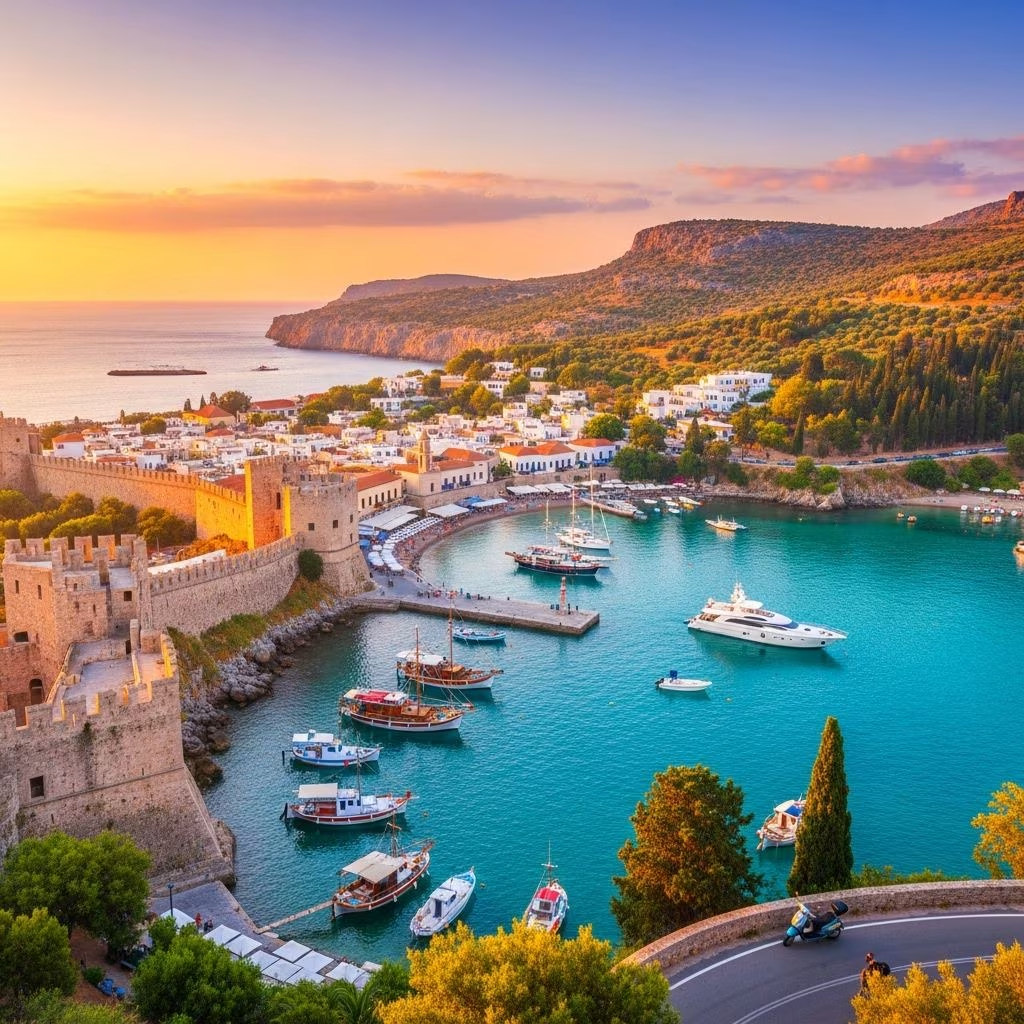 Travel Essentials
Rhodes stands as the largest island within Greece’s Dodecanese archipelago, offering travelers a remarkable blend of cultural heritage, natural beauty, and modern amenities. This island destination serves as an ideal entry point for those embarking on island-hopping expeditions throughout the eastern Mediterranean, regardless of your travel interests or preferences. From its celebrated medieval architecture to its sun-drenched beaches, Rhodes provides diverse experiences that appeal to history enthusiasts, beach lovers, and cultural explorers alike.
The island’s prominence in classical antiquity is undeniable, with historical records tracing its significance back thousands of years. Ancient texts, including Homer’s literary works, document Rhodes as an important Mediterranean center. The legendary Colossus of Rhodes, one of the Seven Wonders of the Ancient World, once dominated the Mandraki Harbour landscape. While the colossal statue no longer stands, two bronze deer statues—Elefos and Elafina—mark the traditional location where the monument’s feet are believed to have rested. This symbolic connection to antiquity permeates the island’s identity and continues to draw history-conscious travelers from around the globe.
The fortified medieval quarter represents one of Europe’s most remarkably preserved urban centers and holds designation as a UNESCO World Heritage Site. This enclosed city showcases extraordinary defensive architecture, featuring 2.5 miles of protective stone walls and an intricate street network that has remained largely unchanged since medieval times. The district’s labyrinthine layout creates an immersive environment where visitors can wander through centuries-old passageways lined with contemporary establishments alongside historical monuments.
Exploring these attractions requires comfortable footwear with reliable traction, as the historic streets feature uneven surfaces and slippery stones. Photography enthusiasts benefit from arriving early, as morning light provides optimal conditions and reduced tourist congestion allows for clearer image composition.
While Old Town commands significant attention, the surrounding regions offer equally compelling attractions and experiences. Modern Rhodes Town extends beyond the medieval fortifications, providing contemporary shopping venues, dining establishments, and waterfront entertainment. The New Town development reflects modern Greek urban planning while maintaining cultural authenticity through local businesses and family-operated enterprises.
Beyond the tourist-centric areas, residential neighborhoods reveal authentic island life. Specialized businesses like Savvas Sandals demonstrate multi-generational family enterprises dedicated to traditional craftsmanship. This leather sandal manufacturer operates across multiple locations, offering dozens of customizable styles for diverse customer preferences. Such establishments provide opportunities to purchase authentic local products while supporting community-based businesses rather than international retail chains.
The coastline adjacent to New Town features recreational areas and natural observation points. The Statue of Diagoras area includes a substantial pier extending into the sea toward Turkish waters, offering dramatic sunset vistas. The expansive Mediterranean horizon provides photographers and romantic travelers with unforgettable visual experiences during golden hour transitions.
The island’s considerable size accommodates multiple distinct destinations, each offering unique characteristics and experiences. Vehicle rental provides flexibility for independent exploration, allowing travelers to establish personalized itineraries aligned with specific interests.
Lindos represents one of Rhodes’ most visited destinations, combining architectural charm with historical significance. The town features whitewashed residential structures reminiscent of Cycladic island architecture, creating picturesque street scenes ideal for photography. The settlement maintains historical continuity documented in ancient literature, reflecting its enduring importance throughout Mediterranean civilizations.
The Lindos Acropolis dominates the hilltop landscape, featuring temple ruins and sprawling archaeological remains. Accessing the site requires ascending numerous stairs with sturdy handholds, making appropriate footwear essential. The acropolis remains operational from 8:00 AM through 8:00 PM, with evening visits particularly rewarding for photography and atmospheric appreciation. Strategic timing near closing hours ensures sunset illumination while minimizing daytime crowd encounters.
Beyond coastal areas, Rhodes’ interior showcases authentic village life and agricultural traditions. Vineyard regions produce local wines reflecting Mediterranean terroir characteristics. Remote settlements maintain traditional practices less visible in tourist-oriented areas, offering cultural immersion opportunities and culinary authenticity. Family-operated tavernas in villages like Vati serve traditional preparations including dolmades, fava, and pitaroudia featuring fresh local ingredients.
Scattered throughout the island, medieval fortifications including Kritinia Castle demonstrate architectural achievement amid dramatic coastal landscapes. These ruins provide historical context for understanding maritime commerce and territorial control during medieval Mediterranean periods. The structures often occupy elevated positions offering expansive sea vistas across multiple islands.
Rhodes’ extensive coastline provides diverse water-based activities and marine experiences. The Rhodes Marina area concentrates numerous boat operators offering varied excursion types, from intimate speed boat adventures to leisurely sailing expeditions. Full-day cruises typically include multiple swimming stops in sheltered bays, onboard meals featuring local specialties, and complimentary beverages.
Maritime exploration allows access to coastal features inaccessible by land, providing different perspectives on the island’s geography and beauty. Professional tour operators manage safety protocols and comfort provisions, allowing passengers to focus on relaxation and appreciation rather than technical navigation.
Rhodes’ gastronomic landscape reflects Mediterranean ingredients and Greek cooking traditions passed through generations. Local bakeries produce traditional items like baklava using wood-fired ovens and time-honored recipes. Seafood restaurants throughout Rhodes Town emphasize fresh catches prepared with minimal intervention, allowing ingredient quality to dominate culinary presentations.
Dining in less-trafficked squares and alleyways within Old Town often provides superior experiences compared to main commercial areas. Such locations maintain quieter atmospheres while serving comparable or superior cuisine at reasonable prices.
Multiple transportation methods connect Rhodes to other Mediterranean locations. Rhodes International Airport (Diagoras Airport) receives direct flights from numerous European cities, while connections through major Greek transportation hubs like Athens and Thessaloniki provide alternative routing. Ferry services from Piraeus, Athens’ primary port, require 12-15 hours of transit time. Additional ferry connections link Rhodes to other Dodecanese islands and Crete, with travel duration varying based on specific destinations.
Rhodes experiences Mediterranean climate patterns with mild winters and extended sunny periods lasting approximately nine months annually. Summer months attract peak tourist volumes, creating crowded conditions in popular areas. Shoulder seasons provide more comfortable weather than winter while maintaining reduced tourist congestion. Early morning visits to major attractions allow visitors to experience sites before crowds develop, particularly valuable for photography and contemplative exploration.
Lodging options range from budget hostels to luxury resort properties, accommodating diverse financial parameters and comfort preferences. Boutique hotels within Old Town provide authentic stays amid historic surroundings, though nightlife proximity may affect sleep patterns. Beach resort developments offer recreational amenities and family-friendly services.
A minimum three-to-four-day visit allows exploration of Old Town, at least one additional destination like Lindos, and coastal activities. History enthusiasts may benefit from extended stays to explore archaeological museums and rural villages thoroughly.
Late autumn through early spring experiences reduced tourist traffic, though some seasonal businesses may operate limited schedules. Summer months (July-August) see maximum visitor concentrations.
While public transportation exists, rental vehicles provide flexibility for accessing remote villages, inland vineyards, and less-trafficked coastal areas at your preferred pace.
The Roloi Clock Tower at sunset, Lindos Acropolis during golden hour, narrow Old Town alleyways in early morning light, and the Statue of Diagoras waterfront provide exceptional photographic opportunities.
Rhodes encapsulates Mediterranean travel appeal through its harmonious blend of historical preservation, natural beauty, cultural authenticity, and modern convenience. Whether seeking archaeological insights, beach relaxation, culinary exploration, or photography opportunities, the island accommodates diverse travel motivations and interests. The combination of accessible transportation, varied attractions, and welcoming local communities positions Rhodes as an accessible Mediterranean destination suitable for initial Mediterranean island exploration or subsequent visits.
