


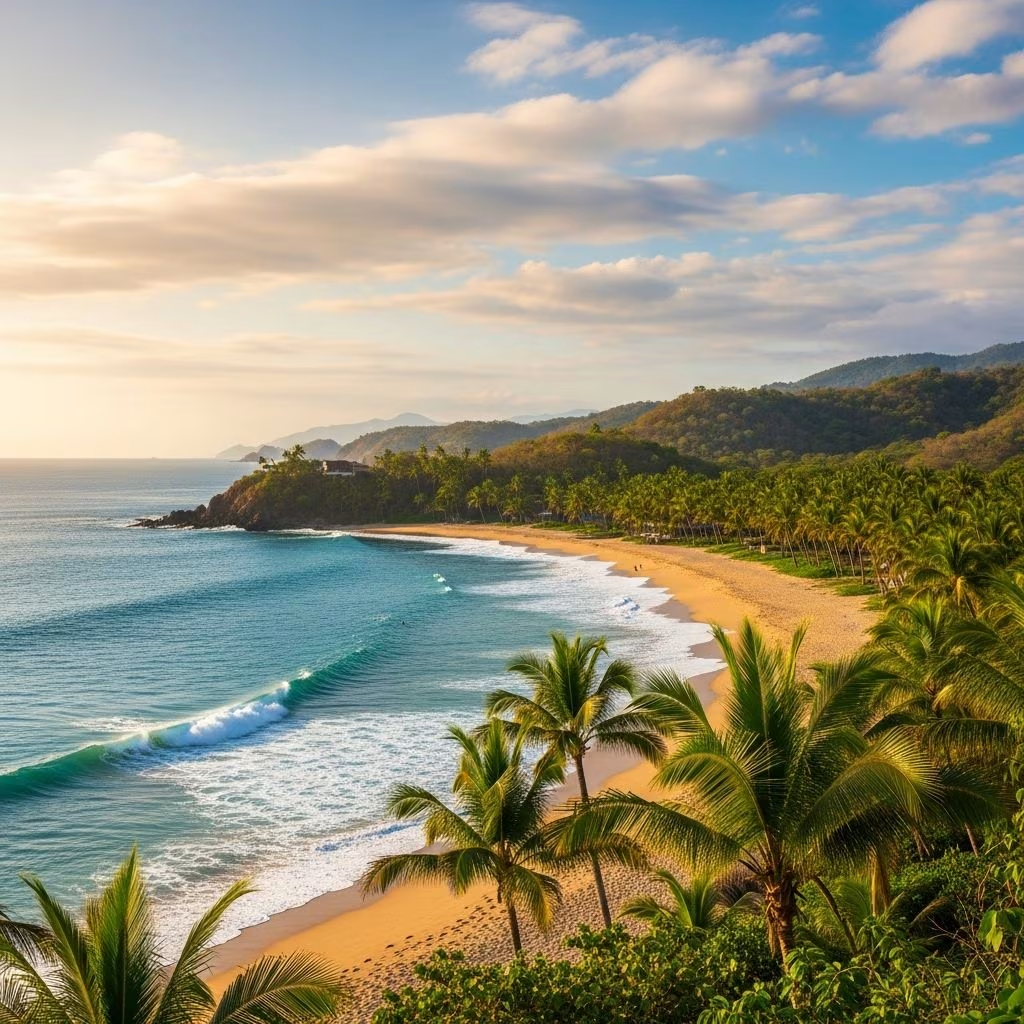
Stretching across 200 miles of Mexico’s Pacific coastline, Riviera Nayarit represents one of the country’s most dynamic and emerging travel destinations. This coastal expanse encompasses everything from bustling resort hubs to tranquil fishing villages, pristine beaches to lush jungle interiors, and cultural landmarks spanning thousands of years. Whether you’re seeking relaxation, adventure, cultural immersion, or world-class water sports, this Mexican jewel delivers experiences that cater to virtually every travel style and preference.
Understanding Riviera Nayarit’s Geographic Layout
The Riviera Nayarit coastline extends northward from San Blas, a historic port town steeped in colonial heritage, reaching southward toward the opening of Bahía de Banderas. This expansive coastal region comprises dozens of distinct communities, each offering unique characteristics and attractions. The southern section, anchored by Punta Mita and its surrounding luxury resort developments, caters primarily to high-end travelers and those seeking comprehensive resort amenities. Moving northward, the landscape transitions through charming beach towns and fishing villages where local culture remains prominent and development remains measured.
The region’s geography naturally divides into several distinct zones. The southern reaches around Punta Mita feature dramatic coastal headlands and coves ideal for both water activities and exclusive accommodations. The central zone encompasses the famous surf towns and bohemian communities that have drawn artists, entrepreneurs, and travelers seeking authentic Mexican coastal experiences. The northern territories offer increasingly untouched beaches and access to ecological sanctuaries where development remains minimal.
The Premier Beach Towns: Where Culture Meets Coastline
Sayulita stands as Riviera Nayarit’s most celebrated beach community, earning recognition as one of Mexico’s premier destinations for learning surfing. This charming fishing village has evolved into a vibrant hub while maintaining authentic character. Colorful papel picado decorations line the main streets, boutique shops showcase local artisans’ work, and an eclectic dining scene ranges from casual taco stands to upscale restaurants. The beach itself provides consistent, manageable waves ideal for beginners, supported by numerous professional surf schools and rental facilities.
San Pancho offers a more subdued alternative to Sayulita’s energy, providing the peaceful atmosphere and local authenticity that characterized Sayulita approximately 15 years ago. This laid-back community appeals to travelers prioritizing genuine cultural interaction and slower-paced experiences. Lo de Marcos similarly embodies this tranquil coastal aesthetic, preserving the serene environment increasingly difficult to find throughout the region.
Chacala warrants special mention for its historical significance and cultural richness. This modest fishing village hosts ancient petroglyphs dating back 4,000 years, evidence of indigenous populations that inhabited these coastal areas millennia ago. The town maintains a remarkably low-key atmosphere despite its archaeological importance, allowing visitors to experience local life largely unchanged by tourism.
Los Ayala appeals particularly to those seeking authentic local experiences. Colorful fishing boats dot the harbor, while vibrant streets filled with traditional taquerías provide sustenance and cultural immersion. The community remains largely undiscovered by international tourism, preserving a genuine Mexican character absent from more developed coastal regions.
Water Sports and Marine Adventures
Surfing Opportunities Across Skill Levels
Riviera Nayarit has established itself as Mexico’s premier surfing destination, with dozens of breaks catering to beginners through advanced practitioners. The region’s consistent Pacific swells, warm water temperatures, and diverse break types create ideal conditions for year-round surfing. Beginners should concentrate on Sayulita’s sheltered beach breaks, where mellow waves and abundant instruction make skill development accessible and enjoyable. The area’s northern reaches toward San Blas offer more challenging breaks suitable for experienced surfers seeking serious swells and less crowded lineups.
Punta Mita’s headland features La Lancha, a celebrated A-frame wave offering both left and right-hand breaks over pristine sand. This intermediate-friendly spot provides an excellent progression point for developing surfers ready to advance beyond beginner waves. The broader Punta Mita region hosts multiple breaks of varying difficulty, making it essential to research specific conditions and skill-level compatibility before paddle-out.
Island Exploration and Snorkeling
The Marietas Islands represent Riviera Nayarit’s most spectacular marine destination. Located 22 miles offshore from Puerto Vallarta, these UNESCO-listed islands now operate as a national park protecting their ecological significance and natural resources. The archipelago’s most famous feature, Playa del Amor (Hidden Beach), occupies a collapsed volcanic crater accessible only through a underwater rock tunnel.
Access to Playa del Amor has become regulated to preserve the delicate environment, with visitor numbers limited to 100 individuals at any given moment. This restriction necessitates advance booking through accredited tour operators. Visitors should arrive early in the morning to coordinate with tidal conditions and secure access through the tunnel passage requiring swimming ability. The maximum time permitted on the beach is 30 minutes, encouraging efficient enjoyment of this remarkable natural wonder.
Beyond beach access, the Marietas Islands offer world-class snorkeling opportunities. The waters surrounding the archipelago contain gnarled coral formations, kelp gardens, and frequent manta ray sightings. Professional tour operators provide equipment, instruction, and boat transportation, making this activity accessible regardless of previous snorkeling experience.
Cultural and Natural Heritage Sites
Riviera Nayarit’s interior regions contain significant cultural and natural attractions often overlooked by beach-focused visitors. These destinations provide valuable counterbalance to coastal experiences and deeper insight into the region’s pre-Hispanic heritage and contemporary culture.
Archaeological sites scattered throughout the region testify to the area’s indigenous history. Los Toriles Archaeological Site near Ixtlán del Río preserves remains spanning 8 centuries of indigenous occupation and development. The site’s relative obscurity means visitors typically enjoy uncrowded exploration of structures and artifacts representing important historical periods.
Jala represents an inland mountain community offering colonial architecture, local wine production, and authentic cultural experiences. As home to Nayarit’s only winery, this hillside town attracts visitors interested in regional viticulture alongside traditional colonial aesthetics. The cathedral exemplifies colonial religious architecture while the surrounding streets maintain period-appropriate character.
Natural attractions including waterfalls, hot springs, and jungle landscapes complement cultural sites. Cascada del Salto features a stunning waterfall accessible via hiking trails through emerald forest landscapes. These natural attractions provide refreshing alternatives to beach activities while showcasing the region’s diverse ecosystems beyond coastal environments.
Practical Considerations for First-Time Visitors
Best Times to Visit and Climate Factors
Riviera Nayarit experiences tropical climate conditions with warm temperatures year-round. The dry season from November through April offers ideal conditions with minimal rainfall and comfortable temperatures. This period attracts the highest visitor volumes and correspondingly elevated accommodation prices. The rainy season from May through October brings afternoon showers and occasional tropical storms, but these typically occur in predictable patterns allowing activity planning.
Rainy season travel offers advantages including reduced tourist crowds, lower accommodation rates, and lush green landscapes. Serious surfers often prefer summer months when consistent swells provide excellent conditions for advanced practitioners.
Transportation and Accessibility
Riviera Nayarit’s accessibility has improved substantially in recent years. Puerto Vallarta International Airport, located 30 kilometers south of the region, provides the primary gateway for international travelers. From the airport, travelers can reach various coast towns within 30 minutes to 2 hours depending on specific destinations.
Automobile rental provides the most flexible exploration method, with roads generally well-maintained and rental costs reasonable. Self-driving allows visitors to explore remote beaches, inland villages, and attractions at individual pace. Alternatively, organized tours and shuttle services operate from Puerto Vallarta for those preferring structured travel.
Accommodation Spectrum
Riviera Nayarit accommodations range from luxury all-inclusive resorts to boutique hotels, vacation rentals, and budget-conscious options. Southern regions around Punta Mita concentrate high-end resort properties offering comprehensive amenities and premium experiences. Central coastal towns provide mid-range hotels, guesthouses, and locally-owned establishments reflecting regional character and culture. Northern areas offer increasingly modest accommodations in family-run establishments and smaller properties.
The regional tourism strategy emphasizes sustainable development and locally-owned businesses over massive resort chains, creating distinctive accommodation experiences unavailable in more commercialized Mexican destinations.
Culinary Experiences and Gastronomic Adventures
Riviera Nayarit’s food culture reflects its coastal heritage, indigenous influences, and growing culinary sophistication. Fresh seafood featuring prominently in coastal restaurants ranges from casual beachfront ceviche stands to upscale establishments featuring innovative preparations. Traditional street tacos remain exceptionally popular and remarkably affordable, with numerous vendors offering exceptional quality throughout coastal towns.
Each community maintains distinct culinary characteristics reflecting local ingredients and cultural traditions. Sayulita’s restaurant scene spans casual surf shack fare to internationally-influenced dining, while smaller villages emphasize traditional Mexican preparations and family recipes passed through generations. Markets in towns like Bucerías showcase local produce, huichol handicrafts, and regional specialties providing insight into everyday community life.
Planning Your Ideal Itinerary
First-time visitors typically benefit from multi-day itineraries combining diverse experiences across different regions. A sample week-long journey might begin in Bucerías, exploring its cobblestone streets and artisan markets, before proceeding northward to Sayulita for surfing and cultural immersion. Subsequent days could include Marietas Islands exploration, San Blas colonial heritage discovery, and inland excursions to archaeological sites or mountain towns. Concluding the journey in a resort property allows recovery and final beach relaxation before departure.
Alternative itineraries emphasizing specific interests might focus exclusively on surfing at multiple breaks, concentrate on ecological and wildlife experiences, or prioritize cultural and archaeological exploration. The region’s size and diversity accommodate customized journeys reflecting individual preferences and available time.
Frequently Asked Questions
What is the ideal length for a Riviera Nayarit visit?
Most first-time visitors benefit from 5-7 days allowing time for beach relaxation, at least one major excursion (such as Marietas Islands), and exploration of multiple towns. Serious surfers often extend stays to 10-14 days maximizing exposure to various breaks across different locations.
Is Riviera Nayarit suitable for families with children?
Yes, the region accommodates families effectively. Calm beach areas suitable for young swimmers exist throughout the coast, numerous family-friendly resorts operate throughout the region, and activities range from gentle beach time to age-appropriate adventures. Parents should research specific town suitability and accommodation amenities matching family needs.
How challenging is the Marietas Islands hidden beach experience?
While accessible to most swimmers, the experience requires comfort in water and basic swimming ability. The underwater tunnel passage demands confidence and calmness in confined spaces. First-time visitors should honestly assess swimming abilities before booking tours and communicate any concerns with operators.
What is the estimated daily budget for independent travelers?
Budget travelers can comfortably experience Riviera Nayarit on $40-60 USD daily including modest accommodations, street food and casual meals, and local transportation. Mid-range travelers spending $100-150 USD daily access comfortable hotels and more upscale dining. Luxury travelers should budget $250+ USD daily for resort properties and premium experiences.
Conclusion: The Riviera Nayarit Experience
Riviera Nayarit offers compelling alternatives to more established Mexican resort destinations while providing authentic coastal experiences increasingly difficult to find across Latin America. The region’s emphasis on sustainable development, locally-owned businesses, and cultural preservation creates distinctive travel experiences reflecting genuine Mexican character alongside modern visitor amenities. Whether prioritizing water sports, cultural immersion, natural beauty, or simple coastal relaxation, Riviera Nayarit delivers memorable experiences accessible to travelers across all budgets and ability levels.
References
- A first-time guide to the Riviera Nayarit, Mexico — Lonely Planet. https://www.lonelyplanet.com/articles/first-time-guide-to-riviera-nayarit
- Riviera Nayarit Mexico – Tourism in Mexico — Riviera Nayarit Official Tourism Board. https://www.rivieranayarit.com
- Your Complete Riviera Nayarit Travel Guide 2025 — YouTube Travel Documentation. https://www.youtube.com/watch?v=3Nqvcy2kpBc
- What to consider when traveling to Riviera Nayarit — Iberostar Travel Guide. https://www.iberostar.com/en/inspiration-guide/holidays/what-to-consider-when-traveling-to-riviera-nayarit/
- Riviera Nayarit Travel Guide — Claire’s Itchy Feet. https://clairesitchyfeet.com/dest/north-america/mexico/nayarit-guide/

