

 Travel Essentials
 Travel Essentials

Discover comprehensive road trip safety measures including vehicle checks, emergency kits, smart driving habits, and planning tips to ensure secure journeys.
 Travel Essentials
Embarking on a road trip promises freedom and discovery, but prioritizing safety transforms potential risks into manageable aspects of the journey. Proper preparation minimizes hazards like mechanical failures, fatigue, or unexpected weather, allowing focus on the excitement ahead. This guide outlines critical steps for secure travel, drawing from established safety protocols to cover vehicle readiness, packing necessities, driving behaviors, and contingency strategies.
A thorough check of your automobile before departure is foundational to road trip safety. Neglecting maintenance can lead to breakdowns in remote areas where assistance is scarce. Begin with tires: verify pressure using a gauge, inspect tread depth, and ensure spares are inflated and accessible. According to the National Highway Traffic Safety Administration (NHTSA), proper tire maintenance reduces crash risks significantly.
Examine fluid levels including oil, coolant, brake, and transmission fluids, topping off as needed. Test battery health, as weak batteries fail under stress like high heat or extended idling. Lights play a crucial role—check headlights, taillights, brake lights, and turn signals for functionality, especially for night or adverse weather driving. Wiper blades and windshield washer fluid ensure clear visibility in rain or debris.
Brakes warrant special attention: listen for unusual noises and feel for responsiveness during a test drive. Suspension components, belts, and hoses should show no cracks or wear. Schedule professional servicing if any scheduled maintenance like oil changes or alignments is overdue. This systematic review, ideally done a week prior, prevents common roadside issues.
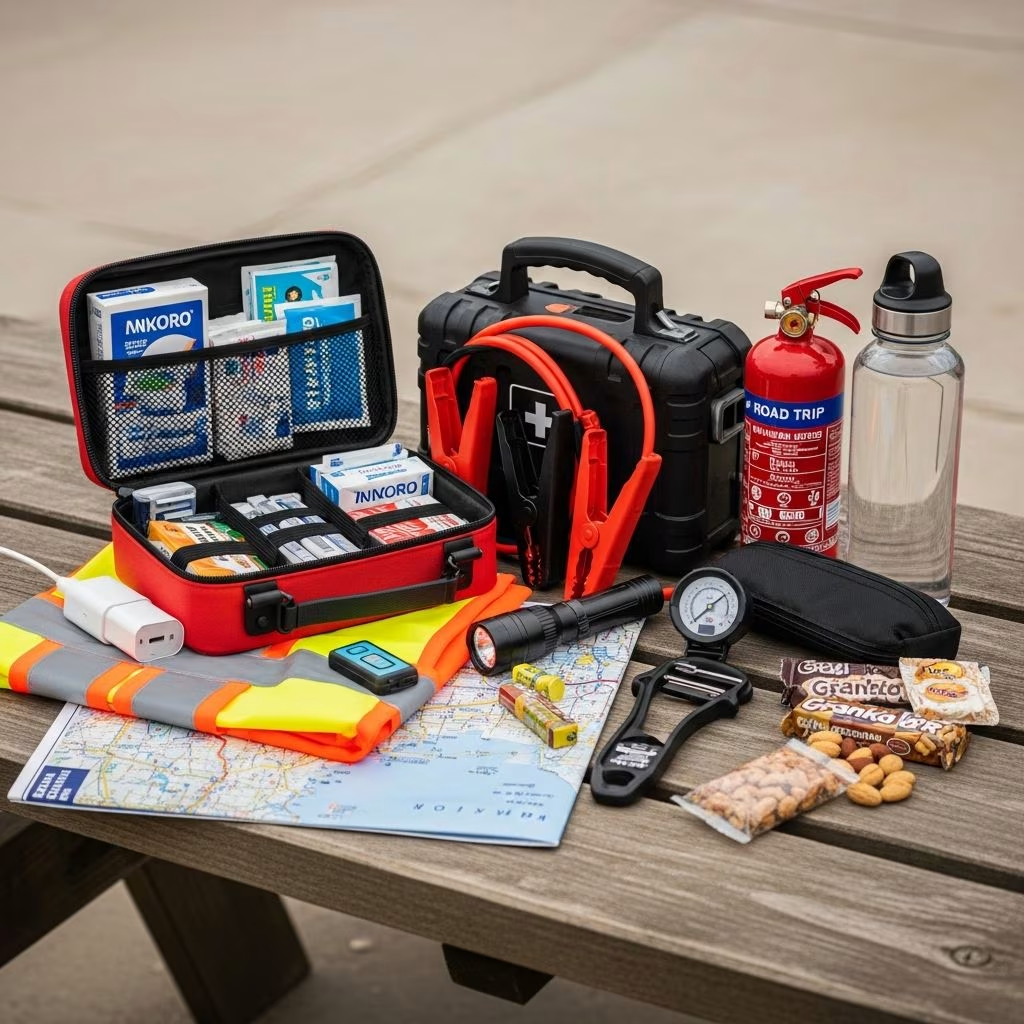
No road trip kit is complete without items for breakdowns, injuries, or stranding. The NHTSA recommends a comprehensive list to handle diverse scenarios. Core essentials include:
Pack these in a waterproof bag in the trunk for quick access. Comprehensive kits available commercially often bundle these for under $50, offering value in preparedness. Customize for trip specifics, such as extra water for deserts or chains for snowy regions.
Effective planning anticipates obstacles like traffic, closures, or weather. Use apps to map primary and alternate routes, factoring in rest stops every 100-200 miles. Check forecasts and road conditions via official sources; NHTSA advises allowing ample time without rushing.
Share your itinerary, expected arrival, and contacts with trusted individuals. Download offline maps as backups since signals falter in rural zones. Fuel planning is vital—keep tanks above half-full and note station gaps. Avoid peak hours by departing mid-week, reducing congestion exposure.
| Route Factor | Planning Tip | Benefit |
|---|---|---|
| Weather | Monitor apps daily | Avoids hydroplaning, reduced visibility |
| Traffic | Travel off-peak | Lowers fatigue, collision risk |
| Fuel Stops | Plan every 2 hours | Prevents stranding |
| Alternatives | Save 2-3 backups | Detours around hazards |
Maintaining vigilance counters road variables like impaired drivers or wildlife. Seat belts are non-negotiable: they halve fatality risks in crashes. Insist all passengers buckle up before moving.
Combat drowsiness with breaks every two hours—pull over, stretch, hydrate, and swap drivers if possible. Limit distractions: designate one navigator for GPS or apps while the driver focuses ahead. Maintain safe following distances, especially in rain or with trucks, signaling intentions clearly.
Scan mirrors every 5-8 seconds, yielding to emergency vehicles promptly. For motorcycles or pedestrians, increase caution as they demand shorter reaction times. Night driving heightens risks—use low beams appropriately and rest if fatigued.
Every occupant contributes to collective safety. Children under 13 ride rear-facing when possible; use age-appropriate seats or boosters. Never leave kids unattended in vehicles, particularly in heat where strokes occur rapidly.
Adults model behaviors: no phone use, secure loose items to prevent projectiles. Hydrate and snack healthily to sustain alertness. Discuss emergency roles, like who handles the kit during stops.
Trip conditions vary—prepare accordingly. For rain, slow speeds, increase following distance, and use defrosters. Snow demands chains, winter tires, and gentle acceleration. Heat stresses AC and batteries; shade the car when parked.
Remote areas require self-reliance: extra fuel cans, shade gear like hats, and sunblock. Always adapt speed to conditions, prioritizing control over schedule.
Long drives tax the body—counter with proactive measures. Sleep 7-8 hours pre-trip; caffeine aids short-term but not substitutes rest. Rotate drivers, stopping for walks to boost circulation.
Monitor for dehydration signs like headaches; keep water accessible. Healthy snacks over junk sustain energy without crashes.
Upon return, review the journey: note what worked, issues encountered. Service the vehicle immediately—change oil, rotate tires. This builds habits for future safety.
Every 2 hours or 100 miles to rest, refuel, and check the vehicle.
Pull safely aside, activate hazards, use flares, and call roadside assistance with your kit ready.
Avoid if possible; fatigue and visibility reduce safety. Use lights properly if necessary.
Yes, with tools for changing it—essential for self-reliance.
Stop immediately, nap 15-30 minutes, or switch drivers. No driving while impaired.
