

 Travel Essentials
 Travel Essentials

Comprehensive guide to exploring Rocky Mountain National Park's 415 square miles of alpine terrain, wildlife, and outdoor activities for first-time visitors.
 Travel Essentials
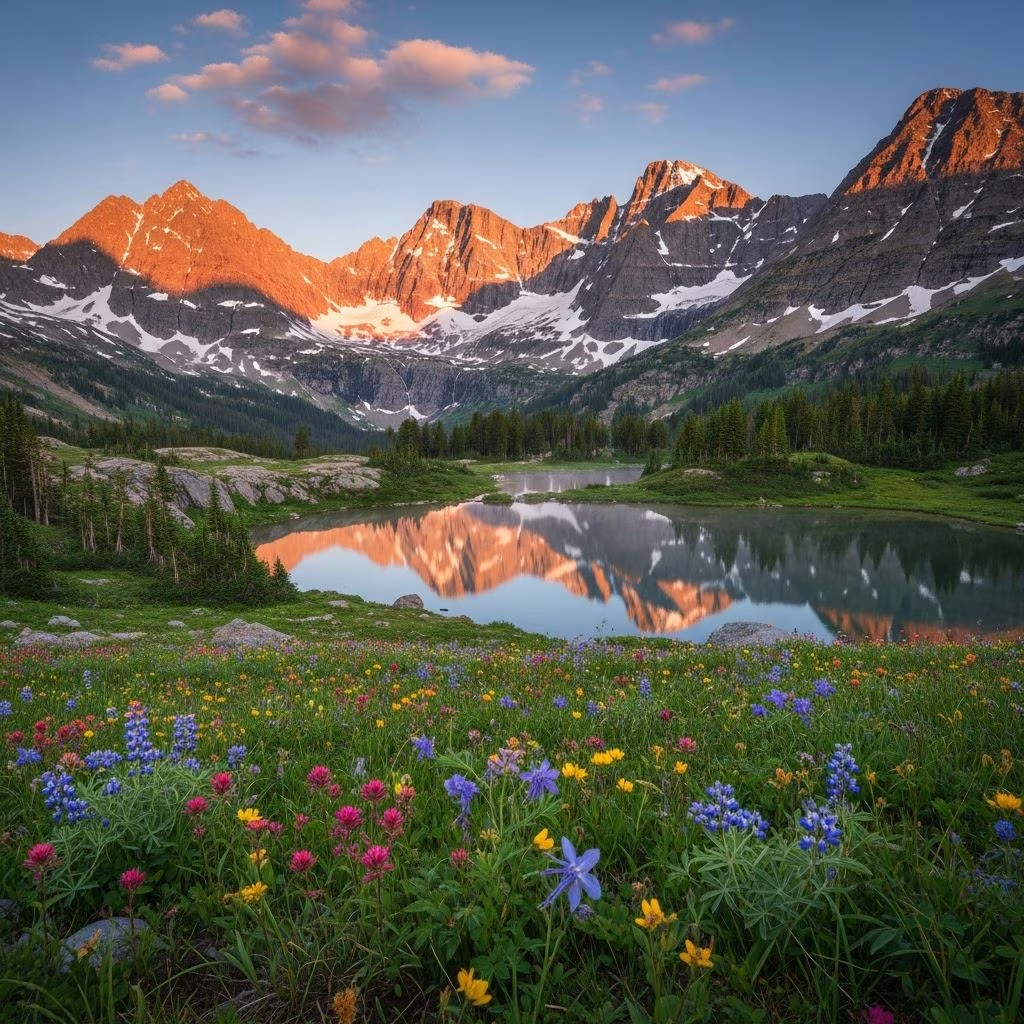
Standing at the intersection of rugged wilderness and accessible natural beauty, Rocky Mountain National Park represents one of North America’s most compelling destinations for outdoor enthusiasts. Spanning 415 square miles across the Colorado highlands, this protected landscape invites visitors to traverse elevations ranging from subalpine meadows to windswept alpine tundra, each zone revealing distinct ecosystems and breathtaking vistas. Whether you’re a seasoned mountaineer or embarking on your first serious wilderness adventure, the park accommodates all skill levels while maintaining its pristine character.
Rocky Mountain National Park encompasses 265,769 acres of extraordinarily diverse landscapes. Within these boundaries lie 150 alpine lakes, 450 miles of streams, and more than 100 peaks exceeding 11,000 feet in elevation. The park’s geography transitions dramatically from the eastern gateway communities through montane forests to the Continental Divide, then descends into the western slope terrain. This vertical diversity creates multiple microclimates and ecosystems that support an astounding array of flora and fauna.
The terrain invites exploration across over 300 miles of established hiking trails, complemented by 120 designated wilderness backcountry campsites. Trail configurations range from gentle lakeshore walks to challenging alpine summits, ensuring that visitors of every ability can find appropriate adventures. Elevation changes throughout the park influence weather patterns significantly, with higher elevations experiencing snow even during summer months and temperatures fluctuating dramatically between day and night.
Rocky Mountain National Park ranks among America’s premier destinations for observing wildlife in natural settings. The park’s ecosystem supports over a dozen large mammal species, including elk, moose, mule deer, bighorn sheep, black bears, bobcats, and coyotes. Avian enthusiasts also find abundant opportunities to observe eagles, hawks, and numerous smaller bird species. The presence of apex predators and herbivores creates a balanced ecosystem where visitors can witness genuine wilderness interactions.
Optimal wildlife viewing locations and strategies include:
Animals demonstrate heightened activity during dawn and dusk hours, when temperatures remain moderate and predators actively hunt. Winter months also present exceptional opportunities for wildlife observation, as animals congregate in lower-elevation valleys where snow cover proves less severe and food sources remain accessible.
Park regulations mandate maintaining specific distances from wildlife for both visitor and animal safety. Visitors must remain at least 75 feet from most large animals and substantially farther from bears and moose. These guidelines protect animals from human-caused stress while preventing dangerous encounters. Feeding wildlife of any kind remains strictly prohibited, as human-provided food disrupts natural feeding behaviors and creates unhealthy dependencies.
Rocky Mountain National Park experiences dramatically different conditions across seasons, with each period offering distinct advantages and challenges. Summer months (June through August) bring warm temperatures, accessible trails, and consistent weather patterns, making this the most popular visiting season. However, high elevation means that snow can occur even during summer months, and afternoons frequently bring thunderstorms that develop rapidly across alpine terrain.
Spring and fall offer moderate crowds, pleasant temperatures, and stunning visual transformations as vegetation responds to seasonal changes. Fall foliage, particularly the aspen groves transitioning to golden hues, attracts significant visitor traffic during September and October. Spring snowmelt creates dramatic waterfall displays that persist into early summer.
Winter presents a contrasting experience, with substantial snowfall closing higher elevation roads and trails while creating opportunities for winter sports and solitary backcountry experiences. Winter wildlife viewing actually improves during these months, as animals concentrate in lower valleys. Visitors must possess appropriate winter mountaineering skills and equipment to safely navigate winter conditions.
The park’s extensive trail network accommodates everyone from families seeking gentle nature walks to experienced mountaineers targeting technical alpine routes. Day hiking represents the most accessible way to experience the park’s landscapes, with trails varying dramatically in distance, elevation gain, and required fitness level.
Beginner-friendly trails typically feature relatively flat terrain along lake shores or through meadow systems, offering rewarding scenery without extreme exertion. Intermediate trails generally involve moderate elevation gains, forest walking, and views from lower-elevation overlooks. Advanced trails demand significant elevation gain, sustained effort, rocky terrain, and sometimes route-finding skills in less-developed areas.
Spring through fall represents ideal hiking seasons, when trail conditions permit comfortable walking and weather remains relatively predictable. Summer offers the most reliable conditions but attracts peak crowds. Weather changes rapidly at altitude, requiring visitors to begin hikes early, monitor developing conditions, and turn back when storms approach.
Backpacking represents an immersive way to experience Rocky Mountain’s wilderness character. With 350 miles of hiking trails and 120 wilderness campsites, the park accommodates everything from short overnight trips to extended multi-day expeditions. Backcountry campsites range in elevation and accessibility, with some located just one mile from trailheads and others positioned near alpine peaks.
Wilderness permits are mandatory for all overnight backcountry camping. Permits cost $36 per trip from May through October and $10 per trip during winter months, with fees covering administrative costs of managing the wilderness system. During peak season, permits are reserved through recreation.gov, with reservations opening March 1 and requiring at least three days advance booking. Walk-in permits remain available at visitor centers for those without advance reservations.
Key wilderness regulations include:
Backpackers should possess map and compass navigation skills, understand backcountry cooking and food storage, and be proficient in Leave No Trace ethics. The park’s wilderness office provides guidance on trip planning, route selection, and safety considerations. Contacting the Wilderness Office at 970-586-1242 helps visitors understand permit availability and receive personalized recommendations.
A defining characteristic of Rocky Mountain National Park involves the dramatic ecological transitions that occur across relatively short distances as elevation increases. Starting from the montane zone near park entrances, visitors encounter ponderosa pine forests and grassy meadows dominated by wildflowers and grazing ungulates. Mid-elevation forests feature spruce and fir species adapted to cooler temperatures and higher moisture.
Above tree line, typically around 11,000 feet, the landscape transforms into windswept alpine tundra characterized by low-growing vegetation, exposed rock, and stunning panoramic views. This fragile ecosystem remains extremely sensitive to human impact, with vegetation recovering only slowly from trampling or disturbance. Alpine tundra covers significant portions of Trail Ridge Road, which climbs to elevations exceeding 12,000 feet.
Each ecosystem supports specialized plant and animal communities adapted to specific temperature, precipitation, and soil conditions. Observing this vertical zonation over a single day’s hike provides insight into ecological principles usually studied across geographic regions separated by hundreds of miles.
Rocky Mountain National Park maintains two primary entrances: the east side near Estes Park and the west side near Grand Lake. Estes Park, located on U.S. Highway 36 approximately 90 minutes from Denver, offers extensive commercial services including lodging, restaurants, and equipment rentals. Grand Lake, situated on the western slope, provides a quieter alternative entry point with fewer crowding issues.
The iconic Trail Ridge Road connects the two gateway communities by traversing the park’s highest elevations. This scenic 25-mile drive reaches maximum elevation at Rock Cut (12,183 feet) and offers numerous pullouts with educational signage and photography opportunities. However, Trail Ridge Road typically remains closed from October through Memorial Day due to heavy snowfall.
Visitors should plan driving time to park entrances, acquire entrance passes (valid for seven days), and consider visiting less crowded areas or traveling during shoulder seasons to optimize their experience. The park does not provide equipment rentals, but rental shops in gateway towns offer everything from hiking boots to mountaineering gear.
Rocky Mountain National Park accommodates numerous recreational activities beyond hiking and backpacking. Fishing for native cutthroat trout and introduced brook trout draws anglers to alpine lakes and streams throughout the park. Fly-fishing opportunities exist along the Big Thompson River and various tributary streams, particularly in scenic canyons providing excellent photographic backdrops.
Water-based recreation includes kayaking and paddleboarding on selected lakes, though cold temperatures and altitude limit comfortable water sports seasons. The Cache la Poudre River, designated as America’s only National Wild and Scenic River entirely within Colorado, offers excellent rafting opportunities in adjacent forest areas. Rock climbing appeals to technical mountaineers on granite formations accessible from various trailheads.
Winter activities including snowshoeing, cross-country skiing, and backcountry skiing attract visitors seeking quiet wilderness experiences in snowy seasons. Vehicle-based scenic touring along accessible roads provides access to viewpoints for photographers and those seeking high-country vistas without strenuous hiking.
Successful Rocky Mountain National Park experiences begin with adequate preparation. Visitors should research trail conditions and closures before arrival, as weather events and maintenance periodically close routes. Purchasing detailed topographic maps from the Rocky Mountain Conservancy ensures navigation capability in areas lacking clear trail markers.
Altitude adjustment deserves serious consideration, particularly for visitors arriving from low elevations. Spending extra time at moderate elevations before attempting high-altitude hikes reduces risk of altitude sickness. Drinking adequate water and avoiding excessive exertion on arrival days helps visitors acclimate.
Weather preparation includes bringing layered clothing, as temperatures can fluctuate 30+ degrees Fahrenheit between morning and afternoon or between sun and shade at alpine elevations. Sunscreen and hat protection become critical factors at altitude where UV radiation intensity increases significantly.
Park regulations restrict camping to designated wilderness sites and developed campgrounds, with no backcountry dispersed camping permitted. Vehicle occupancy limits and parking restrictions at popular trailheads mean arriving early to secure parking or visiting during weekdays to avoid congestion.
Summer (June-August) offers the most reliable weather and accessible trails, though crowds peak during these months. Spring and fall provide excellent conditions with fewer visitors. Winter presents solitude but requires specialized skills and equipment.
No, day hiking does not require permits. Permits are mandatory only for overnight backcountry camping. Developed campground reservations are managed separately through recreation.gov.
Bears and moose represent the most dangerous wildlife. Maintaining proper distances (75+ feet from most animals, significantly farther from bears and moose) and making noise while hiking prevents most dangerous encounters.
Dogs are permitted only on certain designated trails and paved areas. Most backcountry trails and wilderness areas prohibit dogs to protect wildlife and minimize human-wildlife conflicts.
Cell service remains inconsistent and unavailable in many areas, particularly in backcountry regions. Visitors should not depend on cellular communication for emergencies in remote locations.
