

 Travel Essentials
 Travel Essentials

Explore Roma and Condesa neighborhoods in Mexico City featuring art deco architecture, world-class dining, vibrant galleries, and bohemian culture.
 Travel Essentials
Mexico City’s most coveted neighborhoods have emerged as the epicenter of contemporary culture, gastronomy, and artistic expression. Roma and Condesa represent more than just geographical areas within the sprawling metropolis—they embody the city’s creative renaissance and cosmopolitan evolution. These adjoining districts have transformed from post-earthquake decline into thriving hubs that attract travelers seeking authentic experiences, architectural splendor, and culinary innovation.
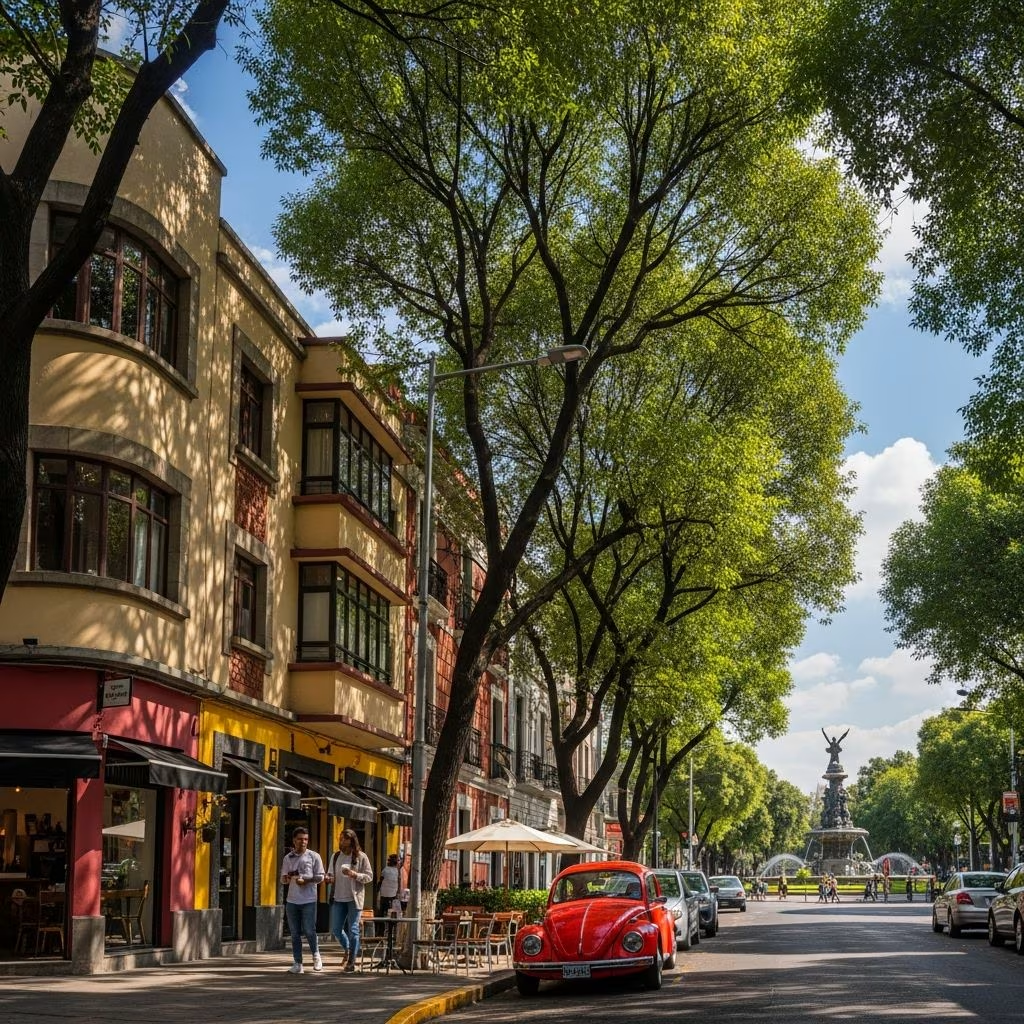
Understanding these neighborhoods requires examining their distinct origins and development trajectories. Roma emerged in the early twentieth century as an ambitious urban development project designed to serve Mexico’s growing professional class. The neighborhood’s planners envisioned a modern sanctuary featuring contemporary infrastructure—running water, advanced plumbing systems, and electric street lighting—combined with European-inspired aesthetic sensibilities. Grand boulevards modeled after Parisian avenues provided tree-lined pathways, while carefully designed public spaces offered residents gathering areas for community interaction.
The architectural character reflects Belle Époque and Art Nouveau influences, evident in the stone-brick mansions and apartment complexes that wealthy families and commercial enterprises constructed throughout the district. These structures showcase intentional design sophistication, with ornamental details and structural elements that demonstrate the ambitions of early twentieth-century Mexican society.
Condesa followed a different trajectory, officially established in 1927 following the Mexican Revolution’s tumultuous conclusion. This neighborhood’s defining visual characteristic emerged as Art Deco architecture, a style that permeates every aspect of the built environment. From residential townhouses to commercial facades, street furnishings to public roundabouts, Art Deco design principles created a cohesive aesthetic identity. The interplay between vibrant bougainvillea-draped walls and geometric architectural forms produces the neighborhood’s distinctive charm.
Both neighborhoods experienced significant disruption during the 1985 Mexico City earthquake. The natural disaster inflicted severe structural damage that prompted an exodus lasting approximately two decades. Many residents and businesses relocated to safer areas, leaving Roma and Condesa in a state of relative abandonment and deterioration.
The early 2000s marked a pivotal shift when young artists, creative professionals, and entrepreneurial individuals recognized the potential within these neglected spaces. This wave of rediscovery initiated gentrification processes that fundamentally reshaped both neighborhoods. Contemporary establishments replaced deteriorated structures, and strategic investments in renovation revived the architectural heritage. Today, the districts represent carefully curated environments showcasing contemporary creativity while honoring historical authenticity.
Visitors arriving at Mexico City’s Benito Juárez International Airport typically require 45 minutes to reach Roma or Condesa via ride-sharing services or traditional taxi transport. The central location of both neighborhoods provides relatively convenient access to many Mexico City attractions, though travel to peripheral zones like Polanco or Centro Histórico requires 35 minutes by taxi, with southern destinations such as Coyoacán demanding up to an hour.
Within the neighborhoods themselves, exploration becomes pleasantly manageable on foot. The compact layout and pedestrian-friendly infrastructure encourage wandering and spontaneous discovery. Mexico City’s public bicycle-sharing system, Ecobici, offers flexible access plans designed for visitors, enabling cyclists to traverse the neighborhoods while enjoying ambient street-level perspectives.
Public transportation alternatives exist through the metro system, with stations including Insurgentes, Chilpancingo, and Patriotismo providing connections to both districts. However, visitors should anticipate substantial crowding during peak commuting hours, as millions of residents depend on the underground rail network daily.
Roma and Condesa have established themselves as Mexico City’s gastronomic destination, offering experiences ranging from casual street-level dining to refined restaurant concepts. The neighborhoods showcase Mexico’s diverse culinary traditions while contemporary chefs experiment with fusion approaches and innovative techniques.
A significant beverage trend has gained momentum throughout both districts: wine bars featuring bistro-inspired menus. These establishments emphasize natural wine selections paired with shareable plates designed for social dining experiences. The casual atmosphere encourages lingering conversations while patrons discover lesser-known wine producers and experimental fermentation techniques.
Traditional Mexican dining remains integral to the neighborhood experience. Informal taco establishments operate alongside upscale restaurants, creating dining ecosystems where visitors can choose their preferred price point and formality level. The diversity ensures that travelers with varying budgets and culinary preferences find satisfying options within walking distance.
Mexico City’s contemporary art scene has historically flourished, with Roma and Condesa functioning as primary magnets for emerging and established artists. The neighborhoods host numerous galleries, exhibition spaces, and artist collectives that facilitate regular programming and cultural events. These venues range from commercial galleries representing established artists to non-profit spaces showcasing experimental work.
The concentration of artistic institutions creates an environment where cultural exploration becomes central to the visitor experience. Gallery openings, artist talks, and collaborative events occur regularly throughout the calendar year, providing opportunities for engagement with contemporary Mexican art production.
Beyond the neighborhoods themselves, proximity to significant historical sites enhances the visitor experience. Chapultepec Castle, reachable via brief taxi journey, serves as essential context for understanding Mexican national history. This historic palace contains collections and architectural elements that chronicle Mexico’s complex political and cultural evolution.
Within the neighborhoods, architectural appreciation requires minimal effort. Walking tours organized around specific design periods or architectural styles reveal the layered history embedded within building facades, interior spaces, and urban planning decisions. The visible presence of early twentieth-century design movements creates outdoor museums where aesthetic education occurs naturally.
Accommodation availability ranges across the full spectrum from budget-conscious to luxury-oriented properties. Small, locally-managed hostels serve travelers prioritizing affordability and social atmosphere, while boutique hotels and design-forward properties appeal to visitors seeking stylish comfort. Bed-and-breakfast establishments offer middle-ground options combining personal hospitality with reasonable pricing.
| Accommodation Type | Characteristics | Ideal For |
|---|---|---|
| Hostels | Budget-friendly, social atmosphere, locally-managed | Solo travelers, backpackers, budget-conscious visitors |
| Bed & Breakfast | Personal hospitality, authentic local experience | Couples, small groups seeking personal touch |
| Boutique Hotels | Stylish design, curated service, contemporary amenities | Design enthusiasts, those seeking character and comfort |
| Luxury Properties | High-end service, premium accommodations, exclusive experiences | Travelers seeking premium comfort and service |
Amsterdam Avenue epitomizes the neighborhood retail and social experience. This pedestrian-prioritized street features a median strip abundant with mature trees, creating shaded passages ideal for morning jogs or leisurely afternoon strolls. Boutique shops, vintage fashion retailers, independent bookstores, and antique vendors line the avenue, encouraging browsing and discovery. The concentration of specialty coffee establishments provides multiple opportunities for pause and refreshment.
Parque México represents the quintessential Condesa gathering space, transforming a former horse-racing venue into an urban park serving diverse recreational and social functions. The fountain area—La Fuente de los Cántaros—becomes a dynamic stage for unscripted daily dramas: morning yoga practitioners, afternoon dance lesson participants sheltered beneath ivy-covered structures, teenagers rollerblading across concrete plazas, and dog owners socializing while pets interact within designated areas.
This layered activity pattern reflects authentic neighborhood culture where various demographics coexist peacefully, engaging in parallel pursuits within shared space. Visitors gain insight into daily life patterns by observing these interactions, understanding how residents navigate their environment across different hours and seasons.
Both neighborhoods showcase design stores featuring artisanal crafts and locally-produced brands. These establishments reflect the creative communities that have established studios and production workshops throughout Roma and Condesa. Visitors encounter contemporary Mexican design, handcrafted goods, and limited-edition objects created by established and emerging makers.
The retail environment emphasizes quality over mass production, with shop owners typically possessing deep knowledge about featured creators and production processes. Shopping experiences become educational, with proprietors contextualizing objects within broader artistic and cultural narratives.
Planning visits during non-peak hours enhances enjoyment of public spaces, particularly popular parks and restaurants. Early morning hours provide tranquil experiences before commercial and recreational activity intensifies. Summer months attract larger visitor volumes, creating congestion in popular venues.
Weather considerations affect neighborhood exploration comfort. The subtropical highland climate produces moderate temperatures throughout the year, with rain concentrated in summer months. Comfortable walking shoes become essential given the pedestrian-oriented experience these neighborhoods encourage.
Language considerations affect visitor ease; English proficiency varies among service providers. Learning basic Spanish phrases enhances interactions, particularly in smaller establishments and neighborhood businesses.
Most visitors benefit from dedicating minimum two to three days to adequately experience Roma and Condesa. This duration permits neighborhood exploration, dining experiences, gallery visits, and park relaxation without excessive rushing.
Roma emphasizes Belle Époque and Art Nouveau architectural influences with grander residential structures, while Condesa showcases Art Deco design with more compact urban organization. Condesa projects a more relaxed, leafy character, whereas Roma presents denser commercial and dining activity.
Both neighborhoods are considered among Mexico City’s safer districts, particularly during daytime hours. Standard urban travel precautions apply, including avoiding ostentatious displays of valuables and maintaining awareness of surroundings during evening hours.
October through April offers optimal weather conditions with minimal rainfall and comfortable temperatures. Summer months feature occasional rain and larger visitor volumes.
Roma and Condesa represent Mexico City’s most compelling neighborhood combination, offering layered experiences spanning architectural heritage, contemporary art, culinary innovation, and authentic urban culture. These districts showcase Mexico’s creative energy while maintaining accessible hospitality for visitors seeking genuine engagement with city life. The neighborhoods’ pedestrian-friendly design, abundant cultural programming, and diverse dining ecosystem create conditions where travelers discover something meaningful during their Mexico City residence.
