

 Travel Essentials
 Travel Essentials

Comprehensive guide to exploring Rome's ancient history, world-class museums, charming neighborhoods, and local experiences for every traveler.
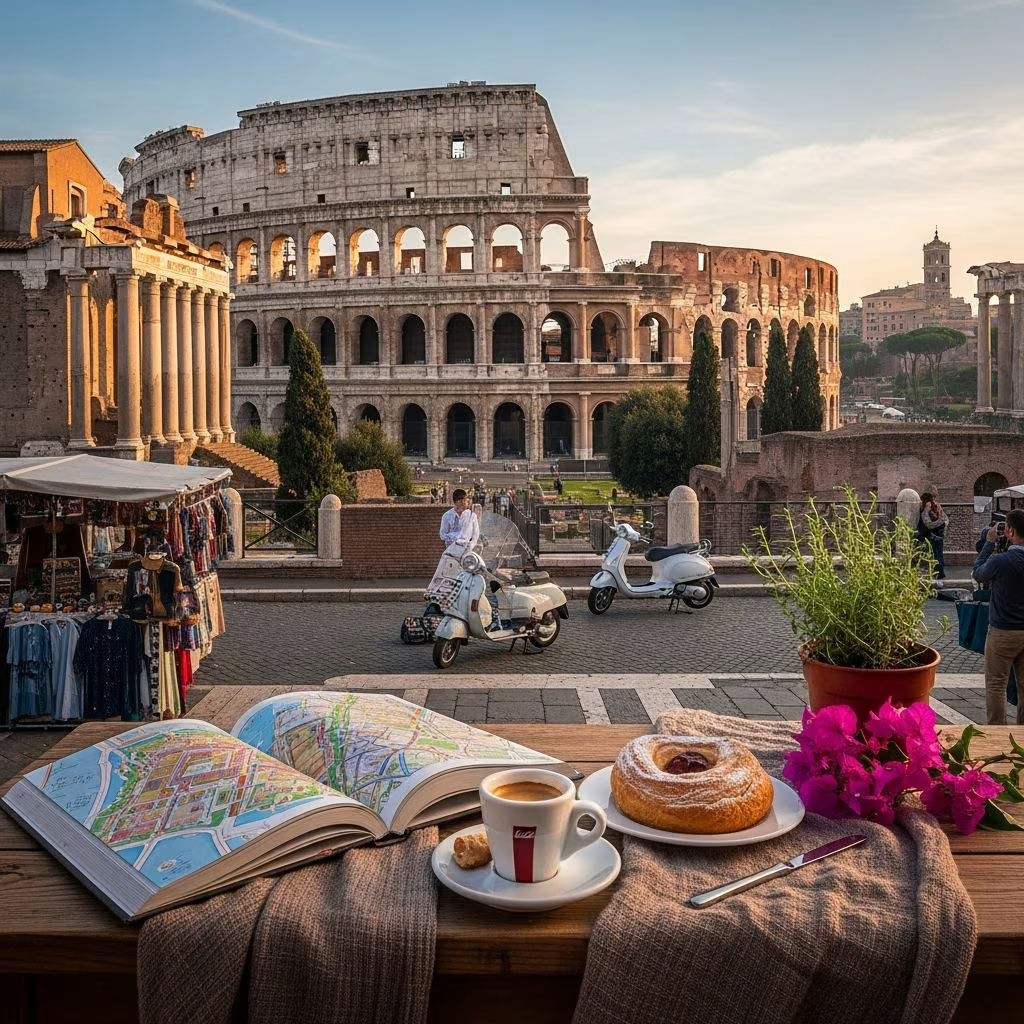 Travel Essentials
Rome stands as one of the world’s most historically significant and culturally vibrant cities, attracting millions of visitors annually who seek to experience its timeless beauty and profound historical legacy. Whether you’re a first-time visitor or a seasoned traveler, understanding how to navigate this magnificent capital requires knowledge of its diverse neighborhoods, iconic sites, and authentic experiences that extend beyond traditional tourism.
Rome’s development across centuries has created distinct geographical and cultural zones that each offer unique perspectives on the city. The historic center contains some of the world’s most recognizable monuments from the Roman Empire period, while surrounding neighborhoods showcase Renaissance, Baroque, and contemporary Italian life. The Tiber River divides the city into left and right banks, with the Vatican located on the right bank as an independent city-state within Rome’s boundaries.
The ancient heart of Rome encompasses the Colosseum area, where multiple historical periods intersect. This zone features not only the famous amphitheater but also nearby monuments that collectively tell the story of imperial Rome’s political, social, and entertainment systems.
Your accommodation location significantly influences your Rome experience. Different neighborhoods cater to various travel styles and preferences:
Roman cuisine reflects centuries of tradition and regional influences. Rather than relying solely on restaurant dining, exploring local markets provides authentic culinary experiences and cost-effective options for enjoying Roman food culture.
Mercato Trionfale stands as Rome’s largest covered market, housing 273 stalls near the Vatican Museum entrance. This marketplace showcases where Romans conduct their daily shopping, featuring premium meats, artisanal cheeses, fresh produce, seasonal fish, and specialty spices. Visitors can purchase ingredients for picnics or prepare meals in vacation apartments, combining cost savings with cultural immersion. Shopping at local markets rather than tourist-oriented restaurants offers genuine insight into Roman daily life and food traditions.
Beyond Mercato Trionfale, neighborhood markets throughout Rome provide similar experiences with varying specialties. These markets operate as social gathering spaces where locals interact, making them valuable for understanding contemporary Roman culture beyond historical monuments.
Rome’s archaeological heritage spans over two millennia, with major sites concentrated in the historic center:
The Colosseum and Adjacent Sites: Built during the 1st century CE, this amphitheater once accommodated 50,000 to 80,000 spectators for gladiatorial games and public spectacles. As the largest amphitheater of the Roman Empire, it represents extraordinary engineering and entertainment culture. Adjacent to the Colosseum, the Roman Forum functioned as the administrative and public center of the empire, where senate meetings occurred, public speeches were delivered, and commerce flourished. Palatine Hill rises above the Forum, once housing the residences of Roman aristocracy and emperors in lavish villas. A single ticket provides access to all three sites, allowing visitors to spend half a day exploring interconnected zones of imperial Rome.
The Pantheon: Originally constructed as a temple during the reign of Augustus, this architectural marvel represents one of the best-preserved buildings from ancient Rome. The iconic dome with its central oculus (opening) creates remarkable light effects, particularly at midday. Unlike many Roman ruins, the Pantheon remains structurally intact, allowing visitors to experience the interior space as Romans would have.
Rome’s transformation during the Renaissance and Baroque periods generated extraordinary collections of artwork displayed in world-class museums:
Vatican Museums and St. Peter’s Basilica: These institutions house one of humanity’s greatest art collections, featuring masterpieces spanning Egyptian antiquities through contemporary works. The Sistine Chapel ceiling represents one of the most iconic artistic achievements in Western civilization. St. Peter’s Basilica showcases Renaissance and Baroque architecture, combining the visions of numerous renowned architects.
Borghese Gallery: This museum contains exceptional works by Caravaggio, Bernini, and Raphael, displayed in intimate gallery settings. The collection emphasizes quality over quantity, creating personal engagement with each artwork. The gallery offers free entry on the first Sunday of each month, and operates closed on Mondays.
Capitoline Museums: Housing an exceptional sculpture collection, these museums occupy buildings on Capitoline Hill overlooking the Roman Forum. The collection provides comprehensive overview of Roman sculpture traditions and imperial portraiture.
Rome rewards extended walking exploration, with neighborhoods featuring hidden piazzas, fountains, churches, and quiet streets that rarely appear in guidebooks. Walking tours provide contextualized understanding of historical and cultural layers, with many options available ranging from 2 to 3 hours covering approximately 3 kilometers. Free walking tours introduce visitors to city layout and major landmarks while establishing relationships with local guides who provide insider perspectives.
Strategic walking routes can connect major attractions organically while passing through residential neighborhoods. This approach combines efficient sightseeing with authentic neighborhood experiences, revealing how Romans navigate their city beyond tourist zones.
Rome’s public transportation network includes metro, buses, and trams connecting major areas. The metro comprises three lines (A, B, and C) intersecting at various points. Many visitors find that central Rome’s attractions remain within walking distance, reducing transportation needs. Walking remains the primary exploration method for discovering neighborhoods and unexpected attractions.
Rome experiences significant seasonal variation in weather and tourist volumes. Spring and fall offer temperate weather with manageable crowds compared to summer months, when temperatures exceed comfort levels for extended sightseeing and tourism reaches peak intensity. Winter provides fewer visitors but cooler, occasionally rainy conditions. Understanding seasonal patterns helps determine optimal travel timing for your preferences regarding crowds, weather, and energy expenditure.
| Activity Type | Price Range (EUR) | Notes |
|---|---|---|
| Museum Admission | €11–€24 | Vary by site; free first Sundays at some museums |
| Walking Tours | Free–€20 | Free tours operate on tip basis |
| Transportation Pass | €7–€18 | Multi-day passes provide value |
| Market Meals | €8–€15 | Budget-friendly dining option |
| Restaurant Dining | €15–€50+ | Varies by location and quality |
Strategic planning enables budget-conscious travel without sacrificing quality experiences. Purchasing combination tickets for multiple sites, visiting museums on free admission days, shopping at local markets, and utilizing public transportation passes reduce overall costs significantly.
Spring (April-May) and fall (September-October) offer ideal weather conditions with moderate visitor numbers. Summer provides long daylight hours but excessive heat and crowding, while winter offers solitude but occasional rain.
Three to four days allows thorough exploration of major sites, neighborhood wandering, and dining experiences. Shorter visits require prioritization of key attractions, while extended stays enable deeper cultural engagement and day trips.
Advance booking significantly reduces wait times at major attractions, particularly during peak seasons. Many sites offer online booking with timed entry, essential for time-efficient sightseeing.
Yes, strategic planning including market shopping, free walking tours, and free museum admission days enables meaningful Rome experiences at modest budgets.
Monti, Testaccio, and Trastevere maintain stronger local character than the tourist-saturated Centro Storico, though these areas also attract increasing visitor numbers.
Successful Rome travel combines advance planning with flexibility for spontaneous exploration. Researching neighborhoods, understanding seasonal patterns, and identifying priority attractions ensures efficient use of time while remaining open to unexpected discoveries. Rome’s layered history rewards both structured sightseeing and unplanned wandering, creating experiences that resonate long after departure.
Whether focusing on ancient monuments, Renaissance masterpieces, local cuisine, or neighborhood character, Rome offers multifaceted experiences accommodating diverse travel styles and interests. The city’s enduring appeal stems from this richness—visitors can repeatedly return discovering new dimensions with each visit.
