

 Travel Essentials
 Travel Essentials

Complete family travel guide to Rome featuring attractions, dining, accommodation strategies, and multi-day itineraries designed for traveling with children of all ages.
 Travel Essentials
Rome, often referred to as the Eternal City, captivates millions of visitors annually with its remarkable history, stunning architecture, and vibrant culture. For families considering a journey to this Italian capital, the prospect of introducing children to such a historically rich destination can feel both exciting and overwhelming. The combination of ancient ruins, Renaissance art, world-class cuisine, and pedestrian-friendly streets makes Rome an exceptional choice for multi-generational travel. This comprehensive guide addresses the unique considerations families face when planning a Roman holiday and provides practical strategies to maximize enjoyment while minimizing stress.
Navigating Rome with children requires understanding the city’s structure and available transit systems. The Eternal City sprawls across seven hills on both banks of the Tiber River, with major attractions dispersed throughout various neighborhoods. Rome’s compact historic center is notably walkable, allowing families to explore on foot and discover charming piazzas, street performers, and local vendors along the way. However, walking with young children can become tiring, particularly during warm months when temperatures soar.
The Rome Metro system provides an efficient alternative for longer distances. Three metro lines connect major areas and popular attractions, with trains operating frequently and tickets available at affordable rates. Buses complement the metro network and often provide scenic routes through neighborhoods tourists might otherwise miss. For families with strollers or those preferring door-to-door service, taxis and ride-sharing applications offer convenience, though they may involve navigating Rome’s notoriously chaotic traffic.
Consider purchasing a Roma Pass, which grants unlimited public transportation access and discounted entry to select museums. This investment often pays dividends for families planning multiple museum visits across several days.
A well-organized itinerary balances must-see landmarks with downtime for meals, rest periods, and spontaneous exploration. Rather than attempting to see everything, families achieve greater satisfaction by prioritizing a few key attractions and allowing flexibility within each day.
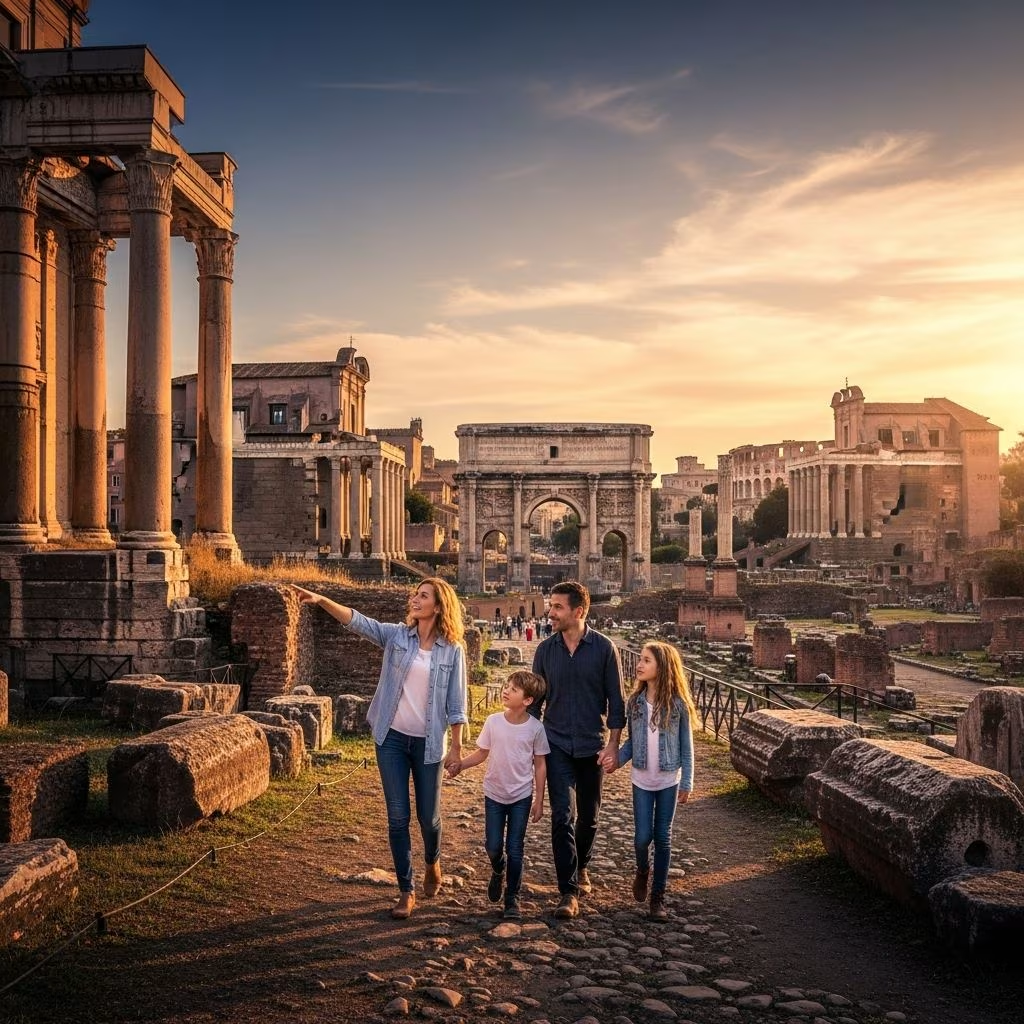
For families with limited time, a three-day framework emphasizes Rome’s most iconic sites while maintaining a manageable pace. The first day might focus on ancient Rome, beginning with the Colosseum—arguably the city’s most recognizable monument. Advanced ticket purchases eliminate lengthy queues, a crucial consideration when traveling with children. The same ticket grants access to the Roman Forum and Palatine Hill, allowing families to explore these interconnected archaeological zones over several hours. A nearby public playground provides an excellent location for children to expend energy afterward.
The second day traditionally addresses Vatican City and its treasures. Vatican Museums house masterpieces from across centuries, culminating in the Sistine Chapel with Michelangelo’s legendary ceiling. St. Peter’s Basilica, the world’s largest church, inspires awe in visitors of all ages. Families should book guided tours in advance to bypass crowds and gain educational context that enriches the experience.
The third day focuses on central Rome’s charming neighborhoods and iconic fountains. The Pantheon, one of antiquity’s best-preserved buildings, impresses with its massive dome and oculus. Nearby, the Trevi Fountain captivates visitors despite notorious overcrowding. Visiting early morning or late evening significantly improves the experience. Spanish Steps and Piazza Navona offer shopping, people-watching, and gelato sampling opportunities. The charming Trastevere neighborhood provides authentic Roman atmosphere with narrow streets, ivy-covered buildings, and local restaurants.
Families with additional time can incorporate secondary attractions and embrace a slower pace. These extended stays reduce daily pressure and allow for afternoon rest periods—critical for younger children’s well-being and family harmony. Additional visits might include the Borghese Gardens, Rome’s largest public park featuring walking paths, museums, and family-friendly green space. The Mouth of Truth, an ancient marble face said to bite the hands of liars, fascinates children and offers photo opportunities.
Extended itineraries also permit deeper neighborhood exploration. Beyond Trastevere, areas like Testaccio and Monti offer local character, independent shops, and restaurant scenes less geared toward tourists. These explorations create authentic travel memories and expose children to contemporary Italian life beyond major attractions.
Guided tours specifically designed for families transform sightseeing by providing entertainment alongside education. Several tour operators specialize in family experiences, employing guides skilled at engaging children’s curiosity and adjusting pace based on group needs.
Vespa sidecar tours present an unconventional way to see Rome while appealing to adventurous children. These 3-4 hour excursions navigate the city’s streets, reaching multiple neighborhoods while seated in comfortable sidecars. Professional guides point out historical landmarks and stories, and the novelty factor captures children’s imagination better than traditional walking tours.
Golf cart tours similarly offer comfortable alternatives to extensive walking. Families progress through main attractions—the Pantheon, Trevi Fountain, Spanish Steps, and Trastevere—while remaining seated and moving at conversational pace. These vehicles navigate streets inaccessible to standard tour buses, providing unique perspectives and reducing foot fatigue for tired children.
Rome offers unique interactive experiences beyond passive observation. Gladiator schools conduct workshops where children dress in costumes and learn combat techniques used in ancient arenas. Roman cooking classes introduce families to traditional ingredients and techniques while creating edible memories. Archaeological workshops allow older children to participate in hands-on learning about ancient civilizations.
Where families choose to stay significantly impacts their overall experience. Several neighborhood options each present distinct advantages and considerations for families.
Monteverde and Trastevere offer residential character with family-friendly environments, local restaurants, and reduced crowds compared to central tourist areas. These neighborhoods provide authentic Roman life exposure while maintaining reasonable proximity to major attractions. However, they require metro or bus transit for convenient access to distant sights.
Central neighborhoods near major attractions reduce travel time and walking distance to iconic sites. However, central locations typically feature higher prices, greater tourist density, and potential for excessive noise from evening crowds. Families prioritizing convenience and proximity to attractions accept these trade-offs; those seeking authenticity and respite from crowds opt for peripheral neighborhoods.
Hotels provide standardized services, often including concierge assistance, daily housekeeping, and front desk support at any hour—valuable resources when traveling with children requiring immediate assistance. Many hotels offer family rooms or connecting suites accommodating larger groups.
Apartment rentals provide kitchen facilities, additional space, and cost savings when cooking some meals. This option suits families with dietary restrictions or those preferring flexibility regarding meal timing. However, apartment stays sacrifice daily housekeeping and immediate support services.
Roman cuisine reflects Italian traditions while offering dishes appealing to young palates. Many restaurants accommodate families and children, though reservations ensure tables and smoother service during peak hours.
Pizza represents perhaps the most universally appreciated Roman food, available everywhere from casual pizzerias to upscale establishments. Roman pizza typically features thin, crispy crusts with simple toppings, though customization suits children’s preferences. Gelato, Italian ice cream available at numerous gelaterie, provides the perfect warm-weather treat. Unlike mass-produced ice cream, authentic gelato offers intense flavors in smaller portions, satisfying sweet teeth while controlling calorie intake.
Fried artichokes, a local Roman specialty, surprise many families with their crispy exterior and tender interior. This traditional street food appeals to adventurous eaters and omnivores alike. Carbonara, prepared with eggs, cheese, and guanciale, represents quintessential Roman pasta. While traditional preparation excludes cream and sometimes cream-based variations appear in tourist-oriented establishments, the dish remains beloved by locals and visitors.
Romans typically eat dinner late—9-10 p.m. remains common for evening meals. Families with young children accustomed to earlier dining may prefer lunch as their main meal, with lighter evening snacks. Many restaurants accommodate earlier diners, and casual pizzerias serve throughout afternoon hours, providing flexibility for families on non-traditional schedules.
Restaurants in immediate proximity to major attractions typically employ aggressive marketing and premium pricing; similar quality and authentic experiences exist blocks away at substantially lower costs. Families maximize value by venturing slightly beyond main tourist zones while maintaining convenient walkability to attractions.
Successfully navigating Rome with children requires attention to logistical details often overlooked during planning phases.
Rome attracts enormous crowds, particularly at famous fountains and ancient sites. Strategic timing dramatically improves experiences. Arriving at major attractions by 8-9 a.m. precedes peak crowds, with similar advantages available in late afternoon or evening hours. Conversely, midday hours (12-3 p.m.) concentrate crowds when temperatures peak—ideal timing for indoor museums or rest periods. Booking skip-the-line tickets for major attractions eliminates frustrating waits and preserves energy for actual sightseeing.
Rome presents mixed accessibility for families with strollers and young children. Many archaeological sites include uneven terrain, stairs, and limited shade—challenging conditions for toddlers and infants. The Colosseum has been adapted with family-friendly lifts and pushchair-accessible routes, serving as a positive example. Museums present varied accessibility; advanced research identifies child-friendly options with adequate facilities.
Hydration and sun protection require constant attention. Roman summers feature intense heat with limited shade in many outdoor areas. Planning frequent breaks at cafés, shaded plazas, and indoor attractions maintains children’s comfort. Carrying water bottles and reapplying sunscreen regularly prevents heat-related issues and protects delicate skin.
Italian culture values family-oriented atmospheres, and Romans generally tolerate children’s presence in restaurants and public spaces. However, certain expectations exist: particularly in churches and museums, behavior standards expect quiet conduct and respectful demeanor. Preparing children for these environments with age-appropriate explanations facilitates smoother experiences. Many attractions, including churches and museums, prohibit photography with flash or enforce silence in specific areas—clear communication prevents misunderstandings and disruptions.
Adequate preparation prevents numerous complications during family travel. Beyond standard luggage considerations, specific items enhance Roman experiences with children.
Comfortable walking shoes represent perhaps the single most important packing item. Children exposed to blisters and foot discomfort rapidly lose enthusiasm for sightseeing. Lightweight, breathable clothing suitable for warm weather maintains comfort during extensive outdoor exploration. A small backpack or crossbody bag carries necessities—water, snacks, sunscreen, first-aid items—without excessive burden.
Small coins facilitate interactions with fountains; the Trevi Fountain tradition of coin-throwing provides memorable experiences for children. Learning a few Italian phrases—particularly “per favore” (please) and “grazie” (thank you)—demonstrates respect and often elicits goodwill from locals.
Portable phone chargers prove invaluable for navigation via maps applications and photography documentation. A lightweight stroller or carrier for younger children reduces fatigue during extensive walking; many museums and attractions accommodate these items, though some archaeological sites restrict stroller access.
Late spring (May) and early fall (September-October) offer optimal conditions: comfortable temperatures, manageable crowds compared to peak summer months, and school breaks aligning with family travel schedules. Summer months feature intense heat and maximum crowding, while winter presents mild weather but unpredictable rainfall and reduced daylight hours.
Three days provides sufficient time for major attractions without excessive rushing. Families seeking more leisurely pace and secondary attractions benefit from 5-6 day stays. Beyond one week, Rome’s highlights become redundant, though extended stays support deeper cultural immersion and neighborhood exploration.
Many major attractions, including the Colosseum and Roman Forum, grant free entry to children under 18 accompanied by adults. However, physical tickets require collection at designated desks. Some museums offer reduced admission for children. Advance research and inquiries with specific venues clarify current policies.
Italian culture generally embraces dining families, and Rome’s restaurant scene accommodates families well. However, dining times differ from many English-speaking countries. Early seatings and casual pizzerias serve earlier hours than traditional dinner restaurants. Many establishments welcome high chairs and offer children’s portions or simplified menu options.
Metro stations present variable accessibility. Many older stations lack elevators, requiring stairs or escalators—challenging with strollers. Newer stations typically include elevators. Buses offer more straightforward stroller accommodation. Taxis provide convenient alternatives when stroller navigation becomes problematic.
