

 Travel Essentials
 Travel Essentials

Comprehensive guide to planning and driving Route 66, including itineraries, must-see attractions, travel tips, and detailed state-by-state information.
 Travel Essentials
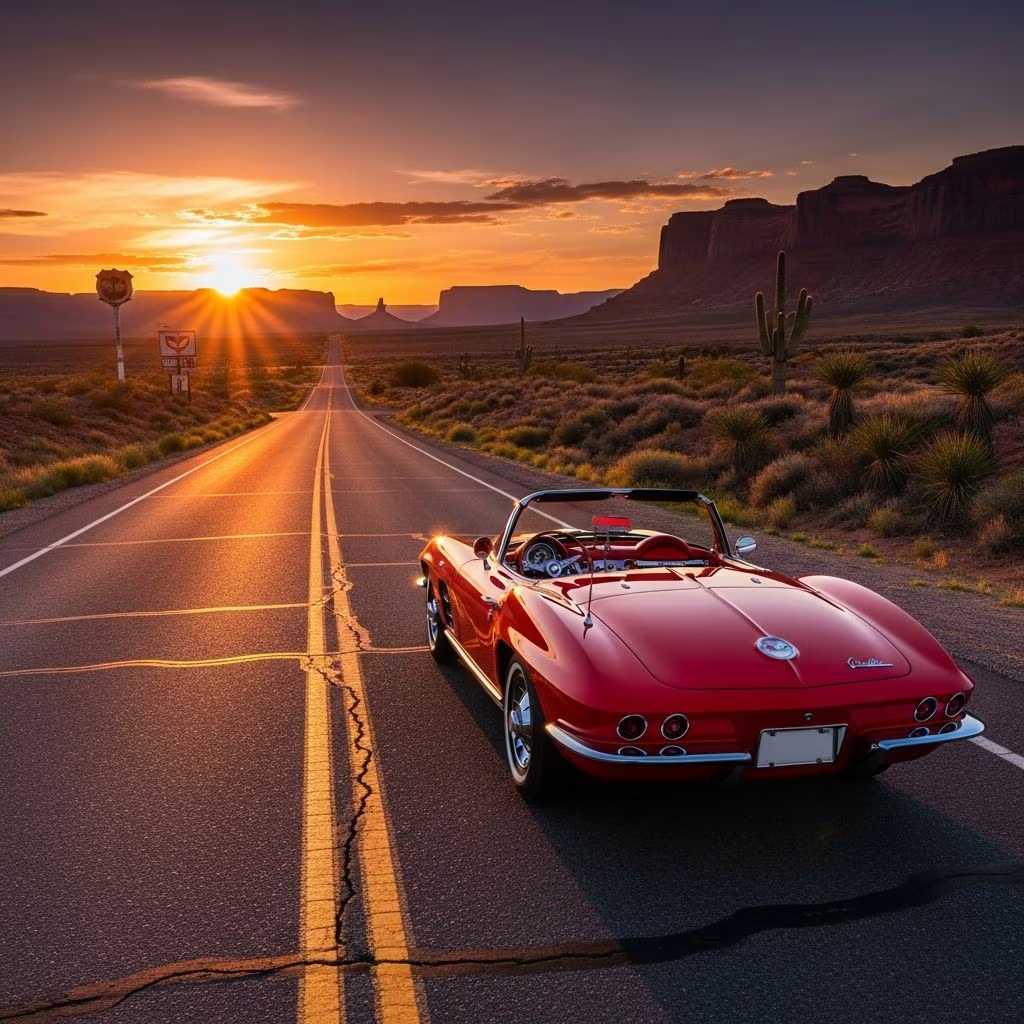
Route 66 represents more than just a stretch of asphalt connecting two coasts. This legendary highway embodies the spirit of American adventure, connecting Chicago’s urban landscape to California’s Pacific beaches through eight diverse states. Whether you’re a first-time traveler or a seasoned road-tripper, understanding how to navigate this 2,448-mile stretch of Americana requires planning, flexibility, and an appreciation for the unexpected treasures hidden along the way.
One of the first decisions when planning a Route 66 adventure involves determining how much time you can dedicate to the journey. The pace you choose dramatically affects which attractions you’ll experience and how deeply you’ll engage with each stop.
Most travel experts recommend a minimum of three weeks for a comprehensive Route 66 experience, particularly if you want to include worthwhile detours like the Grand Canyon or Las Vegas.
The timing of your journey significantly impacts road conditions, crowds, and your overall experience. The optimal window for Route 66 travel spans from May through October, when weather conditions remain favorable across all eight states. Summer months attract the highest concentrations of visitors, resulting in busier attractions and accommodations, but also ensuring that all seasonal businesses remain open.
Spring and fall offer more moderate crowds while maintaining pleasant driving conditions. Winter travel is possible but presents challenges in higher elevations, particularly through New Mexico and Arizona, where snow and cold temperatures can create hazardous driving conditions.
Your vehicle selection depends on comfort preferences, budget considerations, and mechanical reliability. Standard passenger cars handle modern highway segments adequately, but conditions vary across the route. Some original Route 66 alignments traverse unpaved roads or rough terrain, making vehicles with higher ground clearance preferable for adventurous travelers seeking authentic historic paths. Ensure your chosen vehicle receives a complete maintenance check before departure, as remote areas between major towns offer limited repair facilities.
Your Route 66 adventure begins at the official starting point across from Chicago’s Art Institute. Beyond this ceremonial beginning, Illinois offers several compelling stops worth incorporating into your opening days. Joliet provides access to the famous Gemini Giant, a vintage roadside attraction that epitomizes Route 66 quirk. Pontiac and Springfield showcase small-town America, while unique destinations like Henry’s Rabbit Ranch and the Pink Elephant Antique Mall demonstrate the eccentric personality that characterizes the Mother Road. The World’s Largest Catsup Bottle stands as a curious roadside marvel, and the historic Chain of Rocks Bridge represents engineering significance from the highway’s golden era.
Missouri claims significant Route 66 heritage with multiple major attractions. St. Louis’s Gateway Arch dominates the landscape and offers insights into westward expansion. The magnificent Meramec Caverns provide geological wonder and historical significance. Smaller communities like Cuba, Carthage, and Joplin contribute authentic Route 66 character. The Route 66 Drive-In Theatre preserves cinematic nostalgia, while establishments like Gary’s Gay Parita showcase the preservation efforts of enthusiasts dedicated to maintaining Route 66 culture. World’s Second Largest Rocking Chair adds to the collection of whimsical roadside attractions that make this stretch memorable.
Though Kansas represents the shortest segment of Route 66, it contains disproportionate charm and historical importance. Galena offers authentic small-town experiences, while Nelson’s Old Riverton Store connects visitors to early-20th-century commerce. The Rainbow Bridge and Cars on the Route attraction contribute to the visual and cultural landscape of this state.
Oklahoma contains more original Route 66 alignment mileage than any other state, spanning over 400 miles. This stretch deserves substantial time allocation. Tulsa’s Art Deco downtown and neon signage showcase historic architectural treasures. Ed Galloway’s Totem Pole Park represents outsider art at its most ambitious. The Blue Whale of Catoosa has achieved iconic status among Route 66 enthusiasts. The Golden Driller, Buck Atom’s Cosmic Curios, and Rock Cafe provide diverse attractions ranging from industrial sculpture to roadside dining institutions. Arcadia Round Barn represents agricultural heritage, while Pops 66 combines fuel, food, and entertainment in a modern interpretation of Route 66 hospitality. The Oklahoma Route 66 Museum offers comprehensive historical context that enhances appreciation for subsequent segments.
Texas presents vast distances with dramatic scenery. Shamrock’s U-Drop Cafe and Conoco Tower Station showcase Art Deco architectural preservation. The Devil’s Rope Museum documents barbed wire history in unexpected depth. Roadside attractions like the Leaning Tower of Texas, VW Slug Bug Ranch, and Big Texan Steak Ranch embrace quirky Texas personality. Cadillac Ranch near Amarillo has become an essential photo opportunity where visitors customarily leave paint-covered tags. The Route 66 Midpoint near Adrian marks the geographical halfway point of the entire journey. Vega’s Midpoint Cafe capitalizes on this distinction and provides appropriate celebration milestone.
New Mexico stretches across nearly 350 miles and encompasses extraordinary diversity. Tucumcari dazzles with preserved neon signage that glows with retro-futuristic appeal. The Blue Hole near Santa Rosa provides geological fascination and recreational opportunities. Santa Fe and Albuquerque represent larger cities with distinct cultural offerings. Smaller communities like Santa Rosa and Gallup maintain Route 66 character while serving as convenient stopping points. Natural landmarks like the Continental Divide emphasize the topographical drama of this region.
Arizona contains some of Route 66’s most memorable segments. The Petrified Forest National Park combines natural beauty with prehistoric history. Winslow’s downtown revival has restored Route 66 nostalgic charm. The Meteor Crater provides geological excitement. Flagstaff and Williams serve as substantial towns offering comprehensive services. Seligman, Peach Springs, and Oatman preserve authentic ghost-town character with wild burros roaming Oatman’s streets. The Hackberry General Store and Giganticus Headicus represent quirky roadside commercialism. Cool Springs and vintage motels like the Wigwam Motel showcase roadside hospitality preservation.
California’s segment completes your cross-country odyssey. Roy’s Motel & Café in Amboy represents classic mid-century roadside design. Santa Monica Pier marks the ceremonial endpoint, where the official Route 66 terminus sign awaits your photograph. The pier’s historic merry-go-round, Pacific Park entertainment options, and numerous dining establishments provide appropriate celebration of your completion.
Successful Route 66 travel requires balancing driving time with exploration opportunities. Most experienced travelers recommend averaging 2-4 hours of driving daily, allowing multiple stops at attractions, small towns, and scenic viewpoints. This pace maintains driver freshness while providing genuine engagement with destinations rather than merely passing through.
Build flexibility into your schedule. Many Route 66 businesses operate limited hours and may close on certain weekdays. Research opening times for prioritized attractions before arrival and adjust your route accordingly. Weather conditions, unexpected road closures, or simply discovering unmarked attractions worth exploring might necessitate schedule adjustments—embrace these diversions as part of the Route 66 experience.
Route 66 has undergone multiple “alignments” since its establishment, with sections upgraded, rerouted, or abandoned entirely. Modern GPS and highway systems follow current alignments, which diverge significantly from historic paths. Dedicated Route 66 maps and specialized applications help drivers navigate both current highway routes and preserved historic alignments. Some original segments traverse unpaved roads, providing authentic experiences for adventurous travelers willing to navigate rougher terrain.
Digital navigation tools designed specifically for Route 66 travel prove invaluable for identifying the specific roads that composed various historic iterations. These resources help you make informed decisions about authentic versus convenient routing.
Route 66 accommodations range from preserved vintage motels—many featuring mid-century design and historic significance—to contemporary hotel chains. Unique motels along the route offer character and connection to the highway’s nostalgic appeal, though amenities may be more basic than modern alternatives. Chain hotels provide reliability and consistent comfort. Book accommodations well in advance during peak season, as popular stops fill quickly.
Route 66 dining experiences span from classic diners serving traditional comfort food to contemporary restaurants reflecting regional cuisines. Establishments like Rock Cafe, Pops 66, and numerous family-run establishments preserve authentic roadside dining culture. These venues often feature local ingredients, regional specialties, and atmospheres that emphasize Route 66 heritage.
Multiple Route 66 museums throughout the eight states provide valuable historical context. The Oklahoma Route 66 Museum stands out for comprehensive exhibits and interactive displays. State-specific museums in Illinois, Missouri, Texas, New Mexico, and Arizona offer regional perspectives on the highway’s impact. Specialized museums like the Devil’s Rope Museum document specific aspects of the highway’s cultural landscape.
Route 66 offers exceptional photography opportunities at well-known landmarks like Cadillac Ranch, the Blue Whale of Catoosa, and Tucumcari’s neon signs. Lesser-known locations—abandoned motor courts, weathered vintage signs, and small-town main streets—provide equally compelling imagery. Time your photography sessions to capture ideal lighting, particularly during golden hour to enhance the nostalgic quality of roadside attractions.
Route 66 travel costs vary based on accommodation choices, dining preferences, and attraction admission fees. Budget accommodations and casual dining minimize expenses, while vintage motel stays and restaurant dining increase costs. Most attractions charge minimal or no admission fees, though some museums and specialized sites require modest payments. Factor fuel costs based on your vehicle’s efficiency and current fuel prices.
Late May through September offers optimal weather conditions, though spring and fall provide pleasant conditions with fewer crowds. Winter travel is possible but presents challenges in higher elevations.
While technically possible at an accelerated pace, one week provides limited time for meaningful exploration. Most travel experts recommend minimum three weeks for comprehensive experience.
Standard passenger cars handle modern highway segments. Vehicles with higher ground clearance better accommodate historic alignments and unpaved sections.
Yes, though availability varies seasonally. Book in advance during peak months. Mix vintage motels with chain hotels based on preference.
Limited services in remote areas, variable attraction hours, weather variations across different elevations, and route confusion due to multiple historic alignments require planning and flexibility.
