


 Food & Culture
Food & Culture
Russian Food Guide: Iconic Dishes, Regional Flavors & Traditions
Discover Russia's diverse cuisine from buckwheat porridges in the west to crab feasts in the east, exploring must-try dishes, dining spots, and cultural eating habits.
 Food & Culture
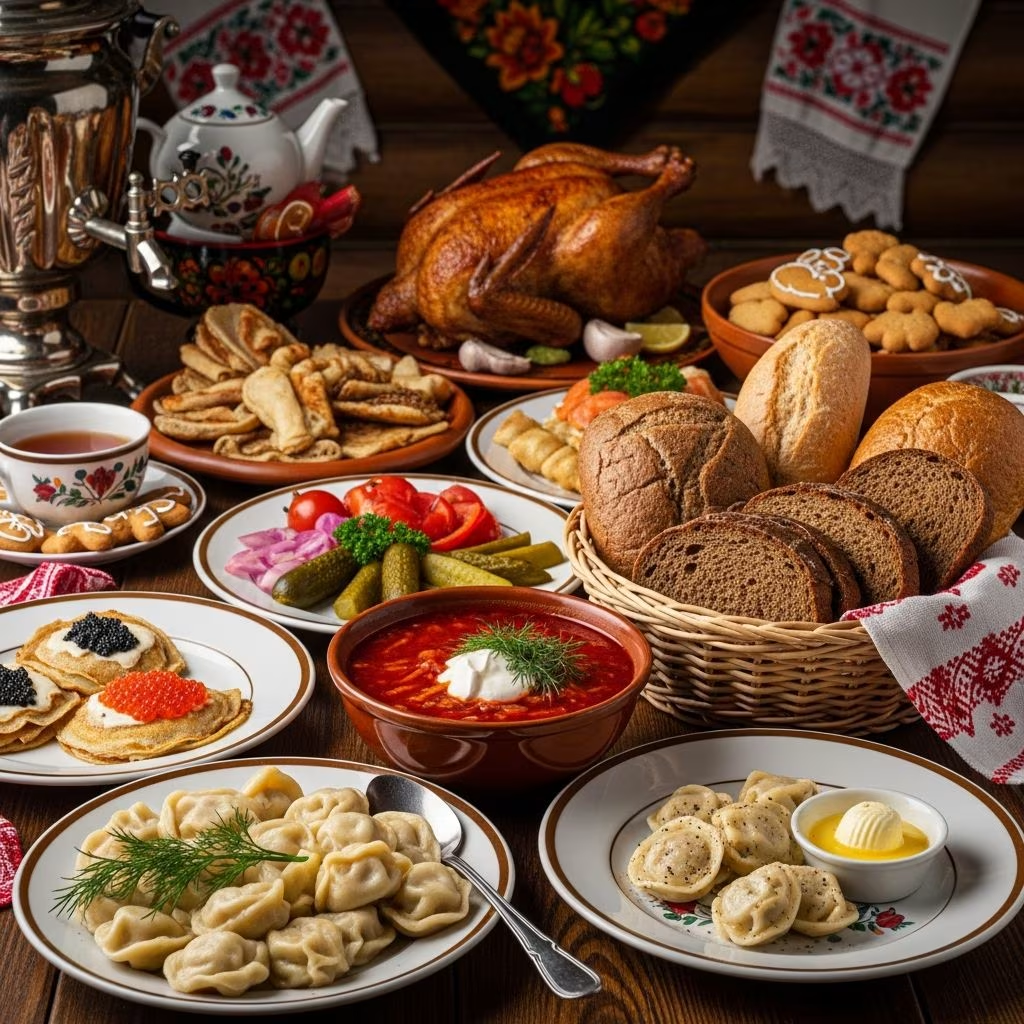
Russia’s food scene spans continents, blending hearty staples with hyper-local ingredients shaped by its immense geography. From grain-based breakfasts in the Baltic regions to seafood hauls from Pacific shores, the nation’s palate reflects resilience, seasonality, and communal feasting.
Foundational Breakfasts and Everyday Staples
Mornings in Russia often begin with simple, nourishing grains that fuel long days. Buckwheat porridge, known locally as kasha, stands out as a versatile base, simmered until creamy and enhanced with fruits, jams, or nuts. This dish, common from Kaliningrad westward, embodies comfort and adaptability—pair it with local black currant preserves for a tart twist or savory toppings like mushrooms for heartier fare.
Dairy plays a starring role too, with tvorog—a fresh, curd-like cheese—mixed into creamy spreads or paired with vareniye, thick fruit jams made from seasonal berries. These elements form a high-fat, satisfying start, aligning with traditional diets heavy in preserved goods. In urban settings like Moscow, such meals might appear at home or casual cafes, setting the tone for multi-course days.
- Kasha variations: Buckwheat with apricots and jam for sweetness; savory with onions and herbs.
- Tvorog delights: Blended with sour cream and honey; stuffed into rye pies in northern areas.
Soups: The Heart of Russian Meals
No Russian table feels complete without soup as the opening act. Borscht reigns supreme, a vibrant beet-based broth brimming with cabbage, beef, and tomatoes, served hot with a dollop of smetana (sour cream). Regional twists abound: Ukrainian influences add more spice in the south, while Siberian versions incorporate wild herbs.
Other favorites include fish soups from rivers and lakes, packed with carrots, potatoes, and whitefish like pikeperch from Lake Ladoga. These broths aren’t mere starters; they’re substantial, often comprising half the meal’s nutrition, reflecting historical reliance on preserved veggies and game.
| Soup Type | Key Ingredients | Best Regions |
|---|---|---|
| Borscht | Beets, cabbage, beef, sour cream | Central Russia, Ukraine border |
| Fish Soup | Pikeperch, carrots, potatoes | Lake Ladoga, St. Petersburg |
| Mushroom Soup | Foraged mushrooms, barley | Karelia, forests |
Dumplings and Filled Wonders
Pelmeni, Russia’s answer to global dumplings, feature thin dough pockets stuffed with spiced meat or vegetables, boiled and slicked with butter or vinegar. Frozen batches are supermarket staples, but homemade versions shine at family gatherings. Siberia claims pelmeni’s origins, where they’re simmered in vast quantities for winter sustenance.
In Karelia, kalitka offers an open-faced alternative: rye dough cradling millet, rice, tvorog, or fish fillings, baked until crisp. These pies highlight rye’s dominance in northern breads, providing portable nutrition for harsh climates.
Seafood and Northern Raw Delicacies
Russia’s waterways yield treasures like stroganina, razor-thin slices of frozen raw fish or reindeer from Yakutia and Komi. Muksun or nelma, flash-frozen in winter, are dressed minimally with oil, onions, and pepper— a fresh counterpoint to smoked or salted counterparts.
Far east in Kamchatka, crab legs and Pacific fish dominate, often grilled fresh. In St. Petersburg, Lake Ladoga’s pikeperch stars in elegant preparations. Restaurants like Russkaya Rybalka innovate by letting diners ‘catch’ their meal from stocked ponds, then customizing cooks from smoked to marinated.
Regional Meat Feasts and Grilled Specialties
The Caucasus pulses with shashlyk—skewered meats, fish, or veggies charred over open flames, slathered in nutty, spicy sauces borrowed from Georgian neighbors. Tatar regions elevate goose in kaklagan kaz (cured slices) or zur balish, a massive pie stewing giblets, onions, and potatoes under pastry.
Reindeer and elk grace Karelian menus, paired with wild berry liqueurs at spots like Karelskaya Gornitsa in Petrozavodsk. Siberia amplifies pelmeni with game fillings, while central areas favor beef stroganoff’s creamy legacy, though purists stick to simpler roasts.
Breads, Sweets, and Festive Bakes
Blini, thin crepes, bridge savory and sweet: topped with smoked salmon, roe (ikra), dill, and sour cream, or fruit for dessert. They’re ubiquitous at Maslenitsa festivals, symbolizing farewell to winter.
Sweet breads like kulich, fruit-studded loaves glazed with icing, crown Easter tables, akin to panettone but denser. Donuts called pishki, fluffy and sugar-dusted, lure at historic St. Petersburg bakeries like Cafe Pyshechnaya. Tatar chak-chak, syrup-drenched fried dough with nuts, offers sticky indulgence.
- Blini toppings: Savory: salmon + sour cream; Sweet: jam + condensed milk.
- Bakery musts: Pishki in St. Petersburg; Kulich during holidays.
Beverages: From Ferments to Fine Wines
Kvas, a fermented rye drink, refreshes with tangy fizz, sourced farm-fresh at Moscow’s Lavka-Lavka. Beyond vodka, herbal teas, kompot (fruit compote), and cloudberry liqueurs warm northern nights.
Black Sea regions nurture Russia’s wine heart, yielding robust reds and whites. Caucasus imports add Georgian wines to shashlyk spreads.
Urban Dining Gems and Farm-to-Table Trends
Moscow buzzes with Lavka-Lavka’s organic focus, pouring kvas amid farm-sourced plates. St. Petersburg’s Pyshechnaya preserves pishki traditions, while Le Pain Quotidien offers pastry variety.
In Petrozavodsk, Karelskaya Gornitsa immerses in Karelian game and pies. Kazan’s Tatarskaya Usadba serves zur balish and chak-chak. Kamchatka’s crab shacks deliver ocean-fresh hauls.
Daily Eating Rhythms and Cultural Notes
Russian meals unfold leisurely: breakfast light with grains; lunch at 2pm anchors with soup, protein, and veg; dinner mirrors with apps, salads (mayo-heavy like Olivier), mains, and sweets. Hospitality demands sharing zakuski—pickles, cheeses, cured meats—before mains.
Portions suit communal styles; fat and sodium profiles suit cold climates but modern spots lighten up. Vegetarians find solace in mushrooms, grains, and pies.
FAQs
What is the most iconic Russian dish?
Borscht, a beet soup with meat and veggies, tops lists for its color and heartiness.
Are there vegetarian options in Russian cuisine?
Yes, kasha, mushroom soups, blini, and kalitka fillings cater well.
What’s a must-try in Moscow?
Pelmeni or kvas at Lavka-Lavka for authentic farm flavors.
Is caviar essential?
Ikra on blini offers luxury, especially red varieties from rivers.
Best time for food festivals?
Maslenitsa for blini; Easter for kulich.
References
- Authentic Russian Cuisine – 12 Must-Try Foods When Visiting Russia — Cultural Foodies. 2023-05-15. https://culturalfoodies.com/russian-food-language/
- A Foodie’s Guide to Russia — TourHQ. 2022-11-20. https://www.tourhq.com/article/a-foodies-guide-to-russia
- A Foodie’s Guide to Russia — Lonely Planet. 2023-08-10. https://www.lonelyplanet.com/articles/a-foodies-guide-to-russia
- Russian Food Guide: 50 Must-Try Dishes — That’s What She Had. 2024-01-12. https://thatswhatshehad.com/russian-food-guide/
- A Beginner’s Guide to Russian Food — Young Pioneer Tours. 2023-03-05. https://www.youngpioneertours.com/beginners-guide-russian-food/
- Russia: Food & Diet — Maika Isogawa. 2022-07-18. https://www.maikaisogawa.com/russia-food-diet/
On This Page
Foundational Breakfasts and Everyday Staples Soups: The Heart of Russian Meals Dumplings and Filled Wonders Seafood and Northern Raw Delicacies Regional Meat Feasts and Grilled Specialties Breads, Sweets, and Festive Bakes Beverages: From Ferments to Fine Wines Urban Dining Gems and Farm-to-Table Trends Daily Eating Rhythms and Cultural Notes FAQs← Previous
Russia’s Literary Sites: Moscow, St. Petersburg & Beyond
Next →
Best Vacation Destinations for Every MBTI Personality Type
Related Reading
More in Food & Culture
Food & Culture Food & Culture
 Food & Culture
Best Places to Eat in Rome: Neighborhood Dining Guide
 Food & Culture
 Food & Culture