

 Travel Essentials
 Travel Essentials

Comprehensive guide to RV travel in Australia: planning routes, vehicle choices, camping rules, costs, safety, and top destinations for unforgettable road trips.
 Travel Essentials
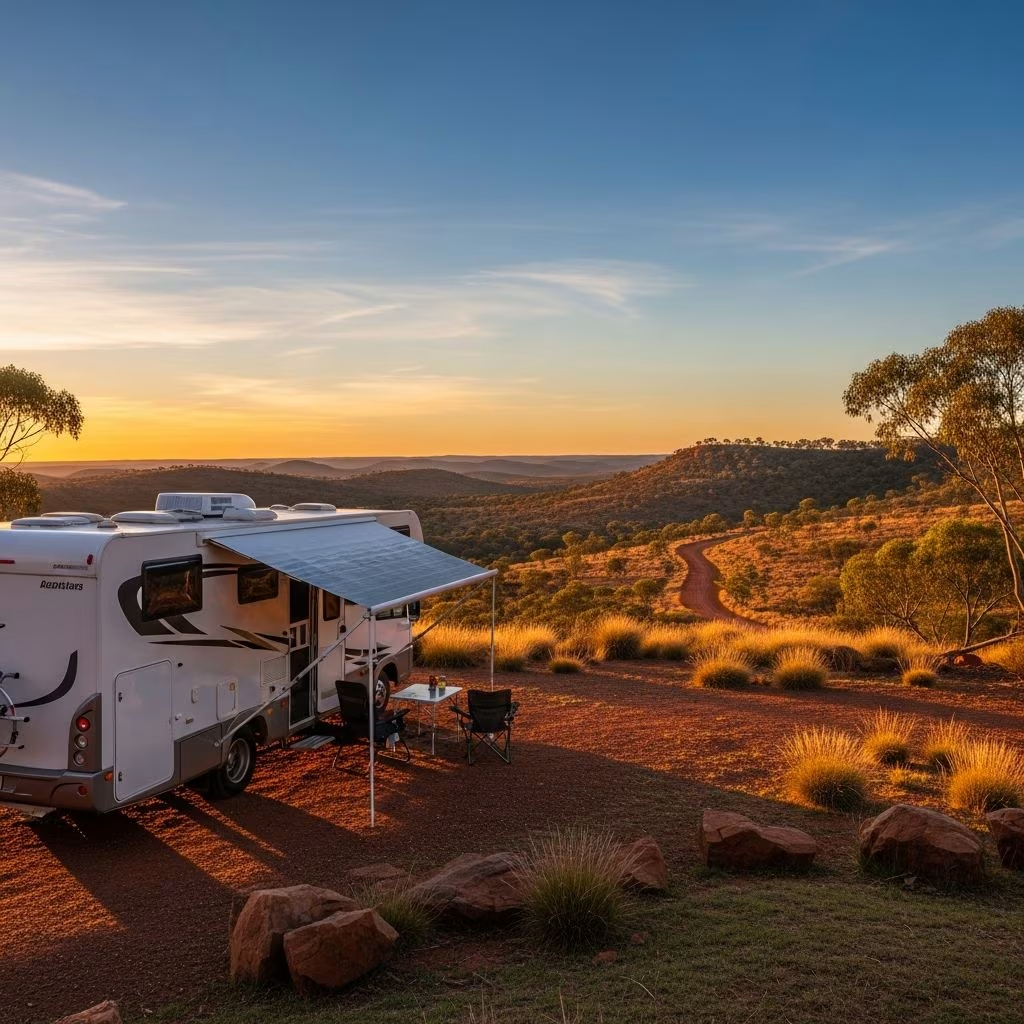
Embarking on an RV journey through Australia offers unparalleled flexibility to traverse diverse terrains, from rugged outback trails to pristine beaches. This mode of travel combines accommodation, transport, and kitchen into one self-contained unit, ideal for immersing in the country’s natural wonders at your own pace.
Australia’s expansive road network and abundance of campsites make it a prime destination for RV enthusiasts. Vast distances between cities encourage this style of exploration, allowing stops at hidden gems inaccessible by public transport. Families appreciate the comfort of home-like setups, while couples enjoy intimate off-grid escapes. Solo travelers find empowerment in self-reliance amid breathtaking scenery.
Determine trip length first. A full coastal lap requires at least three months to avoid rushing and allow spontaneity. Shorter loops, like east coast or Nullarbor Plain, suit 4-6 weeks. Factor in driving limits: no more than 300-500km daily for safety and enjoyment.
| Route Type | Duration | Distance | Highlights |
|---|---|---|---|
| East Coast (Sydney to Cairns) | 4-6 weeks | 2,500km | Great Barrier Reef, rainforests, beaches |
| Great Ocean Road Loop | 2-3 weeks | 1,000km | Cliffs, wildlife, wineries |
| Outback (Adelaide to Darwin) | 6-8 weeks | 3,000km | Uluru, red deserts, starry skies |
| Full Lap | 3+ months | 15,000km+ | All coasts, diverse ecosystems |
Research state-specific apps for real-time road conditions and attractions. Prioritize sealed highways unless your vehicle is 4WD-equipped.
Options range from budget backpacker vans to luxury motorhomes. Rentals dominate for visitors, with companies offering one-way deals. Peer-to-peer platforms provide equipped rigs with solar power for remote areas. Consider group size, off-road needs, and mileage limits.
Inspect age and condition; newer fleets cost more but break down less. Secure insurance covering gravel roads, and ensure all drivers present licenses at pickup.
Avoid extremes: May-October dry season suits northern routes, dodging floods. Southern summers (December-February) bring heat waves, better for cooler highlands. Monitor Bureau of Meteorology for updates.
Wild camping is restricted; use designated sites only. Holiday parks offer powered sites ($40-70/night) with pools, BBQs. National park campsites ($6-30/person) provide basics. Apps like WikiCamps or state park sites aid booking.
Key regulations:
Expect $100-200/day for two, covering fuel, sites, food. Fuel: $2/liter, 15-20L/100km. One-way fees add $500+.
| Expense | Daily Cost (2 people) | Tips |
|---|---|---|
| Rental | $80-250 | Book early for deals |
| Fuel | $50-100 | Plan efficient routes |
| Campsites | $30-60 | Free crown land where allowed |
| Food | $40-80 | Cook onboard, shop markets |
| Attractions | $20-50 | National park passes |
Save by free camping, long-term rentals, and off-peak travel.
Wildlife, fatigue, remoteness demand vigilance. Carry spare tire, water (20L+), first aid, satellite phone. Drive daylight hours; rest every 2 hours.
Pack light: linens provided often, bring reef-safe sunscreen, insect repellent. Stock non-perishables; fresh buys en route. Laundry at parks weekly.
For families: Games, shaded awnings. Couples: Romantic setups. All: Power banks, inverters.
RVs excel for kids: routines maintained, space for play. Choose bunk models. Educate on safety, involve in planning for engagement.
Compact vans suit twosomes. Seek secluded spots for stargazing, wine regions like Barossa.
Standard car license suffices for most under 4.5-tonne; check state rules for larger.
Yes, with preparation. Join clubs like Campervan & Motorhome Club of Australia for tips.
15-25L/100km; budget accordingly for long hauls.
Stick to sealed roads unless 4WD; fines for damage.
WikiCamps or Hema Explorer for maps, reviews.
