


 Food & Culture
Food & Culture
Rwandan Food Guide: Traditional Dishes, Kigali Dining, and Farm-to-Table Flavors
Explore Rwanda's authentic food culture, from staple stews and grilled meats to innovative farm-to-table dining, highlighting the nation's resilient agricultural heritage and evolving culinary scene.
 Food & Culture
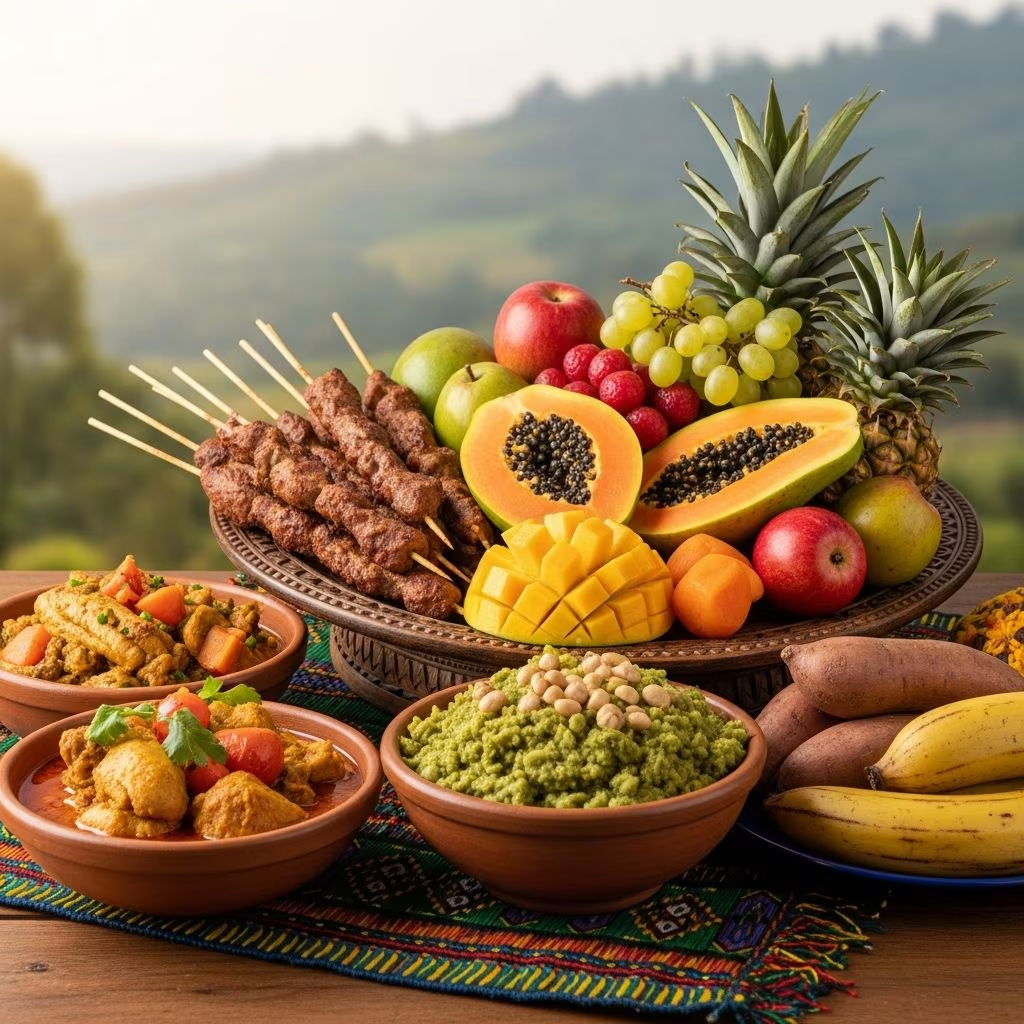
Rwanda, nestled among East Africa’s rolling hills, boasts a cuisine deeply intertwined with its fertile landscapes and resilient communities. This landlocked nation produces dishes that emphasize fresh, locally sourced ingredients, reflecting a commitment to sustainability and tradition.
The Foundations of Rwandan Eating Habits
Daily meals in Rwanda revolve around simple, nourishing staples grown on small family plots. Cassava leaves, plantains, beans, corn, and millet dominate, providing the backbone of a diet that prioritizes accessibility and nutrition. Rural households often prepare these foods fresh, fostering a true farm-to-table ethos long before it became a global trend.
Breakfast is minimal, with many skipping it in favor of substantial midday or evening repasts. Coffee, despite being a major export crop, was traditionally reserved for trade rather than local consumption. Recent urban shifts, driven by young entrepreneurs, have introduced cafés serving bold brews like African coffee—a mix of espresso, chocolate, ginger, and milk.
Iconic Staples That Define Every Meal
- Ugali: This dense maize-based porridge forms the carb-heavy base for many dishes, molded into balls and paired with sauces for scooping.
- Matoke: Steamed and mashed green bananas offer a subtly sweet, potato-like texture, wrapped in banana leaves during cooking for infused flavor.
- Isombe: Cassava leaves mashed with peanut sauce deliver earthy, protein-rich depth, a staple side in Kigali eateries.
These elements ensure balanced plates, often accompanied by chapati flatbreads or crispy potato chips influenced by Indian traders.
Hearty Stews and One-Pot Wonders
Igisafuria stands out as a comforting ensemble stewed in a single pot. Combining meats like goat or beef with plantains, potatoes, onions, and beans, it simmers for hours, melding savory juices into a tagine-like delight. Such preparations highlight resourcefulness, turning modest ingredients into flavorful feasts.
Brochettes—skewered and grilled meats spiced with chili—offer street-side simplicity. Found in local Kigali spots away from tourist hubs, they pair perfectly with isombe or ibitoke (grilled bananas), embodying casual Rwandan snacking.
Agriculture’s Role in Flavor Profiles
Rwanda’s volcanic soils yield nutrient-dense produce, supporting a push toward food self-sufficiency. Policies since 2004 have boosted staple crops like maize, beans, and potatoes via cooperatives and subsidized inputs, achieving 5% annual agricultural growth.
Challenges persist: less than 5% of arable land is irrigated, making rainfed farming vulnerable to climate shifts. Yet, expansions in high-value exports—coffee, tea, horticulture—signal diversification.
| Crop Type | Key Varieties | Production Focus |
|---|---|---|
| Staples | Maize, beans, potatoes | Self-sufficiency via cooperatives |
| Exports | Coffee, tea, fruits | Global markets, premium pricing |
| Horticulture | Vegetables, floriculture | Irrigation expansion needed |
Urban Evolution: Kigali’s Dining Renaissance
Kigali pulses with culinary innovation. Food tours guide visitors through markets and hidden eateries, sampling organic greens from volcanic regions. Chef-driven spots like those in Musanze fuse local fruits with African influences, offering multi-course tastings.
Villa Kigali exemplifies luxury farm-to-table, where meals draw from nearby farms. Repub Lounge serves authentic brochettes and stews, preserving street flavors amid city growth.
Regional Influences and Great Lakes Impact
Bordering Congo, Uganda, and Tanzania, Rwanda’s table reflects Great Lakes synergies. Red Rocks centers showcase intercultural cuisines, blending Bantu and Maasai notes. Plantains and cassava bridge neighbors, while Rwandan techniques add unique twists.
Sustainable Futures Through Food Systems
Rwanda’s inaugural Food Systems Strategy eyes resilient growth. Emphasizing irrigation (targeting untapped marshlands) and trade integration, it aims to elevate agri-food into a climate-proof engine. Regional value chains for dairy, horticulture, and processed goods promise inclusive prosperity.
With total factor productivity rising 2% yearly, structural reforms position Rwanda to specialize beyond staples.
Practical Tips for Food Explorers
- Seek local brasseries over tourist traps for genuine brochettes.
- Join Kigali food tours for market insights and isombe demos.
- Pair meals with emerging local coffees in youth-run cafés.
- Visit Musanze for farm-fresh fine dining workshops.
Frequently Asked Questions
What are must-try Rwandan dishes?
Ugali, matoke, isombe, igisafuria, and brochettes top the list for their authentic flavors and cultural significance.
Is Rwandan food vegetarian-friendly?
Yes, staples like cassava leaves, beans, and plantains abound, with peanut sauces adding richness.
How has Rwanda’s agriculture evolved?
From subsistence to 5% growth via policies promoting cooperatives and high-value crops, though irrigation lags.
Where to find the best street food in Kigali?
Local areas like Repub Lounge offer brochettes and stews away from main tourist zones.
Does Rwanda export its cuisine influences?
Great Lakes cuisines share staples, with Rwanda contributing via intercultural exchanges.
References
- Rwanda Achieving Food Security: What Prospects Lie Ahead — Policy Center for the New South. 2020. https://www.policycenter.ma/publications/rwanda-achieving-food-security-what-prospects-lie-ahead-challenges-and-opportunities
- Customs & Cuisine of Rwanda — Together Women Rise. N/A. https://togetherwomenrise.org/customsandcuisine/customs-cuisine-of-rwanda/
- Rwanda Travel Food Guide — My Breaking Views. N/A. https://mybreakingviews.com/rwanda-travel-food-guide/
- Rwanda’s food scene: The taste of a nation — Lonely Planet. N/A. https://www.lonelyplanet.com/articles/gateway-to-rwanda-food
- Kigali Food Tours — Silverback Tour. N/A. https://www.silverbacktour.com/kigali-food-tours-how-tourists-should-experience-kigali-cuisine/
- Rwanda: Africa’s New Culinary Darling — Angama. N/A. https://angama.com/blog-posts/east-africa-travel/rwanda-africas-new-culinary-darling/
- Rwanda’s First-Ever Food Systems Strategy — EU Agenda. N/A. https://euagenda.eu/news/885022
On This Page
The Foundations of Rwandan Eating Habits Iconic Staples That Define Every Meal Hearty Stews and One-Pot Wonders Agriculture's Role in Flavor Profiles Urban Evolution: Kigali's Dining Renaissance Regional Influences and Great Lakes Impact Sustainable Futures Through Food Systems Practical Tips for Food Explorers Frequently Asked Questions← Previous
Rwanda Cultural Heritage: Museums, Traditions and Royal History
Next →
Rwanda Adventure Travel Guide: Top Outdoor Experiences
Related Reading
More in Food & Culture
Food & Culture Food & Culture
 Food & Culture
Best Places to Eat in Rome: Neighborhood Dining Guide
 Food & Culture
 Food & Culture