

 Travel Essentials
 Travel Essentials

Comprehensive guide to professional driving practices, vehicle maintenance, and risk management strategies for safer travels
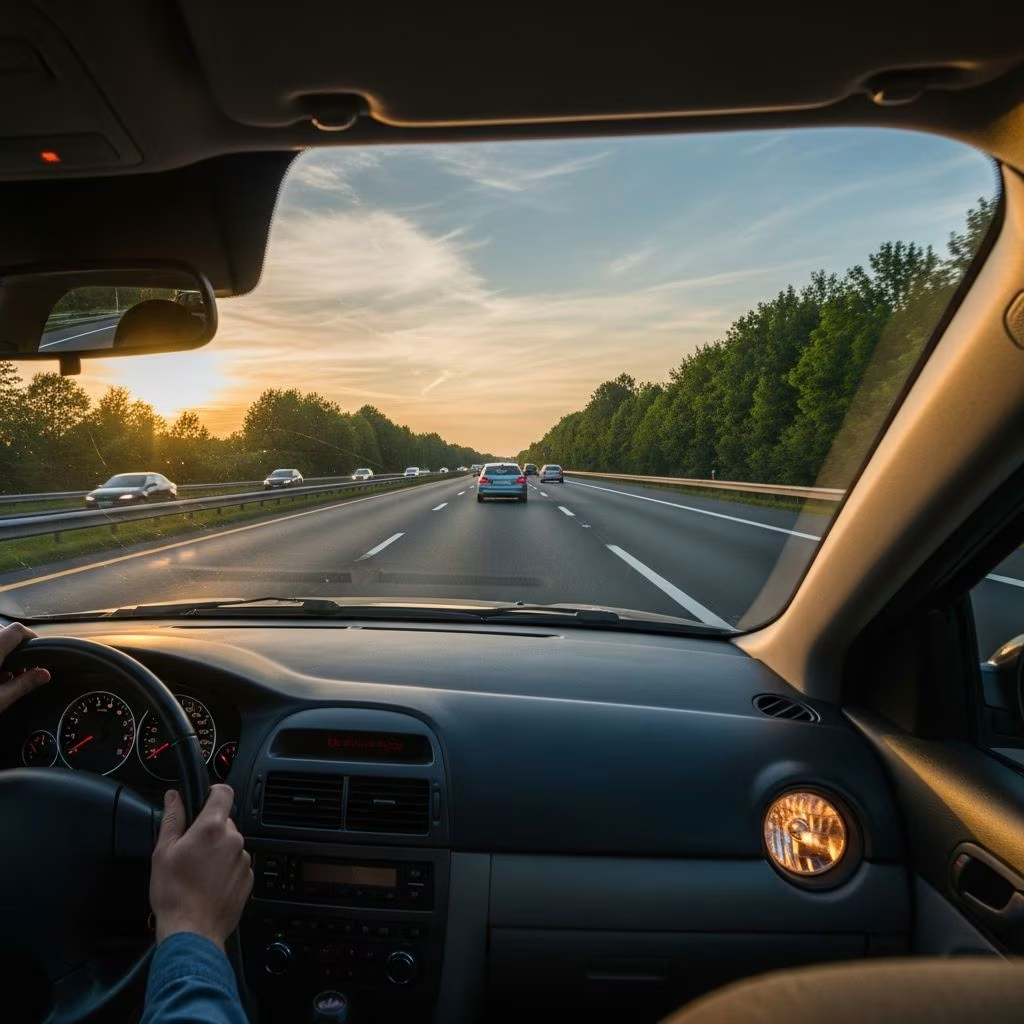 Travel Essentials
Driving is one of the most common activities people undertake, yet it remains one of the most dangerous. Whether you’re commuting to work, embarking on a cross-country adventure, or navigating unfamiliar streets, understanding and implementing professional driving techniques can significantly reduce your risk of accidents and make every journey safer. The difference between a casual driver and one who prioritizes safety often comes down to knowledge, preparation, and consistent practice of proven methods.
Before turning the ignition, your mindset plays a crucial role in determining how safely you’ll navigate the roads. Professional drivers understand that driving requires full mental engagement and cannot be treated as a passive activity. This mental framework begins with recognizing that every time you get behind the wheel, you’re responsible not only for your own safety but for the safety of passengers, pedestrians, and other motorists.
Getting adequate sleep before any driving session is paramount. Drowsy driving impairs judgment and reaction time similarly to alcohol consumption. Taking breaks every two hours or every 100 miles helps maintain alertness and prevents fatigue from accumulating. Additionally, eliminate distractions by putting your phone away and keeping conversations with passengers minimal.
A comprehensive vehicle inspection before departure can prevent breakdowns and mechanical failures that compromise safety. Professional drivers treat this checklist as non-negotiable rather than optional.
Successful journeys begin long before departure. Checking weather forecasts, traffic conditions, and road reports allows you to make informed decisions about timing and route selection. According to AAA data, drivers can expect 20% longer travel times during peak travel periods, particularly in major metropolitan areas.
Planning your route involves more than just finding the shortest path. Consider alternate routes around congested areas, identify rest stops, and communicate your planned route and estimated arrival time to someone you trust. When using GPS, familiarize yourself with the route beforehand so you’re not surprised by upcoming turns or exits.
Speed represents one of the most controllable yet frequently mismanaged factors in driving safety. Adhering to posted speed limits is fundamental, but professional drivers adjust their speed based on conditions. On wet roads, reduce speed by approximately one-third; on icy or snow-packed surfaces, reduce by one-half or more.
Following distance is equally critical. Maintaining extra space between your vehicle and the one ahead gives you crucial reaction time to respond to unexpected situations like sudden braking or lane changes. During heavy traffic or poor visibility, increase this buffer zone substantially.
Defensive driving means anticipating potential hazards before they occur. This proactive approach includes watching for signs of impaired or drowsy driving in other vehicles, such as frequent braking, unsteady speed, and weaving between lanes.
During peak travel seasons when roads are congested, expect other drivers to make sudden lane changes or miss their exits. Scanning ahead of the immediate traffic flow allows you to spot problems developing and adjust course early. Similarly, watch for impatient drivers exhibiting signs of road rage, out-of-towners unfamiliar with roads, and vehicles stopped on roadsides.
Long-distance driving places particular demands on alertness. Beyond getting adequate sleep beforehand, strategic breaks maintain cognitive function. Taking stops every couple of hours, regardless of whether you feel tired, helps invigorate both driver and passengers.
Nutrition matters more than many realize. Pack healthy snacks and water to maintain energy levels without consuming heavy meals that promote drowsiness. Avoid relying on caffeine as your sole fatigue management tool, as its effects are temporary and can be followed by crashes in alertness.
Different seasons and weather conditions demand specific preparations. During summer travel, the hottest times typically occur between 10 AM and 5 PM, so scheduling travel for early morning or evening reduces heat-related stress and improves comfort. Use sunglasses to reduce eye fatigue from glare.
Winter and adverse weather conditions require additional preparation. Pack tire chains, blankets, a shovel, and other cold-weather gear. Drain air tanks daily in cold weather, and keep windshields, mirrors, brake lights, and license plates clear of ice and snow.
Every vehicle should contain emergency supplies appropriate to the season and journey length. Essential items include water for both vehicle and passenger hydration, flares or reflective triangles, a battery-operated radio, and a fully-charged jump-starter. Additional recommended items include gloves, appropriate headwear, a blanket for kneeling while changing tires, and a basic tool kit.
Driving after consuming alcohol or drugs—whether legal or illicit—is illegal in all states. Both substances impair critical driving skills including coordination, judgment, perception, and reaction time. Professional drivers maintain zero tolerance for any substance that might impair their capabilities, understanding that impairment reduces their ability to respond to emergencies.
Texting while driving or operating your phone is dangerous and illegal. The cognitive distraction of composing messages or reading notifications takes your attention away from the road. Modern vehicles offer hands-free communication options that, when set up before driving, allow you to maintain focus on the road while staying connected.
Entertainment systems, GPS devices, and infotainment screens should be configured before departure. Adjusting these controls while driving diverts attention and increases accident risk.
Professional drivers don’t simply follow safety rules; they internalize them as habits. This involves regularly refreshing knowledge about emerging hazards, evolving traffic patterns, and new safety technologies. Taking defensive driving courses periodically provides updated information and often qualifies for insurance discounts.
Different times of year present unique challenges. Summer brings increased traffic congestion and heat-related challenges. Police enforcement typically increases during peak travel seasons, making compliance with traffic laws particularly important. Winter introduces hazardous road conditions and visibility challenges. Spring brings weather unpredictability with sudden storms. Fall presents reduced visibility from earlier darkness.
Extended driving requires more thorough preparation than daily commutes. Schedule professional pre-trip inspections to identify potential issues before they become roadside emergencies. Verify that spare tires are properly inflated and that you have appropriate tools including jacks and lug wrenches.
For electric vehicles, charge the battery the night before departure to maximize range. Plan charging stops or rest points strategically along your route. For towing situations, ensure your vehicle’s suspension and towing capacity match your load requirements.
Drivers aren’t alone in creating safe travel environments. Passengers can contribute by minimizing distractions, not engaging the driver in demanding conversations, and helping monitor road conditions. Clear communication about route changes, rest stops, and driving concerns helps maintain a safe atmosphere.
