

 Travel Essentials
 Travel Essentials

Saga specializes in curated ocean and river cruises tailored for travelers 50+, featuring inclusive pricing, enrichment programs, and thoughtfully designed shore excursions.
 Travel Essentials
Saga represents a distinctive approach to cruise travel, focusing on delivering thoughtfully curated experiences for a specific demographic of travelers who prioritize depth over breadth, cultural engagement over standardized tourism, and inclusive value over nickel-and-diming pricing models. The cruise line has carved out a substantial niche in the travel industry by recognizing that not all cruise passengers seek the same experience, and that many travelers value meaningful exploration alongside comfort and relaxation.
Saga operates with a philosophy centered on the premise that mature travelers—particularly those aged 50 and older—possess distinct preferences and expectations when selecting cruise vacations. Rather than competing directly with mass-market cruise operators, Saga has developed a business model that emphasizes quality over quantity, cultural authenticity over manufactured entertainment, and thoughtful itinerary construction over port congestion.
The company recognizes that its target audience often possesses considerable travel experience, appreciates educational components alongside leisure activities, and values practical conveniences that enhance rather than complicate their vacation experience. This positioning has allowed Saga to build a loyal customer base that views their cruise selections not merely as transportation between destinations, but as curated journeys offering genuine interaction with local cultures and environments.
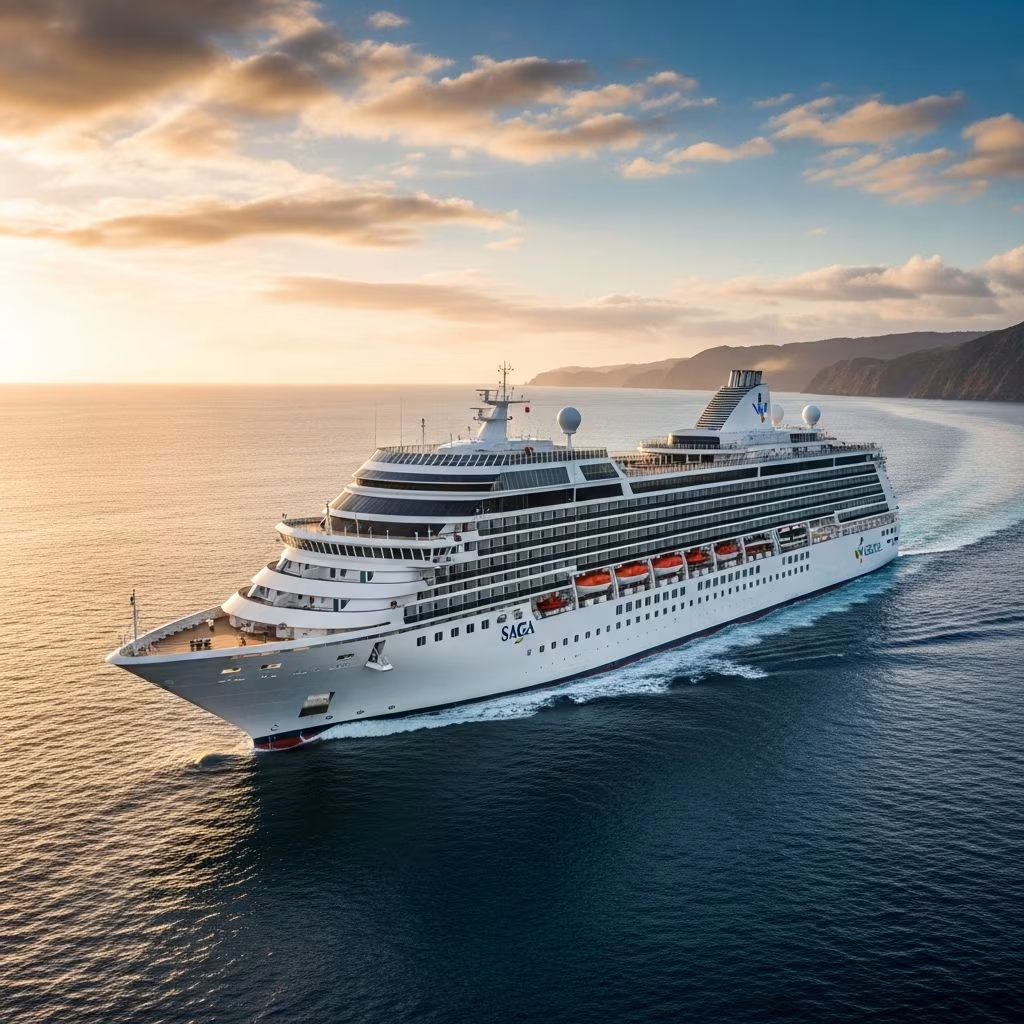
Saga operates a fleet specifically designed to accommodate their customer profile and itinerary requirements. Their vessels are purposefully smaller than mega-ship operations, a distinction that carries significant operational and experiential implications.
The deliberate choice to operate smaller vessels directly supports Saga’s operational advantages. Smaller ships can access ports and anchorages unavailable to larger vessels, enabling itineraries that showcase less-visited destinations and more authentic local experiences. The reduced passenger volume means shore excursions involve smaller groups, enhancing cultural interactions and reducing the overwhelming sense of mass tourism that characterizes larger cruise experiences.
One of Saga’s most distinctive competitive advantages centers on their inclusive pricing approach. Rather than offering base fares with extensive additional charges for amenities typically considered standard inclusions on other cruise lines, Saga bundles numerous services and amenities into their quoted prices.
Standard inclusions in Saga cruise packages typically encompass:
This comprehensive approach to pricing significantly simplifies vacation planning and budgeting for passengers. Travelers can accurately predict total vacation costs without surprise expenses emerging during the cruise or arriving in post-vacation invoices. The psychological benefit of transparent, predictable pricing appeals particularly to mature travelers who have accumulated sufficient travel experience to recognize and resent hidden cost structures.
Saga distinguishes itself through substantial investment in enrichment programming that elevates the intellectual component of their cruises. Unlike cruise lines that prioritize entertainment volume, Saga curates educational content that complements their itineraries and encourages meaningful engagement with visited destinations.
Typical enrichment offerings include:
This educational emphasis transforms cruise vacations from passive consumption of destinations into active learning experiences. Passengers develop deeper understanding of the places they visit rather than simply checking off tourist landmarks. For travelers who view vacations as opportunities for continued growth and intellectual stimulation, this approach delivers substantially more value than entertainment-focused cruise programming.
Saga’s approach to itinerary construction reflects their understanding of their passenger demographic. Rather than attempting to cram numerous destinations into brief timeframes, Saga favors itineraries that allow multiple days in fewer ports, enabling substantial exploration and genuine cultural immersion rather than rushed tourism.
Their cruise offerings span distinct categories:
| Cruise Type | Typical Duration | Geographic Focus | Key Characteristics |
|---|---|---|---|
| River Cruises | 8-14 days | Europe (Danube, Rhine, Seine) | Smaller vessels, intimate ports, cultural cities, leisurely pace |
| Ocean Cruises—European | 10-14 days | Mediterranean, Scandinavia, British Isles | Moderate capacity, cultural focus, extended port time |
| Ocean Cruises—Exotic | 14-21+ days | Caribbean, Atlantic islands, occasionally Asia/Africa | Longer voyages, diverse cultural experiences, extended sea days |
| Seasonal Itineraries | Variable | Depends on season and availability | Shoulder season discounts, fewer passengers, more authentic experiences |
River cruises constitute a substantial portion of Saga’s offerings, capitalizing on the intimate experiences possible with smaller riverboats navigating Europe’s major waterways. These cruises combine the convenience of moving accommodations with the appeal of exploring charming river towns and historic city centers accessible to river traffic but impossible for ocean-going vessels.
Saga’s reputation for exceptional service extends beyond simple politeness to encompass genuine attentiveness and problem-solving orientation. Passengers consistently report positive interactions with crew members who demonstrate extensive product knowledge and evident commitment to passenger satisfaction.
The company invests substantially in staff training, recognizing that service quality directly impacts the vacation experience, particularly for cruises emphasizing cultural enrichment and meaningful engagement. Staff members receive training not only in hospitality fundamentals but in regional history, local culture, and relevant context about visited destinations. This knowledge enables crew members to enhance passenger understanding through incidental conversations and contextual information during daily operations.
The smaller ship environment facilitates personal recognition and relationship development between passengers and crew members, contrasting sharply with mega-ship operations where crew members serve hundreds of passengers they never individually engage. This human-scale interaction contributes substantially to the distinctive character of Saga cruises.
Saga demonstrates thoughtful consideration for the practical realities of their passenger demographic. Cabins feature accessible design elements accounting for varying mobility levels, and company policies accommodate medical requirements and accessibility needs more flexibly than standardized industry practices.
Onboard amenities reflect mature traveler preferences, including quieter public spaces, comfortable seating areas encouraging conversation and reading, and exercise facilities addressing the interests of health-conscious passengers. The ship design prioritizes comfort and functionality over novelty and spectacle, creating environments where passengers feel genuinely at ease rather than perpetually moved toward revenue-generating activities.
While Saga primarily targets travelers 50 and older, their cruises accommodate guests of all ages, including family members of primary passengers. However, the core passenger base consists of mature travelers, shaping the overall atmosphere, activity offerings, and cultural emphasis of their voyages.
While base fares may appear comparable to mass-market operators, Saga’s inclusive approach typically results in lower total vacation costs when accounting for beverages, shore excursions, and gratuities that constitute additional charges on other cruise lines. The value proposition particularly favors passengers who would otherwise incur substantial additional expenses in these categories.
Absolutely. The smaller ship environment, educational programming, and attentive service make Saga cruises particularly appealing for first-time passengers concerned about feeling overwhelmed by mega-ship operations or uncertain about cruise vacation expectations.
Saga follows industry-standard health and safety regulations, with additional protocols implemented as circumstances warrant. Their smaller operational scale facilitates rapid communication and implementation of necessary procedures compared to larger cruise operations.
Yes, Saga accommodates solo travelers, with dedicated solo cabins on many vessels reducing single-occupancy supplements that typically apply on other cruise lines. The social atmosphere and organized activities also provide natural opportunities for solo travelers to interact with other passengers.
Saga Cruises represents a deliberately differentiated approach to cruise vacation offerings, rejecting the mass-market cruise model in favor of curated experiences emphasizing quality, cultural engagement, and transparent value. For travelers seeking cruises that transcend standardized destination tourism and deliver meaningful engagement with visited places, Saga’s philosophy and operational practices align closely with their expectations and preferences.
The company’s success reflects a fundamental business insight: not all travelers want the same experience, and a dedicated focus on a specific demographic’s distinct preferences often generates superior customer satisfaction and loyalty compared to attempts to serve all potential customers through identical offerings.
