

 Travel Essentials
 Travel Essentials

Discover comprehensive guides to TRAX light rail, FrontRunner commuter trains, buses, and airport links in Salt Lake City for hassle-free travel.
 Travel Essentials
Salt Lake City’s public transportation system, managed by the Utah Transit Authority (UTA), provides reliable and affordable ways to navigate the urban valley, from the international airport to suburban hubs and beyond.
The UTA network combines light rail, commuter rail, buses, and streetcars to serve Salt Lake County and surrounding areas. This interconnected system links key destinations like downtown, the University of Utah, residential neighborhoods, and the airport, making it ideal for tourists avoiding parking challenges.
Daily operations emphasize accessibility, with features like wheelchair ramps at stations and real-time tracking via apps. Peak hours see frequent service, reducing wait times and enhancing efficiency for commuters and visitors alike.
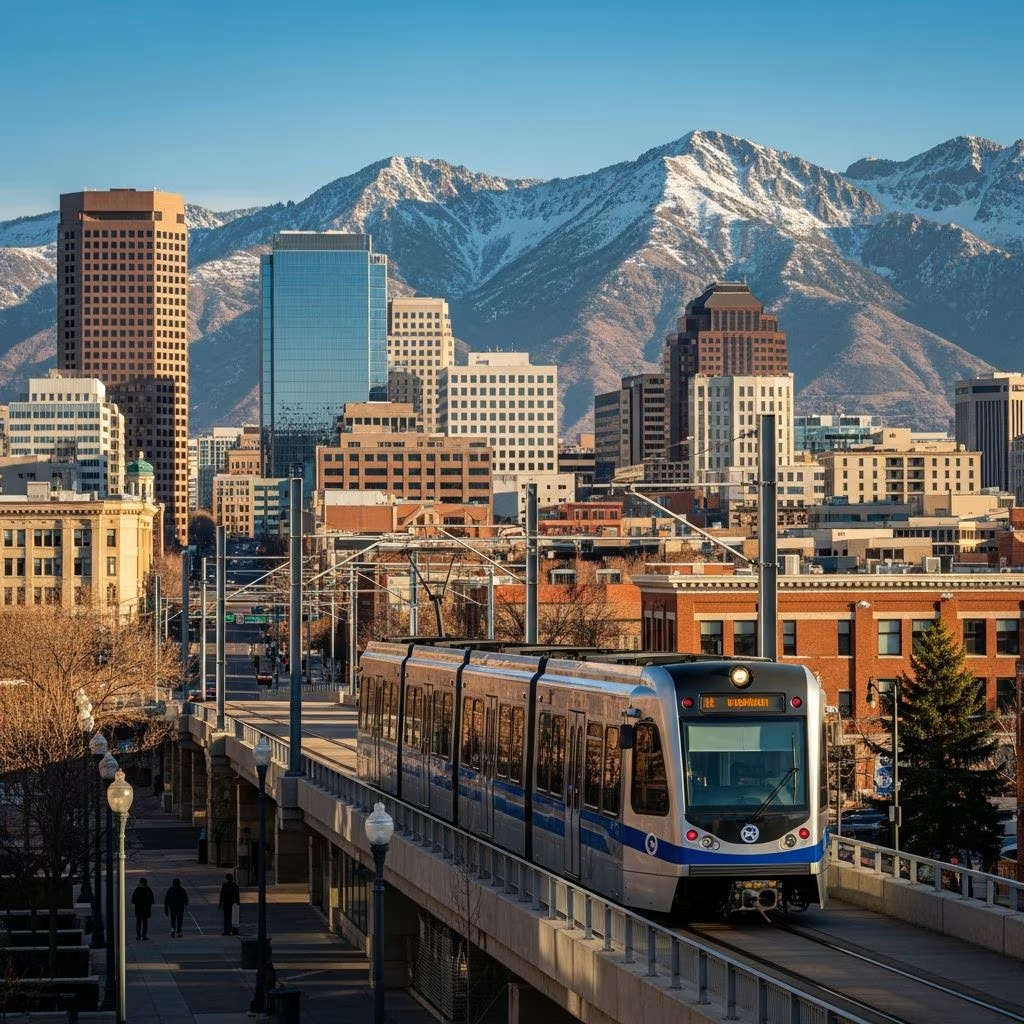
TRAX, UTA’s light rail service, operates three color-coded lines that converge in downtown Salt Lake City, facilitating easy transfers. Trains run on dedicated tracks, offering smooth rides through bustling areas and quieter suburbs.
Stations feature clear signage, ticket machines, and connections to buses or bikes. Service frequency peaks at every 15 minutes on weekdays, with extended hours from early morning to late evening.
Weekday TRAX service typically begins around 4:30 a.m. and ends near 11:30 p.m., with 15-minute intervals during rush hours. Saturdays offer similar start times until midnight, while Sundays have 30-minute headways. Check the UTA app for real-time updates, as schedules adjust for events or maintenance.
| Day | Start Time | End Time | Peak Frequency |
|---|---|---|---|
| Monday-Friday | 4:30 a.m. | 11:30 p.m. | 15 minutes |
| Saturday | 5:00 a.m. | Midnight | 15 minutes |
| Sunday | Varies | Evening | 30 minutes |
This table summarizes core TRAX timings, ensuring planners can align visits with service availability.
FrontRunner provides north-south commuter service from Ogden through Salt Lake City to Provo, with stops at major stations like Salt Lake Central. It’s designed for longer trips, skipping frequent urban halts for speed.
Weekdays feature early starts at 4:30 a.m. and late finishes after midnight; Saturdays run from 6 a.m. to 2 a.m., but no Sunday service. Pair it with TRAX for hybrid routes covering the Wasatch Front.
UTA’s bus fleet supplements rail lines, reaching neighborhoods and destinations without tracks. Routes span Salt Lake Valley, Utah County, Davis/Weber Counties, and even ski canyons seasonally.
Use route maps on the UTA site or app to identify stops near hotels or attractions. Buses arrive frequently at TRAX/FrontRunner stations for seamless transfers.
The S-Line streetcar serves Sugar House and surrounding east-side areas, offering a vintage-style ride with modern comforts. It connects to main TRAX lines for broader access.
Paratransit and on-demand services cater to those needing assistance, while bike integration via lockers and GREENbike stations supports eco-commutes.
Single TRAX/Green Line rides from the airport cost $2.50; local trips are $2.25. Day passes ($6.25) and monthly options like the $42 Hive Pass (for SLC residents, including GREENbike) offer savings.
Pay via contactless cards, mobile apps, or ticket vending machines. Children under 5 ride free; discounted fares apply for seniors and disabled riders.
| Ticket Type | Price | Validity |
|---|---|---|
| Single Ride (Local) | $2.25 | 2 hours |
| Airport TRAX | $2.50 | One way |
| 1-Day Pass | $6.25 | 24 hours |
| Hive Monthly Pass | $42 | 30 days (residents) |
Arriving at Salt Lake City International Airport? The Green Line TRAX station sits outside Terminal 1, whisking passengers downtown in about 15-20 minutes. No need for taxis or rideshares—trains depart every 15 minutes.
Conversely, reaching the airport from downtown is straightforward, with clear signage guiding transfers.
Winter brings ski buses up canyons, while summer events boost frequencies. FrontRunner and TRAX handle crowds for festivals, sports, and conventions efficiently.
| Mode | Best For | Distance Covered | Cost Efficiency |
|---|---|---|---|
| TRAX | Urban/downtown loops | Short-medium | High |
| FrontRunner | Regional commutes | Long | Medium |
| Buses | Flexible local routes | Varies | High |
Yes, the Green Line provides direct service from the airport to downtown every 15 minutes.
Yes, 1-day ($6.25) and monthly passes like Hive ($42 for residents) cover all UTA services.
Small pets in carriers are allowed on off-peak TRAX and buses; service animals anytime.
Many routes operate until midnight or later, synced with rail schedules.
Yes, racks on vehicles and lockers at stations support cycling integration.
Opting for UTA reduces carbon emissions compared to driving, especially with traffic congestion. The system’s electric TRAX lines promote green tourism, aligning with Utah’s outdoor ethos.
Expand your itinerary confidently: visit Temple Square via Blue Line, hike nearby via bus connections, or commute regionally on FrontRunner—all without a car.
