

 Travel Essentials
 Travel Essentials

Explore Salt Lake City's thriving culinary scene, premium accommodations, and outdoor recreation opportunities in this comprehensive travel guide.
 Travel Essentials
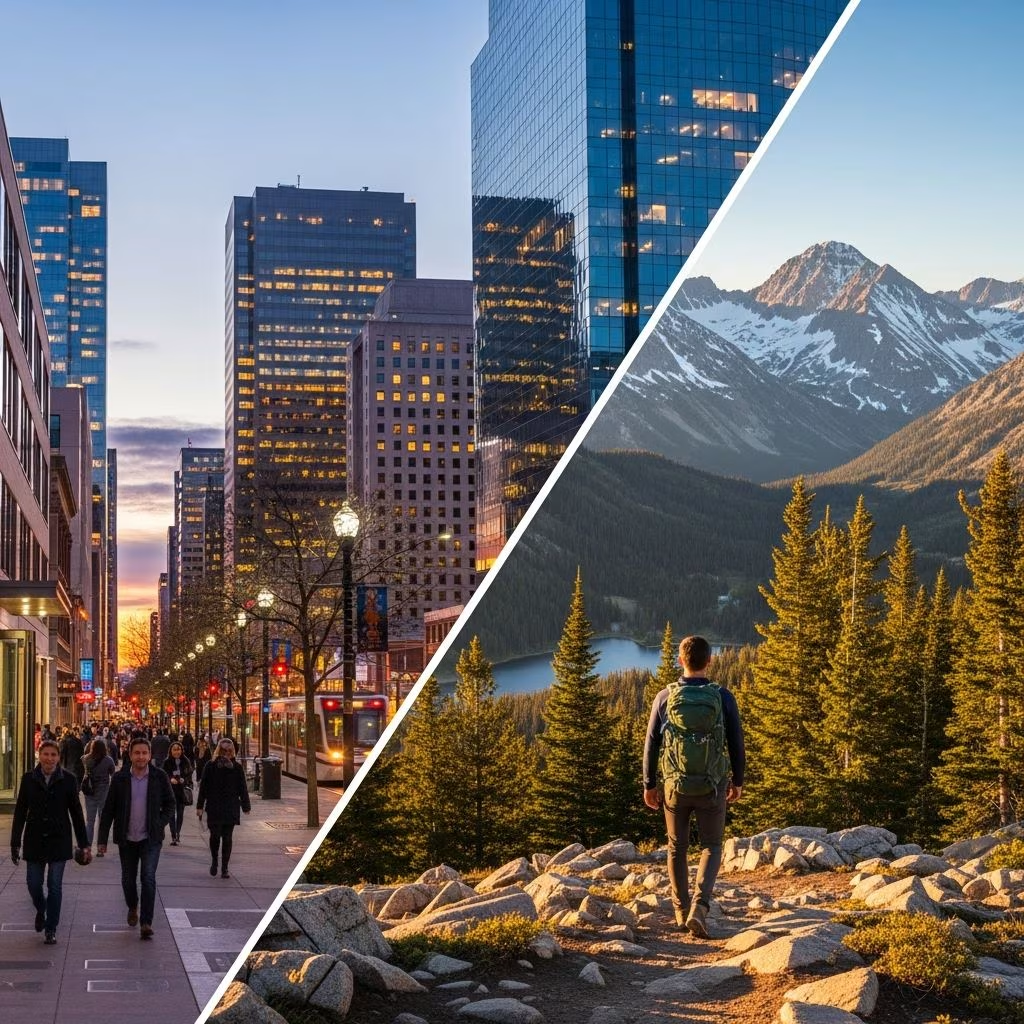
Nestled at the base of the Wasatch Mountains, Salt Lake City has transformed into a vibrant metropolitan destination that seamlessly blends urban sophistication with unparalleled outdoor access. This dynamic capital city offers visitors and residents alike a unique combination of world-class dining establishments, luxury accommodations, and year-round recreational opportunities that extend far beyond the state’s well-known ski resorts. Whether you’re seeking cultural enrichment, gastronomic experiences, or mountain adventures, Salt Lake City delivers an increasingly diverse array of attractions that cater to every traveler’s preferences.
Salt Lake City’s food scene has experienced remarkable growth over the past decade, establishing itself as a serious culinary destination. The city now boasts an impressive collection of restaurants ranging from casual neighborhood eateries to fine dining establishments helmed by accomplished chefs. Downtown corridors and emerging neighborhoods have become hotspots for innovative cuisine, craft beverages, and farm-to-table dining concepts.
The restaurant community has embraced local sourcing and seasonal menus, drawing inspiration from Utah’s diverse agricultural heritage. Contemporary American cuisine dominates the upscale dining landscape, though visitors will discover international flavors reflecting the city’s growing cultural diversity. From Japanese ramen bars to contemporary Latin American fusion, the dining options reflect both local preferences and cosmopolitan influences.
Beyond full-service restaurants, Salt Lake City’s food culture includes thriving food halls, artisanal bakeries, and specialty coffee roasters. The city’s brewing industry has also flourished, with numerous craft breweries distributed throughout downtown and surrounding neighborhoods. Many establishments feature rotating beer selections and seasonal offerings that showcase Utah’s growing craft beer community.
The hospitality sector in Salt Lake City has expanded significantly to accommodate the growing number of visitors and business travelers. The downtown area features several high-end hotel properties that cater to luxury travelers seeking premium amenities, sophisticated service, and convenient access to cultural attractions. These establishments typically offer spa facilities, fine dining restaurants, rooftop bars, and comprehensive business centers.
Beyond luxury properties, the city offers an abundance of mid-range hotels, boutique accommodations, and alternative lodging options. Contemporary boutique hotels have opened in recent years, each with distinctive design elements reflecting local culture and architecture. These properties often feature locally-sourced furnishings, art installations, and curated experiences that distinguish them from national chain hotels.
For travelers seeking extended stays or unique accommodations, vacation rental platforms provide access to residential properties throughout various neighborhoods. These options range from modern apartments in downtown high-rises to charming single-family homes in historic residential areas. Proximity to attractions varies by neighborhood, with downtown locations offering walkability to cultural venues and restaurants, while residential areas provide quieter environments with mountain views.
Salt Lake City’s cultural landscape reflects its unique history and evolving identity. Temple Square remains the most visited attraction in Utah, drawing visitors interested in architecture, history, and religious heritage. The ten-acre complex features the iconic Salt Lake Temple, the historic Tabernacle with its renowned acoustic properties and pipe organ, and the modern LDS Conference Center. Free guided tours provide context about the structures and their significance to the city’s development.
Beyond religious sites, the city offers an impressive array of museums and cultural institutions. The Utah Museum of Fine Arts houses an extensive collection spanning ancient civilizations to contemporary works, while the Utah Museum of Natural History explores regional paleontology and geology. The Church History Museum presents exhibitions on religious artifacts and historical narratives specific to the area’s settlement.
The Utah State Capitol building, completed in 1916, exemplifies Beaux-Arts architecture and offers guided tours highlighting its artistic details and historical significance. The building’s hilltop location provides panoramic views of downtown and surrounding mountains. Historic neighborhoods feature well-preserved Victorian and early twentieth-century homes that reflect the city’s architectural heritage.
Performing arts organizations enrich the cultural experience, with resident companies including Ballet West, Utah Opera Company, and Utah Symphony offering season-long programming. The Tabernacle Choir at Temple Square continues its long-standing tradition of weekly broadcasts and special performances.
Salt Lake City’s greatest distinction lies in its exceptional proximity to outdoor recreation opportunities. The city sits minutes away from hiking trails, mountain biking routes, and climbing areas that serve both novice and experienced outdoor enthusiasts. The nearby Wasatch Mountains provide immediate access to alpine environments, wildflower meadows, and panoramic viewpoints overlooking the metropolitan area.
Summer activities include hiking, rock climbing, mountain biking, and trail running throughout the surrounding canyons and ridgelines. Popular hikes range from relatively short walks suitable for families to challenging summit attempts requiring technical skills. Antelope Island State Park, located within the Great Salt Lake, offers unique landscape photography opportunities, wildlife viewing, and interpretive programs about the lake’s ecological significance.
Winter transforms the region into a premier snow sports destination. Multiple ski resorts within an hour’s drive offer varied terrain, reliable snow conditions, and modern lift systems. Beyond skiing and snowboarding, winter recreation includes snowshoeing, cross-country skiing, and ice climbing on frozen waterfalls.
The Great Salt Lake itself provides recreational opportunities including boating, windsurfing, and the unique experience of floating in hypersaline water. State parks provide access points for exploring the lake’s shoreline, viewing migratory birds, and understanding the lake’s ecological importance to the region.
Downtown Salt Lake City has undergone significant revitalization, creating pedestrian-friendly districts with independent shops, restaurants, and entertainment venues. City Creek Center combines retail shopping with dining options in a mixed-use development that respects the urban fabric surrounding Temple Square. The neighborhood offers architecture-focused walking tours for visitors interested in understanding the city’s urban development patterns.
Established neighborhoods such as the Avenues feature tree-lined streets, historic homes, and proximity to trailheads. Sugar House provides a neighborhood-scale dining and retail scene with younger demographic appeal. The area around Liberty Park combines green space with cultural institutions and family-friendly attractions.
Salt Lake City offers numerous attractions suitable for visitors traveling with children. Tracy Aviary showcases diverse bird species in a botanical garden setting, combining education with outdoor space. Red Butte Garden provides seasonal plant displays, walking paths, and outdoor concert venues during summer months.
This Is the Place Heritage Park functions as a living history museum, interpreting pioneer settlement and early Utah history. The park features working demonstrations, historic structures, and educational programs throughout the year. Trolley tours provide narrated overviews of major attractions, combining transportation with historical commentary.
Liberty Park encompasses green space, gardens, children’s play areas, and the city zoo. The zoo features animal exhibits and educational programming in a downtown location easily accessed by public transportation. The park’s on-site cafe provides refreshment during extended visits.
Salt Lake City offers multiple transportation options for navigating the city and reaching nearby attractions. Public transit includes bus service and the light rail system connecting downtown to outlying neighborhoods and the airport. The light rail system has expanded significantly, providing convenient access to shopping, entertainment, and residential areas.
Downtown attractions within the central business district are walkable, with most major museums, restaurants, and cultural venues accessible on foot. The compact downtown core encourages pedestrian exploration and reduces the necessity of vehicle transportation for visitors staying in central locations.
Rental cars provide flexibility for visitors planning to explore outlying areas, ski resorts, or national parks within driving distance. Ride-sharing services operate throughout the city, offering alternatives to traditional taxi services for specific trips.
Each season offers distinct advantages for different visitor preferences. Winter attracts snow sports enthusiasts, with ski resorts operating from November through early April depending on snow conditions. Winter also features holiday celebrations and performances throughout the city. Spring brings mild weather, wildflower displays, and renewed outdoor recreation opportunities. Summer offers festival programming, outdoor concerts, and optimal conditions for hiking and mountain activities. Fall provides cooler temperatures, fewer crowds, and spectacular landscape photography opportunities as vegetation changes color.
| Season | Primary Activities | Weather Conditions |
|---|---|---|
| Winter | Skiing, snowboarding, performing arts | Cold, snowy in mountains, mild downtown |
| Spring | Hiking, biking, cultural events | Variable, warming trend |
| Summer | Outdoor recreation, festivals, water activities | Warm, dry, occasional thunderstorms |
| Fall | Hiking, photography, dining | Cool, clear, changing foliage |
Beyond prominent restaurants, discovering Salt Lake City’s food culture requires venturing into neighborhood dining establishments. Ethnic neighborhoods feature authentic cuisine reflecting immigrant communities, from Middle Eastern bakeries to Vietnamese pho restaurants. These establishments often provide authentic experiences at modest price points, reflecting genuine community dining rather than tourist-oriented establishments.
Breweries throughout the city double as community gathering spaces, often hosting live music and food truck collaborations. The brewery tour scene offers guided experiences combining beer education with downtown navigation. Many breweries feature outdoor patios suitable for warm weather socializing.
Farm stands and farmers markets operate seasonally, providing access to local produce and artisanal food products. These venues offer opportunities to interact with local producers and understand Utah’s agricultural capabilities. Seasonal menus at restaurants reflect produce availability, encouraging diners to explore evolving menus throughout the year.
Successful Salt Lake City visits typically combine multiple elements—cultural experiences, outdoor recreation, dining exploration, and neighborhood discovery. Multi-day visits allow deeper engagement with attractions, while shorter trips should prioritize specific interests based on seasonal conditions and personal preferences.
First-time visitors often benefit from structured experiences such as guided tours, trolley rides, or organized outdoor excursions that provide context and efficient access to multiple attractions. Repeat visitors tend to gravitate toward neighborhood exploration, restaurant discovery, and less-publicized outdoor locations.
The city’s elevation of 4,226 feet warrants consideration for visitors from lower elevations, particularly those engaging in strenuous outdoor activities. Acclimatization periods and hydration awareness improve comfort and safety during mountain recreation.
The answer depends on your priorities. Winter offers skiing and holiday programming, while summer and fall provide optimal hiking conditions and comfortable weather. Spring offers a transition period with fewer crowds and moderate temperatures.
A three to four-day visit allows exploration of downtown attractions, museum visits, and one outdoor recreation experience. Longer stays enable deeper neighborhood exploration and multiple day trips to surrounding areas.
Downtown is highly walkable with most attractions within comfortable walking distance. Accessing neighborhoods and outdoor recreation typically requires transportation, whether public transit or personal vehicles.
Hiking and mountain biking occur during warmer months, while skiing and snowsports dominate winter. Spring and fall offer optimal conditions for most outdoor recreation.
Multiple ski resorts operate within forty to sixty minutes of downtown, making day trips feasible for winter sports enthusiasts.
