

 Travel Essentials
 Travel Essentials

Comprehensive guide to Salt Lake City featuring outdoor recreation, dining, cultural venues, and seasonal travel tips for visitors.
 Travel Essentials
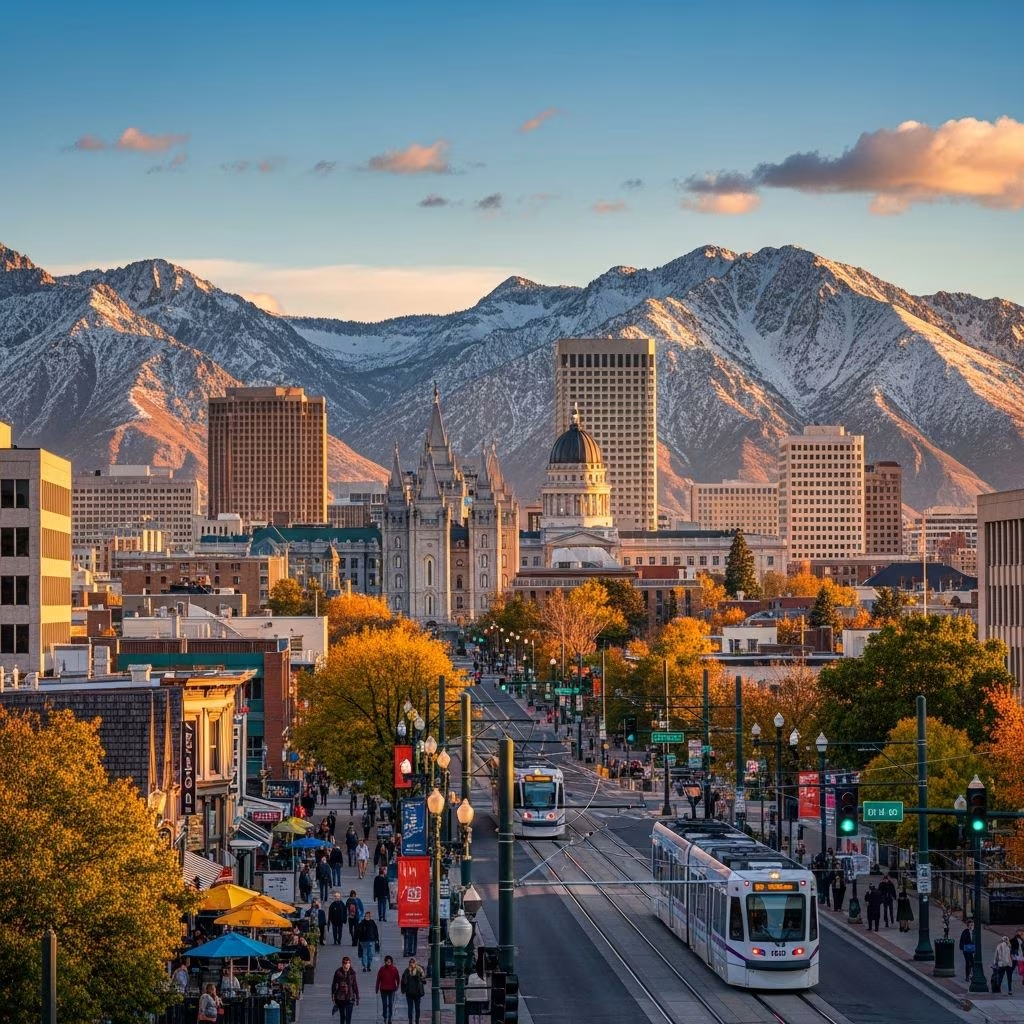
Salt Lake City stands as one of America’s most dynamic destinations, offering visitors a compelling blend of outdoor adventure, cultural richness, and urban vitality. Nestled within the Wasatch Mountains, Utah’s capital provides year-round attractions that appeal to adventure seekers, culture enthusiasts, and families alike. Whether you’re planning a weekend getaway or an extended stay, understanding what this multifaceted city offers ensures a memorable experience.
Salt Lake City’s geography plays a crucial role in shaping visitor experiences. The city sits at approximately 4,226 feet elevation, surrounded by mountain ranges that define its character and recreational opportunities. Downtown serves as the primary hub for cultural institutions, shopping, dining, and entertainment venues. The city’s public transportation system, TRAX, connects major districts and makes navigation straightforward for travelers unfamiliar with the area. Understanding this layout helps visitors maximize their time and energy when exploring different neighborhoods and attractions.
The city’s proximity to outdoor recreation areas means visitors can transition quickly from urban exploration to mountain activities. Multiple neighborhoods, each with distinct character, cater to different visitor interests. This geographic diversity allows for varied itineraries whether your priorities lean toward cultural immersion or outdoor pursuits.
Salt Lake City experiences distinct seasonal variations that significantly impact visitor experiences and available activities. Winter months bring considerable snowfall and cold temperatures, particularly in higher elevations surrounding the city. Late November through March offers world-class skiing at nearby resorts, with some of the greatest snow deposits in North America. Visitors planning winter trips should prepare for temperatures ranging from freezing to well below zero, with appropriate layered clothing essential for comfort and safety.
Spring and summer transform the region into a hiking and mountain biking paradise. Temperatures moderate considerably, making outdoor exploration pleasurable. Fall presents spectacular scenery as foliage changes, creating scenic vistas throughout the surrounding mountains. Each season offers distinct advantages, and choosing your travel dates based on preferred activities ensures optimal experiences.
Downtown Salt Lake City pulses with energy and serves as the epicenter for visitors seeking cultural engagement and urban experiences. This district concentrates the city’s most significant attractions within walkable distances, including major performing arts venues hosting symphony orchestras, ballet companies, opera productions, and Broadway touring shows. The architectural landscape reflects the city’s history, with historic buildings interspersed among modern structures, creating visual interest and multiple photography opportunities.
The downtown area thrives during evening hours, transforming into a vibrant entertainment district. Restaurants ranging from casual to fine dining establishments, galleries featuring contemporary and traditional artwork, and live music venues create an dynamic social scene. Regular festivals celebrate art, music, food, and community culture, providing visitors with opportunities to engage authentically with local residents. The downtown farmers market operates seasonally, offering fresh produce, local goods, and a taste of regional commerce and community gathering traditions.
For visitors prioritizing efficiency, TRAX provides affordable transportation throughout downtown and to outlying districts. The GREENbike bike-sharing program offers another transportation option for those preferring active exploration on two wheels.
Salt Lake City’s cultural infrastructure ranks among the most comprehensive for a city of its size. Major performance venues include Abravanel Hall, Capitol Theater, and the Eccles Theater, collectively hosting world-class productions and attracting performers of international caliber. These venues showcase ballet, opera, symphony performances, and contemporary theater productions, catering to diverse aesthetic preferences.
Visual arts receive substantial support through multiple museum institutions. The Utah Museum of Fine Arts presents collections spanning historical periods and artistic movements. The Utah Museum of Contemporary Art specializes in modern and contemporary works, featuring rotating exhibitions and emerging artist showcases. These institutions provide insight into both established artistic traditions and cutting-edge creative expression.
Smaller galleries throughout downtown neighborhoods offer alternative art experiences, often featuring local and regional artists. Gallery hops and curated walking tours allow visitors to explore the contemporary art scene beyond major institutional venues. This decentralized art community reflects the city’s creative vitality and provides opportunities to discover emerging talent and established local artists.
Salt Lake City’s historical significance extends beyond its role as Utah’s capital. Temple Square represents the most iconic landmark, attracting visitors for its architectural beauty, meticulously maintained gardens, and historical importance to the region’s founding narrative. The site encompasses multiple buildings reflecting various architectural styles and historical periods, creating a comprehensive historical precinct within downtown.
Additional historic landmarks include the Utah State Capitol Building, showcasing neoclassical architecture and offering visitors insights into state governance and architectural heritage. The Salt Lake City and County Building represents Romanesque architectural style and serves as another significant historical landmark. The Roman Catholic Cathedral of the Madeleine provides architectural and religious historical context, illustrating the region’s diverse religious heritage.
These historical sites collectively tell the story of settlement, development, and cultural evolution in the Great Basin region. Visitors interested in historical context benefit from guided tours offered at major sites, providing expert interpretation and detailed historical narratives.
The Natural History Museum of Utah provides comprehensive presentations of the region’s geological and biological heritage. Exhibits explain paleontological discoveries, indigenous peoples’ histories, natural resources supporting regional economies, and unique wildlife species inhabiting Utah’s varied ecosystems. Interactive displays and immersive experiences engage visitors of all ages in understanding environmental science and natural history.
Red Butte Gardens and Arboretum, located in the university campus district, showcases diverse plant collections while providing aesthetic garden experiences. These botanical spaces combine educational purposes with recreational opportunities, offering peaceful environments for reflection and nature appreciation. The gardens’ location adjacent to foothills creates scenic backdrops and opportunities for extended outdoor exploration.
The Bonneville Shoreline Trail represents one of the region’s most significant recreational resources, comprising nearly 100 miles of interconnected trails lacing the foothills immediately behind the city. This extensive trail network accommodates hiking, trail running, and mountain biking at various difficulty levels. For locals and visitors alike, these trails provide accessible outdoor recreation requiring minimal travel time from downtown.
World-class skiing destinations operate within an hour’s drive from the city center, offering some of North America’s most abundant and reliable snowfall. Winter sports enthusiasts can access multiple resorts, each with distinct terrain and amenities. Spring and summer months transform these mountains into hiking destinations with expansive vistas and varying trail difficulties.
Beyond the immediate foothills, Utah’s national parks and geological wonders lie within reasonable driving distances, allowing multi-day outdoor excursions. Visitors with extended time can combine Salt Lake City urban experiences with regional natural attractions.
The Delta Center hosts the Utah Jazz, Salt Lake City’s professional basketball franchise. Attending games provides entertainment and opportunities to experience local sports culture. The venue’s downtown location makes access convenient for visitors using public transportation.
Additional entertainment options include comedy venues, concert halls hosting independent and major touring musicians, and theater productions ranging from professional productions to community performances. This entertainment infrastructure ensures visitors find options matching their preferences and interests.
Salt Lake City’s food scene reflects diverse influences and culinary traditions. Restaurants throughout downtown and neighborhood districts offer cuisines ranging from traditional American fare to international specialties. Casual eateries and fine dining establishments coexist, providing options across budget ranges and preferences. The downtown farmers market offers opportunities to sample local ingredients and artisanal food products during growing seasons.
Specialty food experiences, including chocolate tastings and regional cuisine showcases, provide memorable culinary adventures. Visitors interested in local food culture benefit from exploring neighborhood restaurants and food-focused events throughout the year.
Downtown shopping districts concentrate retail options within walkable areas, featuring clothing boutiques, specialty shops, galleries, and larger retail establishments. Shopping experiences range from independent local businesses to established national retailers, offering diverse merchandise and styles.
Neighborhood shopping areas beyond downtown provide alternative retail experiences, often featuring local businesses and community-oriented commerce. Visitors seeking authentic local products benefit from exploring beyond downtown retail centers.
| Information Category | Details |
|---|---|
| Public Transportation | TRAX light rail system connects downtown with campus districts, foothills access points, and major attractions. GREENbike bike-sharing provides alternative transportation. |
| Best Times to Visit | Winter for skiing (November-March), spring/summer for hiking and outdoor activities (May-September), fall for scenery (September-October). |
| Weather Preparation | Winter requires cold-weather clothing, layers, and snow preparation. Spring/summer needs sun protection and hydration for outdoor activities. |
| Elevation Considerations | At 4,226 feet, visitors from lower elevations may experience mild altitude effects. Hydration and gradual activity escalation recommended. |
First-time visitors benefit from focusing on downtown attractions initially, becoming oriented with the city’s layout and public transportation. This foundation allows subsequent days to explore specialized interests, whether outdoor recreation, cultural institutions, or neighborhood exploration.
Multi-day visits allow deeper engagement with attractions and less rushed experiences. Allocating time for both urban exploration and outdoor activities balances the city’s distinct characteristics. Considering seasonal offerings ensures alignment between planned activities and seasonal availability.
Visitors with extended time should consider day trips to nearby national parks, geological formations, and additional outdoor recreation areas accessible from the city center.
Salt Lake City rewards visitors with diverse experiences accommodating varied interests and preferences. The combination of urban cultural attractions, easily accessible outdoor recreation, and warm local hospitality creates compelling reasons for multiple visits. Whether your priorities center on skiing, cultural engagement, hiking, or urban exploration, Salt Lake City provides substance and variety. Planning according to seasonal considerations, personal interests, and available time ensures your visit maximizes enjoyment and creates lasting memories. The city’s ongoing development and commitment to preserving both cultural heritage and natural surroundings position it as a destination offering both immediate gratification and discovery opportunities throughout successive visits.
