

 Travel Essentials
 Travel Essentials

Discover key insights for traveling to Samoa: from visa rules and island hopping to cultural norms, weather patterns, and must-see attractions like beaches and blowholes.
 Travel Essentials
Samoa, a gem in the South Pacific, beckons with its unspoiled beaches, vibrant Polynesian heritage, and dramatic volcanic landscapes. This guide equips you with critical knowledge to navigate entry requirements, local customs, transportation, health risks, and iconic sites for a rewarding journey.
Travelers to Samoa must secure appropriate entry permissions based on their nationality and purpose. The U.S. Department of State outlines four visa categories: Visitor, Temporary Resident, Permanent Resident, and Ministerial visas. Most visitors qualify for visa-free entry or a visitor visa on arrival for stays up to 60 days, provided they hold a valid passport with at least six months’ validity.
Prepare documentation including proof of onward travel, sufficient funds, and accommodation details. Applications for longer stays or specific purposes require advance submission through Samoan embassies or online portals. Always verify requirements with official sources, as policies can evolve.
Samoa’s tropical climate features warm temperatures year-round, averaging 24-30°C daytime highs and steady sea temperatures around 29°C. The dry season spans May to October, ideal for outdoor pursuits with lower humidity and minimal rainfall. Conversely, November to April brings the wet season, marked by higher precipitation, potential cyclones, and lush greenery.
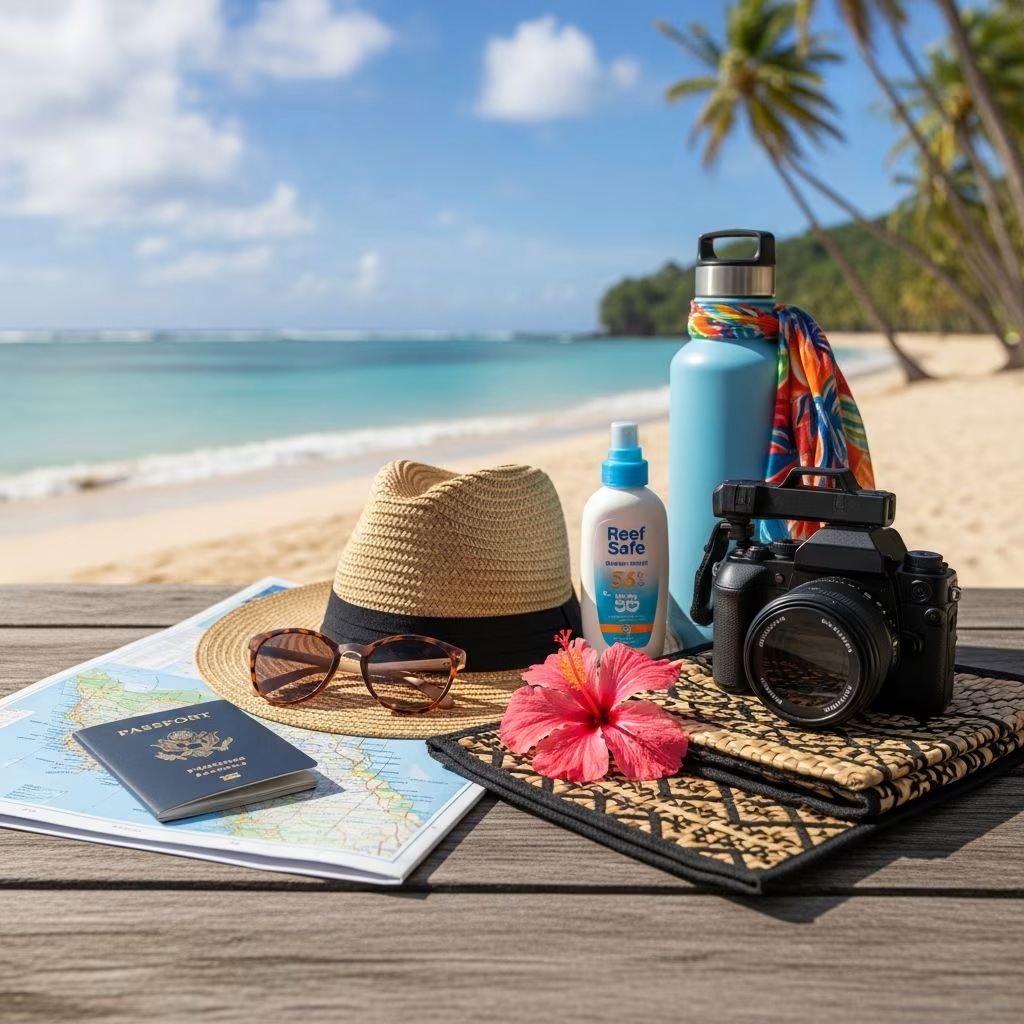
Pack lightweight, breathable clothing, rain gear, and sun protection regardless of season. Samoa lies in the Ring of Fire, prone to seismic activity, earthquakes, and tsunamis, so monitor weather alerts via NOAA or local authorities during monsoon periods.
Samoa’s two main islands, Upolu and Savai’i, plus smaller Manono, form the core of visitor itineraries. Upolu hosts the international airport (Faleolo) and most resorts, concentrated along its southern coast about 90 minutes’ drive from arrival. Savai’i, the larger ‘real Samoa,’ connects via a short ferry ride and showcases raw Polynesian roots with its ring road, rainforests, and volcanic features.
Manono offers a car-free escape in the Apolima Strait, perfect for snorkeling and cultural immersion with village chiefs. Transportation options include buses (aiga buses for locals), taxis, rental cars (drive on the left), or ferries. Roads can be winding and unpaved, especially on Savai’i, so allow extra time and consider guided tours for remote areas.
| Island | Key Features | Travel Time from Airport |
|---|---|---|
| Upolu | Airports, resorts, beaches like Lalomanu | 0-1.5 hours drive |
| Savai’i | Volcanoes, rainforests, blowholes | 1-hour ferry + drive |
| Manono | No cars, beaches, traditions | Ferry from Upolu |
Samoan society revolves around fa’a Samoa, the traditional way of life emphasizing family (aiga), respect for chiefs (matai), and communal harmony. Remove shoes before entering fale (open-air homes), dress modestly (cover shoulders and knees in villages), and seek permission before photographing people or sacred sites.
During fiafia nights, savor umu-cooked feasts and watch wrist-and-ankle dances distinct from hip-focused Polynesian styles elsewhere.
Exercise normal safety precautions in Samoa, but stay vigilant against natural hazards and health risks. Slippery blowholes—lava tubes ejecting seawater—demand distance; never stand between the opening and sea to avoid being swept in. Dengue outbreaks strain healthcare; use insect repellent, long sleeves, and nets, especially post-2026 updates from Australian advisories.
Tap water is generally safe in resorts but boil or filter elsewhere. Petty crime is low, but secure valuables. Natural disasters like cyclones (Nov-Apr) or earthquakes require preparedness—follow local alerts and have evacuation plans.
Samoa’s landscapes rival any Pacific paradise. Lalomanu Beach on Upolu boasts powdery white sands and turquoise lagoons, rarely crowded beyond a handful of visitors. Savai’i’s Alofaaga Blowholes shoot water skyward, while Sale’aula Lava Fields evoke a modern Pompeii from the 1905-1911 Mt. Matavanu eruption, revealing buried villages and a famed ‘virgin grave’.
Adventure seekers love Papaseea Sliding Rocks, natural waterslides carved by erosion, and rainforest canopy walks testing vertigo. Waterfalls abound for self-guided crawls, and Piula Cave Pool offers serene swims amid glowworms. Hike Mount Silisili for volcanic vistas or explore Giant Clam Sanctuaries and Robert Louis Stevenson Museum on Upolu.
Samoan cuisine highlights fresh seafood, taro, breadfruit, and palusami (coconut cream-baked taro leaves). Try oka (raw fish in coconut milk) or to’ona’i Sunday lunches. Fish markets buzz with daily catches, produce stalls overflow with tropical fruits, and handicraft vendors sell woven mats and carvings.
Beach fales provide authentic stays—open-sided thatched huts with mats—often including meals. Hydrate with coconut water or Vailima beer, but limit alcohol in conservative areas.
Currency is Samoan Tala (WST); ATMs are limited outside Apia, so carry cash. Electricity runs on 240V/50Hz with Type I plugs. Mobile coverage is good on Upolu, spotty on Savai’i—get a local SIM. English and Samoan are official languages, easing communication.
May to October offers dry, comfortable weather ideal for beaches and hikes.
Many nationalities get visa-free entry or on arrival for 60 days; check based on passport.
Yes, with normal precautions; low crime but watch natural hazards like blowholes.
Light clothes, reef-safe sunscreen, rain jacket, modest attire for villages, and sturdy shoes for hikes.
Ferries run regularly from Mulifanua; trips take about 1 hour.
Samoa’s cradle-of-Polynesia status thrives on sustainable tourism. Support locals via village stays, guided eco-tours, and avoiding single-use plastics. Leave no trace at fragile sites like lava fields and coral reefs to safeguard this paradise for generations.
