

 Travel Essentials
 Travel Essentials

Your essential guide to exploring San Miguel de Allende's cobblestone streets, art galleries, cultural landmarks, and outdoor adventures in Mexico's highlands.
 Travel Essentials
Nestled in the highland region of Mexico’s Guanajuato state, San Miguel de Allende has emerged as one of the Western Hemisphere’s most sought-after destinations for travelers seeking authentic cultural experiences combined with contemporary comforts. Recognized as a UNESCO World Heritage Site and frequently celebrated in international travel rankings, this colonial gem attracts visitors from around the globe who come to immerse themselves in its historic atmosphere, thriving artistic community, and exceptional culinary scene.
San Miguel de Allende occupies a distinctive position in Mexico’s cultural landscape, representing a convergence of centuries-old Spanish colonial traditions and modern cosmopolitan influences. Located several hours from Mexico City in the central highlands, the city’s elevation and climate create ideal conditions for year-round exploration. The municipality encompasses not only the historic town center but also surrounding agricultural lands and mountain terrain that offer additional recreational opportunities for adventurous visitors.
The city’s reputation as a thriving cultural hub stems from its substantial artist population, which has established over one hundred galleries throughout the urban area. This artistic concentration, combined with the preservation of original colonial architecture, creates an environment where historical authenticity coexists with contemporary creative expression. The demographic composition includes long-term expatriate residents, seasonal visitors, and indigenous Mexican families, generating a multicultural community dynamic that distinguishes San Miguel from other colonial towns.
Planning your San Miguel de Allende journey requires consideration of seasonal weather patterns and cultural events. The most favorable period for visitation occurs between November and April, when daytime temperatures range from 21°C to 26°C (70–79°F), providing comfortable conditions for extended walking exploration. During these months, you’ll experience sunny days with lower humidity levels and minimal rainfall, making outdoor activities particularly enjoyable.
It’s important to note that nighttime temperatures during the cooler season can drop significantly, so packing layers proves essential for comfort during evening activities and early morning explorations. The shoulder seasons of May and October offer fewer crowds and lower accommodation costs, though afternoon thunderstorms become more frequent. The summer monsoon season brings daily precipitation that can limit outdoor activities, while humidity levels increase substantially.
San Miguel de Allende’s compact size—measuring just a few square kilometers—makes pedestrian exploration the optimal method for experiencing the city’s character and charm. The historic center features narrow cobblestone streets designed for foot traffic, with elevations that vary considerably throughout the municipality. Most major attractions, restaurants, and shopping venues cluster within a twenty-minute walk of the central plaza, making the entire downtown area accessible without motorized transport.
For visitors with mobility limitations or those seeking faster transit between distant attractions, several transportation options exist. Uber services operate reliably throughout the city, offering affordable rates comparable to those in major metropolitan areas. Traditional taxi services also function throughout San Miguel, though drivers typically accept only Mexican pesos in cash rather than credit cards. For day trips to surrounding attractions like botanical gardens or peripheral art complexes, organized tours often include transportation as part of their offerings.
Essential Travel Tip: Wear comfortable, well-broken-in walking shoes with good ankle support. The combination of uneven cobblestones and significant elevation changes throughout the city can be physically demanding, particularly during warm afternoon hours. Bring water, sunscreen, and a hat to protect against intense highland sun exposure.
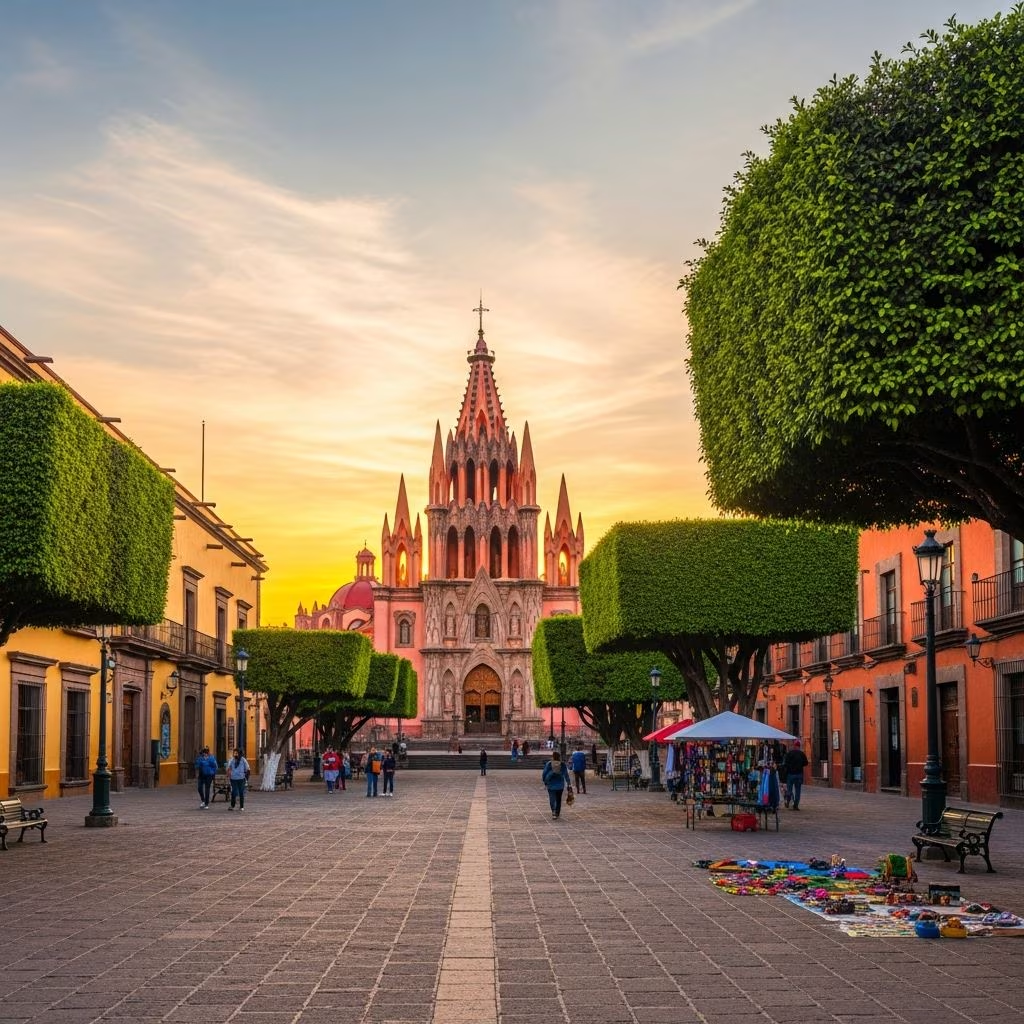
The Parroquia de San Miguel Arcángel stands as the most recognizable structure in the city, functioning as both an active place of worship and the primary symbol featured in promotional photography. This seventeenth-century neo-gothic parish church displays distinctive rose-pink facade coloring and architectural elements that dominate the city’s skyline. Visitors can observe the structure’s impressive exterior from surrounding plazas throughout the day, while interior access requires timing visits to coincide with non-service hours. The church serves as the focal point for evening gatherings, where local residents and tourists congregate to observe traditional celebrations and cultural performances.
El Mirador offers commanding perspectives of San Miguel’s residential quarters, revealing the architectural diversity and topography that characterize the urban landscape. Positioned atop a hillside overlooking the downtown area, this viewpoint becomes particularly crowded during sunset hours when atmospheric light transforms the cityscape into warm golden tones. Visitors can ascend via taxi transportation and then descend gradually on foot through residential neighborhoods, providing an alternative perspective on the city’s architecture and street-level atmosphere.
Fábrica La Aurora represents a significant example of adaptive reuse in architectural preservation, transforming a defunct textile manufacturing facility into a thriving creative community. This expansive complex houses artist studios, independent galleries, boutique shops, and casual dining establishments spread throughout multiple interior courtyards and connected passages. Visitors can spend entire afternoons wandering through the facility, discovering emerging artists’ work, established galleries, and unique merchandise unavailable in commercial retail settings. The adjacent Geek & Coffee café provides an ideal starting point for exploration, offering breakfast items, specialty beverages, and child-friendly amenities including outdoor play areas.
The Charco del Ingenio Botanic Gardens provide ecological respite from urban exploration, preserving native vegetation and wildlife habitats within the surrounding highlands. This protected area encompasses designated walking paths, viewpoints overlooking canyon formations, and thematic garden sections featuring indigenous plant species. The gardens function as both a conservation area and recreational destination, offering opportunities for wildlife observation, photography, and peaceful contemplation away from downtown commercial activity.
The Biblioteca Pública de San Miguel de Allende extends far beyond its primary function as a book repository, operating as a comprehensive cultural center. Housed within a historic colonial building, the library features exhibition galleries displaying contemporary art installations, performance spaces hosting live music and theatrical productions, and peaceful courtyards decorated with colorful murals. The venue regularly schedules films, lectures, and community events that celebrate Mexican artistic traditions and provide insights into local creative practices.
La Esquina: Museo del Juguete Popular Mexicano showcases Mexico’s traditional toy-making heritage through its collection of handcrafted wooden, tin, and textile playthings. This specialized museum preserves manufacturing techniques and design aesthetics spanning generations of Mexican artisan communities. The exhibits appeal to visitors of all ages, offering nostalgic entertainment for adults while educating younger visitors about cultural heritage and traditional craftsmanship.
San Miguel de Allende’s food culture reflects both traditional Mexican regional cooking and contemporary international influences introduced by the expatriate community. Professional cooking classes offer hands-on instruction in preparation of classic dishes including mole—the complex sauce requiring multiple ingredients and extended cooking time—alongside salsa preparation and Mexican rice techniques. These classes typically conclude with communal meals featuring wine or beverage pairings, providing both culinary education and cultural immersion.
Organized walking tours focused on regional cuisine guide visitors through downtown neighborhoods, introducing local food vendors, traditional preparation methods, and distinctive flavors characteristic of Guanajuato state cooking. These experiences encompass street food sampling, formal restaurant dining, and visits to markets where local producers sell fresh ingredients.
| Activity Type | Duration | Experience Focus |
|---|---|---|
| Historical Walking Tours | 2 hours | Colonial architecture, heritage sites, expert historical context |
| Wine Tasting Experiences | 3 hours | Regional vineyard tours, artisanal cheese pairings, winemaking education |
| Horseback Canyon Rides | 3-4 hours | Mountain landscapes, sunset photography, rural countryside exploration |
| Hot Air Balloon Excursions | 3-4 hours | Aerial perspectives, dawn experiences, landscape photography |
| Art Workshop Classes | Varies | Painting, sculpture, photography, mixed media instruction |
Beyond traditional walking exploration, San Miguel de Allende offers specialized experiences for visitors seeking distinctive activities. Horseback riding expeditions venture into the surrounding mountainous terrain, revealing rural landscapes and agricultural practices characteristic of the highland region. These guided experiences typically depart from rural properties located approximately twenty minutes outside the downtown core, with professional guides ensuring safety and comfort throughout the journey.
Hot air balloon excursions provide aerial perspectives of the colonial city and surrounding landscape, typically departing during early morning hours when atmospheric conditions prove optimal. Participants ascend above the urban area to observe architectural patterns, topography, and expansive highland vistas before descending for celebratory beverages and refreshments.
With over one hundred galleries operating throughout San Miguel de Allende, visitors can spend extended periods browsing contemporary Mexican art, traditional handicrafts, and international contemporary work. Gallery concentrations exist both within downtown plazas and along residential neighborhoods, with many venues featuring rotating exhibitions showcasing emerging artists. Shopping districts extend beyond galleries to include boutique clothing retailers, jewelry specialists, home furnishings shops, and artisan markets.
Spontaneous exploration of narrow side streets frequently yields unexpected discoveries—hole-in-the-wall cafés, neighborhood galleries, and family-operated craft workshops that rarely appear in mainstream travel literature. This organic discovery process constitutes one of San Miguel de Allende’s most valued experiences, with visitors appreciating the freedom to wander without predetermined itineraries.
A three-day visit provides sufficient time to explore downtown attractions, visit the Fábrica La Aurora complex, and undertake day excursions to nearby attractions such as regional wineries or the botanical gardens. Visitors interested in deeper artistic engagement, cooking instruction, or horseback expeditions should plan five to seven days. Extended stays of two weeks or longer appeal to those seeking substantial cultural immersion, language study, or creative workshops.
While credit cards function at major hotels, restaurants, and organized tour operators, many smaller businesses, street vendors, and traditional taxi services require Mexican pesos in cash. ATM machines throughout downtown provide convenient currency exchange at competitive rates. Carrying a combination of cash and cards provides maximum flexibility for varied spending scenarios.
Many visitors begin their days with early morning café visits in the main plaza, observing local residents as shops and markets open for business. Midday typically incorporates leisurely lunch at restaurants with rooftop dining areas offering city views. Afternoon hours prove ideal for gallery visits and shopping when downtown crowds disperse. Evenings frequently feature live music performances, traditional puppet gatherings at the main church plaza, and dinner service at family-operated restaurants.
San Miguel de Allende appeals to diverse visitor motivations—artistic inspiration, cultural education, culinary adventure, historical exploration, or simple relaxation within a visually stunning environment. The city accommodates varied travel styles, from structured organized tours to spontaneous street wandering. Whether spending three intense days or extended months, visitors typically discover that San Miguel de Allende’s genuine appeal transcends its Instagram-worthy aesthetics, offering instead authentic human connections, creative inspiration, and memorable experiences that justify its international reputation as an exceptional destination.
