

 Travel Essentials
 Travel Essentials

Explore Santiago's best independent boutiques across Barrio Italia, Lastarria, and Vitacura neighborhoods. Find unique fashion, local design, and artisan crafts.
 Travel Essentials
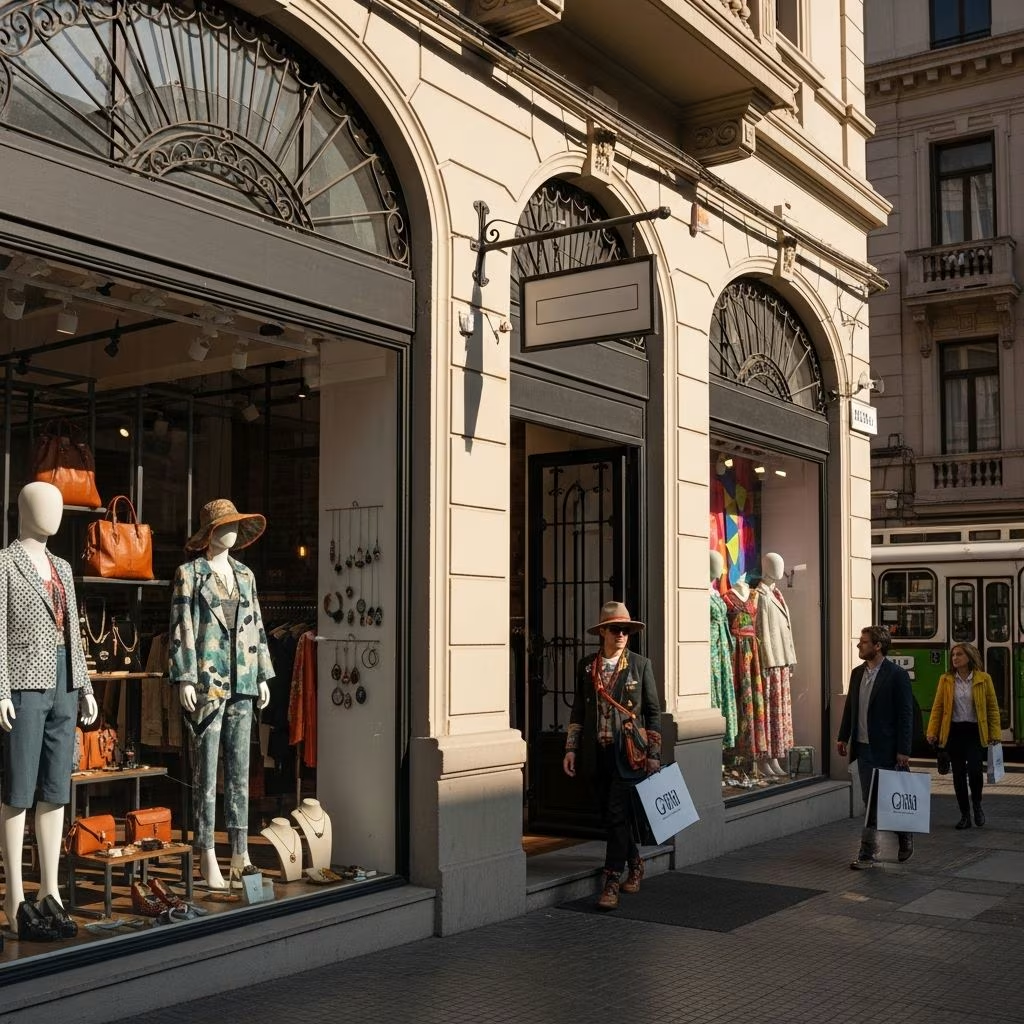
Santiago, Chile’s vibrant capital, has established itself as a sophisticated shopping destination that extends far beyond conventional mall experiences. The city’s boutique landscape reflects a dynamic blend of established luxury retailers, emerging independent designers, and artisan crafts that showcase both international sophistication and distinctly Chilean character. Whether you’re seeking high-end fashion, locally produced goods, or one-of-a-kind artistic pieces, Santiago’s neighborhood shopping districts offer a curated selection that rewards the discerning traveler.
Santiago’s most compelling shopping experiences concentrate around three primary neighborhoods, each with its own distinctive identity and merchant offerings. Understanding these distinct areas helps travelers navigate the city’s retail landscape strategically and discover pieces that align with their personal aesthetics.
Positioned as one of Santiago’s most recognizable shopping destinations, Barrio Italia has earned its reputation as a hub for both established and emerging designers. This neighborhood attracts those seeking pieces that balance contemporary style with artisanal quality. The district houses independent fashion boutiques, vintage furniture galleries, and art spaces that collectively create an atmosphere of creative discovery.
What distinguishes Barrio Italia from mass-market retail environments is its commitment to curated selections and limited production runs. Local artisans and small-scale designers operate alongside established brands, creating a shopping environment where each visit yields different treasures. The neighborhood’s café culture and restaurant scene complement the retail experience, encouraging visitors to spend extended time browsing and discovering hidden gems.
Lastarria represents Santiago’s more bohemian shopping aesthetic, where galleries, independent boutiques, and cultural institutions intermingle. This neighborhood appeals particularly to travelers seeking artistic pieces, unique accessories, and fashion that reflects creative vision rather than commercial trends. The district functions simultaneously as a shopping destination and cultural experience, with galleries and boutiques often showcasing works by regional artists.
The shopping experience in Lastarria emphasizes individual expression and artistic merit. Boutique owners frequently curate inventories that reflect personal aesthetic philosophies, resulting in collections that diverge significantly from mainstream retail offerings. This neighborhood particularly attracts travelers interested in supporting local artists and acquiring pieces with genuine creative provenance.
Vitacura establishes itself as Santiago’s premier luxury shopping district, where sophisticated retailers and high-end international brands cluster along primary shopping corridors. The neighborhood caters to clientele seeking established designer names, luxury goods, and refined retail experiences. Boutiques in this area emphasize premium positioning, exclusive collections, and personalized service standards.
The Vitacura shopping experience reflects contemporary luxury retail principles: carefully curated environments, limited inventory of premium goods, and staff expertise that facilitates informed purchasing decisions. While the district features international luxury brands, it also houses boutiques representing accomplished Chilean designers who command premium positioning through exceptional craftsmanship and design innovation.
Santiago’s boutique landscape includes substantial offerings of handcrafted items that reflect Chile’s rich artisanal traditions. These establishments differentiate themselves through direct relationships with craftspeople, emphasis on traditional techniques, and commitment to preserving cultural heritage through contemporary commercial activity.
Artisanal boutiques stock items including hand-woven textiles from regional indigenous communities, clay pottery, silver jewelry crafted using traditional metalworking methods, and hand-carved woodwork. The presence of these specialty retailers represents more than commercial opportunity; these spaces function as cultural preservation venues that maintain demand for traditional skills while providing artisans with sustainable economic pathways.
Contemporary furniture and home design boutiques have proliferated throughout Santiago’s shopping districts, reflecting growing interest in functional aesthetics and sustainable design practices. These retailers emphasize clean lines, natural materials, and production methods that balance contemporary sensibilities with traditional craftsmanship.
Furniture boutiques specializing in Chilean materials, particularly lenga wood, represent a distinctive category within the city’s retail landscape. These establishments celebrate regional materials through thoughtful design that respects wood grain and natural characteristics while achieving refined, minimal silhouettes. Such retailers appeal to travelers seeking functional art pieces and home accessories that maintain connections to Chilean cultural and environmental contexts.
The fashion boutique sector encompasses an expansive range from emerging independent designers to established Chilean fashion professionals. These retailers range from specialty stores focused on distinct market segments to comprehensive boutiques offering diverse apparel categories and accessory collections.
Independent fashion boutiques frequently emphasize limited production runs, distinctive design perspectives, and personal relationships with design creators. Many Chilean fashion entrepreneurs have developed substantial local followings through distinctive aesthetic positions and commitment to quality production standards, differentiating their offerings from international mass-market alternatives.
Strategic weekend shopping in Santiago benefits from concentrated neighborhood exploration rather than dispersed mall visits. A typical weekend itinerary might begin in Barrio Italia during morning hours, when boutiques are freshly stocked and crowds remain minimal. Subsequent afternoon hours allow for transitions to adjacent Lastarria, where cultural attractions and restaurants enhance the overall experience beyond purely retail objectives.
This concentrated approach maximizes serendipitous discoveries and enables meaningful engagement with boutique owners who often possess extensive knowledge about their merchandise and the local design community. Weekend shopping also facilitates encounters with pop-up vendors and temporary market stalls that enhance the neighborhood atmosphere.
Effective boutique shopping in Santiago requires understanding the distinctions between luxury retail environments and independent designer spaces. Luxury districts like central Vitacura along Alonso de Córdova offer established international brands and renowned Chilean designers operating within premium positioning frameworks. These spaces emphasize professional service, controlled inventory, and price points reflecting brand reputation and exclusivity.
Independent boutiques, concentrated more heavily in Barrio Italia and Lastarria, often feature younger designers, experimental aesthetic approaches, and price points reflecting direct production costs rather than established brand premiums. Understanding these distinctions allows travelers to align shopping objectives with appropriate environments and realistic budget parameters.
Santiago’s boutique retail extends substantially into specialized food and beverage categories. These establishments often occupy historic structures and emphasize regional Chilean products, artisanal production methods, and cultural significance alongside commercial function. Such venues provide opportunities to acquire authentic local products unavailable in international markets while supporting small-scale producers.
Food-focused boutiques stock items including regionally produced cured meats, artisanal jams, pickled vegetables, smoked salmon, dried nuts and fruits, and boutique wine selections. Many travelers find these venues particularly valuable for gift procurement and personal supply of authentic Chilean products that extend the sensory experience of visiting beyond the travel period itself.
Specialized boutiques focused on books, art, and cultural products represent another substantial segment of Santiago’s retail landscape. These retailers serve both local markets and tourist populations, offering Spanish-language literature, contemporary art, and cultural artifacts that document Chilean creative expression.
Art-focused boutiques frequently feature works by regional artists, gallery exhibitions, and curatorial perspectives that engage with contemporary aesthetic discourse. Such venues function simultaneously as retail spaces and cultural institutions, contributing to broader Santiago artistic communities while providing travelers with access to emerging creative voices.
| Shopping District | Primary Characteristics | Best For | Typical Pricing Range |
|---|---|---|---|
| Barrio Italia | Designer boutiques, vintage furniture, galleries | Contemporary design, eclectic finds | Moderate to Premium |
| Lastarria | Artistic pieces, cultural venues, independent design | Unique accessories, artistic expression | Moderate |
| Vitacura (Alonso de Córdova) | Luxury brands, high-end retailers, designer boutiques | Premium fashion, luxury goods | Premium to Luxury |
| Providencia (Drugstore area) | Bookstores, design shops, independent retailers | Books, original gifts, niche products | Moderate |
Most Santiago boutiques maintain consistent operating hours from approximately 10:00 AM to 9:00 PM during regular business days, though weekend schedules may vary. Neighborhood boutiques occasionally operate abbreviated hours or close on Sundays, making weekday shopping advisable for specific item targets. Public transportation connections to primary shopping districts are well-developed, with metro stations providing convenient access to most retail areas.
Major boutiques accept both Chilean pesos and international credit cards, though independent retailers may prefer local currency. Currency exchange rates at specialized exchange establishments typically offer more favorable terms than retail establishment currency conversion services. Travelers should verify individual boutique payment policies, particularly for smaller independent retailers that may operate cash-only transactions.
Santiago’s shopping seasons align with Southern Hemisphere retail calendars, with major sales events occurring during different periods than Northern Hemisphere retail environments. Summer months (December through February) bring increased tourist populations and occasional store closures as business owners take extended holiday periods. Shoulder seasons (March through May and September through November) typically offer optimal conditions for boutique shopping, with manageable crowds and full inventory availability.
Independent boutiques frequently feature seasonal collections and rotating inventory, making return visits valuable for discovering different merchandise selections. Building relationships with boutique owners through repeat visits often yields advance notification of new arrivals and exclusive access to limited collections.
Weekday mornings, particularly Tuesday through Thursday, typically offer the least crowded shopping conditions and optimal staff availability for consultations. Weekend mornings present good alternatives, though early afternoon hours become increasingly congested. Seasonal shoulder periods (March-May and September-November) provide the most balanced conditions for comprehensive boutique exploration.
Established boutiques and luxury retailers maintain fixed pricing policies, though sales and seasonal discounts occur at predictable intervals. Independent retailers and artisanal vendors operating through market stalls or smaller establishments may be more flexible regarding pricing, particularly for multiple item purchases or extended engagement.
Larger established boutiques typically offer international shipping services, though costs and delivery timelines vary substantially. Independent retailers and small artisanal workshops may lack established shipping protocols, necessitating direct inquiry regarding international fulfillment possibilities. Many travelers opt to carry smaller purchases as luggage additions rather than arranging independent shipping.
Artisanal products including textiles, pottery, and silver jewelry generally represent strong value when purchased directly from producer-retailers or specialized artisanal boutiques. Chilean wines, regional specialty foods, and handcrafted items offer distinctive value propositions unavailable in international markets at comparable quality levels.
Boutique neighborhoods emphasize discovery, individual merchant curation, and direct engagement with creative professionals. Shopping experiences in districts like Barrio Italia and Lastarria involve serendipitous discoveries and personal relationships with retailers. Conversely, major shopping malls offer comprehensive brand collections, consistent experience standards, and entertainment amenities beyond purely retail functions.
Successful boutique shopping in Santiago requires clarity regarding personal aesthetic preferences and budget parameters. Travelers should establish baseline familiarity with preferred brands, design aesthetics, and price points before engaging in extended neighborhood exploration. This preparation facilitates more efficient discovery and reduces time spent in environments misaligned with personal shopping objectives.
Consider establishing shopping objectives beyond purely acquisitive goals. Many travelers find that engagement with local designers, artisans, and cultural producers yields memorable experiences and authentic connections extending far beyond transactional interactions. Building such relationships often results in recommendations for additional venues, emerging designers, and hidden retail gems unknown to guidebook sources.
Santiago’s boutique retail landscape continues evolving as emerging designers establish venues, established retailers expand operations, and cultural preservation efforts sustain traditional artisanal production. Regular visits by repeat travelers consistently yield different discoveries, suggesting that comprehensive boutique exploration requires multiple city visits and sustained engagement with neighborhood communities.
