

 Travel Essentials
 Travel Essentials

Discover all transportation methods available in Santorini, from affordable public buses to car rentals, helping you navigate the island efficiently.
 Travel Essentials
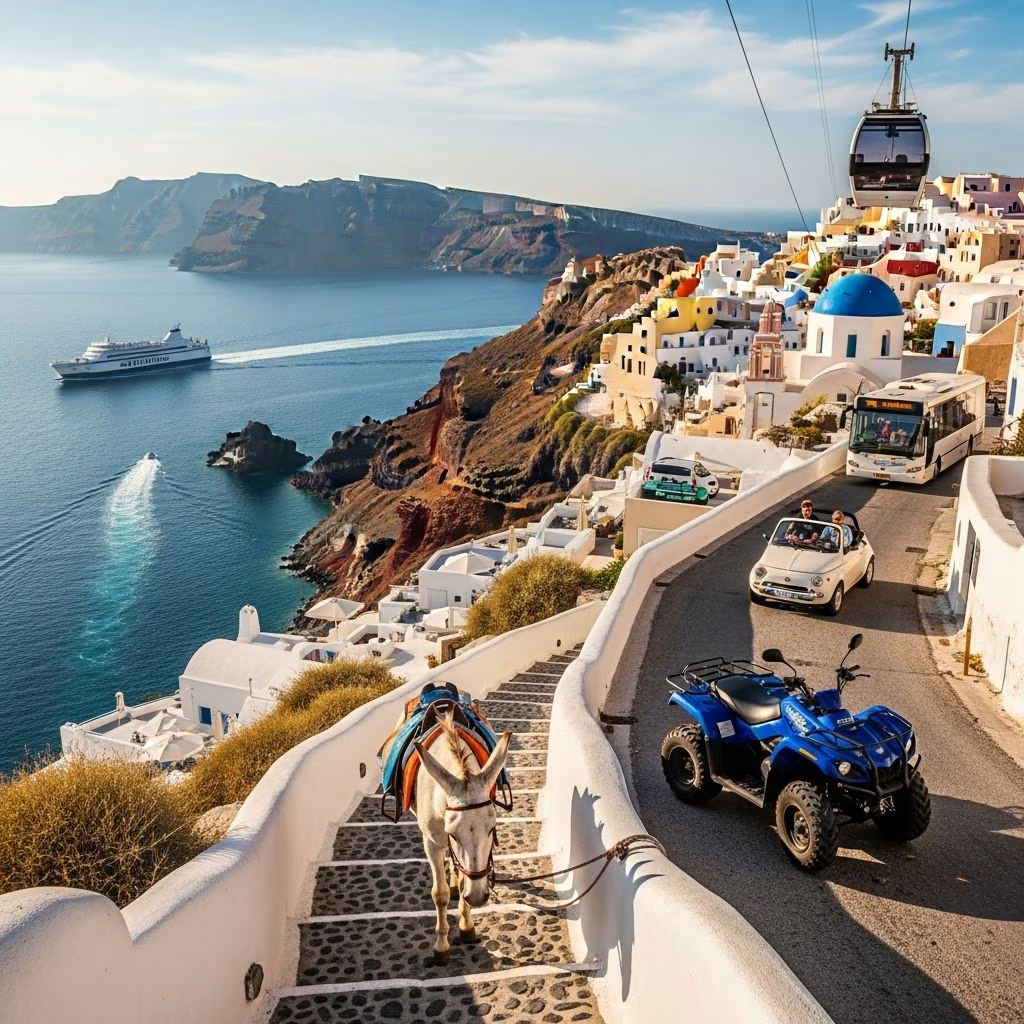
Santorini, despite its dramatic cliffsides and winding roads, offers multiple practical ways to traverse the island without requiring extensive planning or budget concerns. Whether you’re seeking budget-friendly options, maximum flexibility, or convenient point-to-point service, the island accommodates various travel styles and preferences. Understanding the transportation landscape allows visitors to make informed decisions that align with their itinerary and comfort level.
The approach you choose for moving around Santorini depends significantly on your travel style and priorities. Travelers focused on minimizing costs will find public transit particularly appealing, while those valuing spontaneity and independence often prefer vehicle rentals. Adventure seekers might combine multiple methods throughout their stay. The island’s compact size means no journey takes considerably longer than 30 to 40 minutes, allowing even those with limited mobility concerns to explore multiple locations in a single day.
Several factors should influence your decision: the number of people in your group, whether you’re traveling with luggage or equipment, your comfort level with narrow mountain roads, and your preferred pace of exploration. Understanding these transportation categories helps clarify which options suit your specific circumstances.
The KTEL national bus collective operates Santorini’s comprehensive public transportation system, providing connections throughout the island at remarkably low fares. Adult tickets typically range from €2.20 to €2.80 depending on distance traveled, with night services (operating between 12:30 AM and 7:00 AM) costing between €2.50 and €3.10. This affordability makes buses the preferred option for budget-conscious travelers and those without vehicle preferences.
Service frequency varies by season and route. During peak summer months (late June through early September), buses connecting major caldera villages such as Fira, Firostefani, Imerovigli, and Oia depart approximately every 20 to 30 minutes throughout the day. Secondary routes serving beaches and smaller settlements operate at roughly 30-minute to one-hour intervals during high season. Spring and autumn maintain reasonable frequency, though service reduces during winter months.
All bus routes in Santorini operate through a central hub-and-spoke model with Fira serving as the primary nexus. This design means traveling between any two non-Fira locations requires two separate journeys with two separate tickets. For instance, journeying from Oia to Kamari necessitates first traveling to Fira, then transferring to the Kamari-bound bus. While this system may seem inefficient initially, it actually simplifies navigation once understood, as all routes begin and end at the Fira central station.
Passengers should note that buses serving the Athinios Ferry Port adjust schedules based on ferry arrivals and departures, with more frequent service during busy tourist seasons. The timetable changes daily and is typically posted at the Fira station the day before departure.
Modern Santorini buses feature air conditioning, cleanliness, and substantial luggage storage compartments located underneath the vehicle. These features make buses suitable for travelers with baggage needs. However, during summer peak hours, particularly midday and around sunset, buses experience heavy crowding as demand frequently exceeds seating capacity. Visitors may encounter wait times during these periods.
One notable limitation involves accessibility. The buses feature narrow entry doors designed for long-distance coach services rather than frequent short-distance urban travel, which can complicate boarding during crowded periods. Additionally, wheelchair accessibility remains very limited within the public bus system.
Car and motorbike rentals provide maximum autonomy for exploring Santorini at your preferred pace. Vehicles can be arranged immediately upon arrival at either the airport or ferry port, with numerous rental agencies operating at both locations. This option particularly appeals to travelers planning to visit multiple beaches, archaeological sites, or lesser-known viewpoints not served by regular bus routes.
Travelers choose between several vehicle types based on group size and comfort preferences. Full-size cars work best for families or larger groups, offering space for passengers and luggage. Motorbikes and ATVs provide enhanced maneuverability on Santorini’s narrow, winding roads while requiring less parking space. Scooters represent the most compact and fuel-efficient option for solo travelers or couples.
Seasonal pricing fluctuations significantly impact rental costs. During the high season (July and August), rental fees increase substantially, sometimes doubling or tripling spring and autumn rates. Budget travelers might consider visiting during shoulder seasons to reduce vehicle rental expenses.
Parking availability presents perhaps the most significant challenge when renting vehicles in Santorini. Both Oia and Fira experience severely limited parking during peak hours, particularly between midday and sunset hours when tourist congestion peaks. Arriving early in the day or visiting these popular locations outside peak hours improves parking prospects.
The island’s infrastructure includes narrow, steep roads with frequent hairpin turns and minimal shoulders. While these routes deliver spectacular scenery, they demand careful driving and confidence navigating challenging terrain. International drivers should ensure their vehicle insurance covers the Greek locations and road conditions.
Santorini maintains a limited taxi fleet of approximately 39 vehicles, creating availability challenges during peak tourism periods. Wait times increase significantly during cruise ship arrivals and sunset hours when numerous visitors seek transportation simultaneously. Pre-booking taxis through your accommodation or tour operator offers greater reliability than attempting to hail vehicles street-side during busy periods.
Private transfer services provide superior convenience compared to standard taxis, particularly for airport or ferry port arrivals. Having transportation pre-arranged eliminates wait times and navigates the stress of coordinating transport while managing luggage. These services prove especially valuable after lengthy ferry journeys or for visitors planning direct transfers to specific beach clubs or tour meeting points.
Ferries connect Santorini to numerous other Aegean destinations and Athens, where Greece’s primary international airport operates. This transportation method matters for visitors arriving in Athens or wishing to explore neighboring islands. Ferry schedules vary seasonally, with increased frequency during summer months and reduced service during winter. The Athinios Ferry Port sits beneath steep cliffs, necessitating advance arrangement of ground transportation to reach your accommodation.
The airport sits approximately 10 to 20 minutes from Fira depending on traffic conditions and specific destination. Multiple transportation methods operate from the terminal including taxi services, car rental agencies, and pre-arranged private transfer desks. Advance booking of private transfers through your accommodation ensures immediate ground transportation upon arrival without waiting for other passengers or negotiating fares during jet lag.
The ferry port’s location beneath dramatic sea cliffs creates unique transportation requirements. Public buses operate from the port, offering economical connections to major towns. However, arranging transportation in advance is recommended, particularly for visitors carrying substantial luggage or arriving during busy periods. Private transfer services provide maximum comfort after extended ferry journeys and eliminate confusion about bus schedules in an unfamiliar location.
| Transportation Method | Cost Range | Flexibility | Convenience | Best For |
|---|---|---|---|---|
| Public Buses | €2.20–€2.80 | Low | Moderate | Budget travelers, predetermined routes |
| Car Rental | €40–€100+/day | Very High | High | Groups, beach hopping, scenic drives |
| Motorbike/Scooter | €20–€60/day | Very High | Moderate | Experienced riders, compact parking |
| Taxis | €15–€40 per ride | Moderate | High | Shorter distances, luggage transport |
| Private Transfers | €50–€150+ | Low | Very High | Airport/port arrivals, stress-free travel |
Santorini’s transportation infrastructure adapts to dramatic seasonal shifts in visitor volume. Summer months (late June through early September) bring maximum service frequency, expanded bus routes, and numerous vehicle rental options. However, this increased availability comes with correspondingly higher rental costs and more challenging conditions including severe crowding on buses and limited parking availability in popular areas.
Spring and autumn provide balanced conditions with reasonable service frequency and moderate pricing. Winter transportation remains functional but with reduced bus frequency and fewer vehicle rental options. Travelers visiting during shoulder seasons enjoy improved parking opportunities and shorter wait times for taxis and public transit.
Santorini presents accessibility challenges for visitors with mobility limitations. Public buses lack wheelchair access, and taxis similarly cannot accommodate wheelchairs or mobility devices. The island’s infrastructure features abundant steep stone stairs, narrow pathways, and significant elevation changes throughout popular tourist areas. Visitors with mobility concerns should arrange private transfers and select accommodations with elevator access and ground-level entrances. Planning activities in less crowded areas and timing visits outside peak hours can improve overall accessibility during your stay.
Pre-booking 24 to 48 hours before arrival ensures vehicle availability and allows drivers to account for your specific flight or ferry times. Booking through your accommodation simplifies communication and guarantees reliability.
Rental costs increase substantially during July and August. If your plans involve multiple beaches, archaeological sites, or specific viewpoints, vehicle independence justifies the expense. For those staying in one village and using buses for occasional trips, public transit proves more economical.
Night buses operate sporadically between 12:30 AM and 7:00 AM with slightly elevated fares. Missing last buses typically requires taxi services, which become expensive during nighttime hours. Planning evening activities with return transportation in mind prevents this situation.
Santorini’s narrow, winding roads with steep grades challenge less experienced riders. If motorbike rental appeals to you, ensure sufficient riding experience and confidence navigating challenging terrain. Alternatively, consider car rentals or public transit for safer travel.
KTEL buses typically operate on individual journey tickets rather than passes. Verify current ticketing options at the Fira central station upon arrival, as policies may have evolved.
Santorini’s transportation ecosystem accommodates diverse travel preferences and budgets through multiple viable options. Budget-focused travelers will maximize public buses despite occasional crowding and hub-dependent routing. Those seeking independence and flexibility justify vehicle rental costs despite seasonal price increases and parking challenges. Visitors prioritizing convenience and stress-free travel benefit from private transfer arrangements. The island’s compact size means no transportation method dramatically limits exploration potential—thoughtful selection simply optimizes your experience based on personal priorities and circumstances.
