


 Food & Culture
Food & Culture
Sanuki Udon in Kagawa: Japan’s Chewy Noodle Capital
Explore Kagawa's Sanuki udon culture: from its firm texture and simple ingredients to hands-on making experiences and top eateries across Shikoku.
 Food & Culture
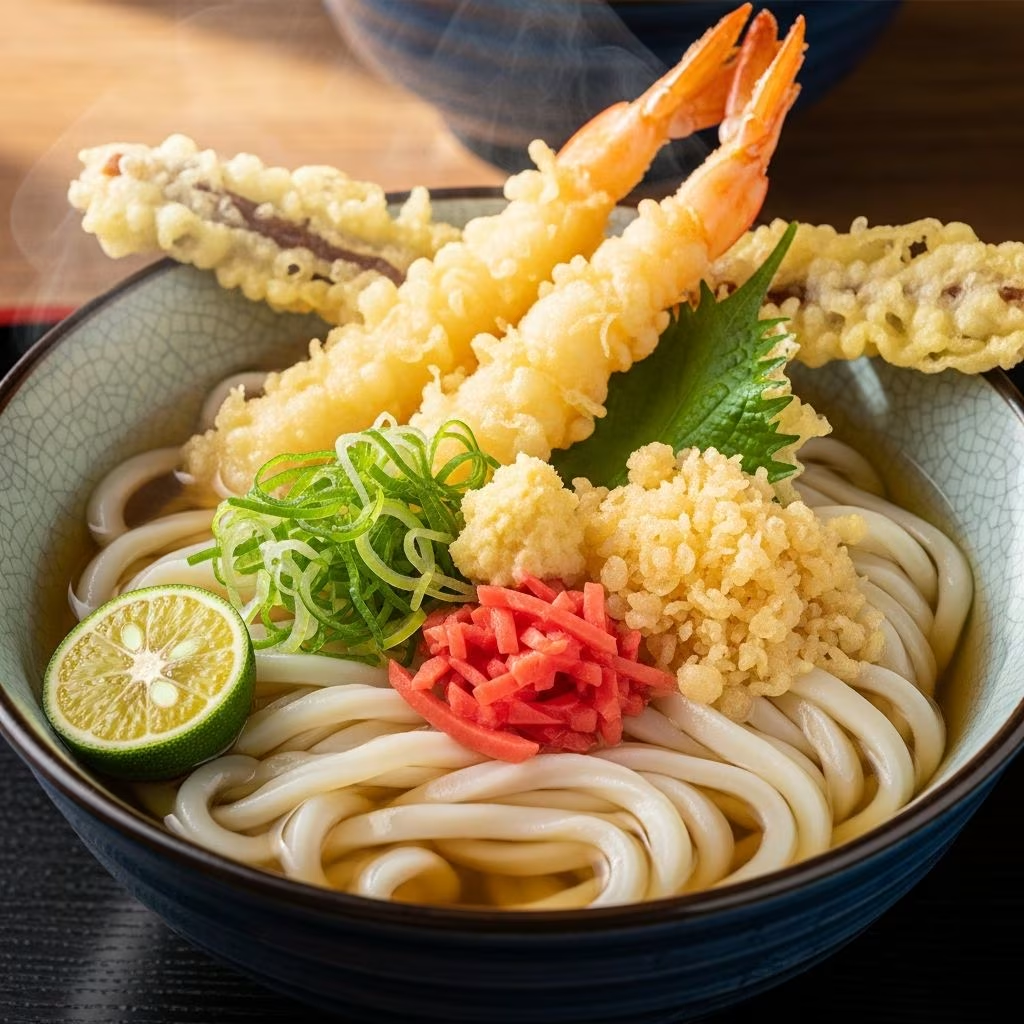
Thick, springy noodles dunked in savory broth define Sanuki udon, the pride of Kagawa Prefecture on Japan’s Shikoku island. Known for their **al dente** chewiness, these wheat-based delights have turned Kagawa into Japan’s udon epicenter, boasting over 700 shops and drawing crowds from across the nation.
The Rise of Udon Prefecture
Kagawa earns its nickname “Udon-ken” through unmatched production and consumption. While udon exists nationwide, Sanuki style reigns supreme here with its square-cut strands that hold firm against chopsticks. Historical roots trace back centuries, possibly from 8th-century Chinese influences, with early depictions in 1700s art showing local eateries.
Today, the region’s climate influences noodle quality—humidity and temperature dictate flour-to-water ratios for that signature bounce. Kagawa tops Japan in udon output, fueling a tourist boom where visitors queue for breakfast bowls before shops sell out.
What Makes Sanuki Udon Unique
Sanuki udon starts simple: wheat flour, salt, and water kneaded into elastic dough. The result? Noodles with a **supple yet firm** texture, contrasting softer varieties elsewhere. Broths shine too, often dashi from local fish like sardines, accented by citrus or raw egg yolk for silky richness.
| Udon Style | Texture | Key Feature | Region |
|---|---|---|---|
| Sanuki | Firm, chewy | Square-cut, al dente | Kagawa, Shikoku |
| Inaniwa | Smooth, thin | Imperial delicacy | Akita |
| Standard | Soft | Versatile toppings | Nationwide |
This table highlights Sanuki’s distinct profile amid Japan’s udon diversity.
Step-by-Step: Crafting Your Own Sanuki Udon
Hands-on workshops in Kagawa let visitors master the art, taking about an hour. Begin by mixing salt water into flour until creamy, then knead vigorously.
- Mix dough: Combine flour, water, salt; knead to dumpling consistency.
- Rest: Wrap and let moisture distribute evenly.
- Stamp: Foot-knead for elasticity (a traditional twist!).
- Roll & cut: Stretch thin, slice into thick squares.
- Boil & serve: Cook fresh, dip in dashi with toppings.
Participants often eat their creation on-site or take it home—nothing beats self-made freshness.
Iconic Udon Trails and Must-Visit Shops
Shikoku’s udon scene extends beyond Kagawa. Follow self-guided trails hitting roadside stands open from dawn. In Kagawa, shops serve steaming bowls amid rural charm.
Standouts include:
- Zaigo Udon Honke Waraya in Shikoku Mura: Edo-era house with self-serve broth from tokkuri flasks; grate fresh ginger for aroma. Noodles boil springy-fresh. (Open 9:30am-5pm, closed Tuesdays; museum entry ¥1600 adults).
- Matsuyama spots: Firm Sanuki with premium fish broths.
- One-menu diners: Sell out in hours, showcasing udon purity.
Shikoku offers variety—pair Kagawa udon with Tokushima ramen or Kochi nabe-yaki for a noodle odyssey.
Pairings and Regional Twists
Keep it simple: chilled noodles with mentsuyu dip, or hot in subtle dashi. Top with tempura, green onions, or wasabi. Kagawa’s seafood-rich broths elevate the dish.
Shikoku’s microclimate yields top sake too—sip locally brewed varieties post-slurp for balance. Beyond udon, island gems like untouched trails and temples complement culinary quests.
Tips for Udon Pilgrims
- Arrive early: Popular spots exhaust stock by noon.
- Slurp loudly: It’s etiquette appreciation!
- Customize: Adjust broth strength at self-serve stations.
- Explore workshops: Book udon-making for immersive fun.
- Combine with sights: Pair eats with Shikoku’s 88-temple pilgrimage.
Health and Cultural Notes
Udon provides carbs for energy, paired with light broths for balanced meals. Kagawa’s obsession fosters community—families bond over shared bowls. As tourism surges, sustainable flour sourcing supports local farms.
FAQs
What is Sanuki udon?
Square-cut, chewy wheat noodles from Kagawa, prized for firmness and simple dashi broths.
Why visit Kagawa for udon?
Japan’s top producer with 700+ shops; authentic experiences unmatched elsewhere.
Can I make udon at home?
Yes, but workshops offer expert guidance on kneading and cutting for pro results.
Best time for udon tours?
Anytime, but spring/fall avoid crowds; early mornings beat sell-outs.
Vegetarian options?
Many shops offer kombu dashi; confirm toppings.
Planning Your Shikoku Udon Adventure
Rent a car for rural shops or join bus tours. Budget ¥500-1000 per bowl. Extend to Ehime’s champon or Tokushima ramen for full flavor immersion.
Sanuki udon embodies Shikoku’s essence: humble ingredients yielding profound satisfaction. Whether solo or in groups, this noodle quest promises memories as enduring as the chew itself.
References
- Sanuki udon | The Official Website of Tourism Matsuyama — Matsuyama Sightseeing. Accessed 2026. https://en.matsuyama-sightseeing.com/spot/85-2/
- It’s not just about eating! Sanuki Udon — Shikoku Tourism. Accessed 2026. https://shikoku-tourism.com/en/about-shikoku/Udon_making_experience
- Experience plans to enjoy in Shikoku — Shikoku Tourism. Accessed 2026. https://shikoku-tourism.com/en/about-shikoku/experience_plans
- From Tokushima Ramen to Sanuki Udon — Japan National Tourism Organization. 2022-01. https://www.japan.travel/en/japan-magazine/2201_from-tokushima-ramen-to-sanuki-udon-deep-inside-shikokus-noodle/
- Zaigo Udon Honke Waraya — Shikoku Guide. Accessed 2026. https://shikoku-guide.com/en/information/warayaudon/
- Following the Udon Trail on the Japanese island of Shikoku — Lonely Planet. Accessed 2026. https://www.lonelyplanet.com/articles/udon-noodles-shikoku-japan
← Previous
Sherpa People: Everest Guides, Culture, and Himalayan Resilience
Next →
Best Outdoor Adventures in Xishuangbanna, Yunnan
Related Reading
More in Food & Culture
Food & Culture Food & Culture
 Food & Culture
Best Places to Eat in Rome: Neighborhood Dining Guide
 Food & Culture
 Food & Culture