

 Travel Essentials
 Travel Essentials

Discover São Paulo's rich cultural landscape, iconic neighborhoods, world-class museums, and culinary scene. Essential planning tips for first-time and returning visitors.
 Travel Essentials
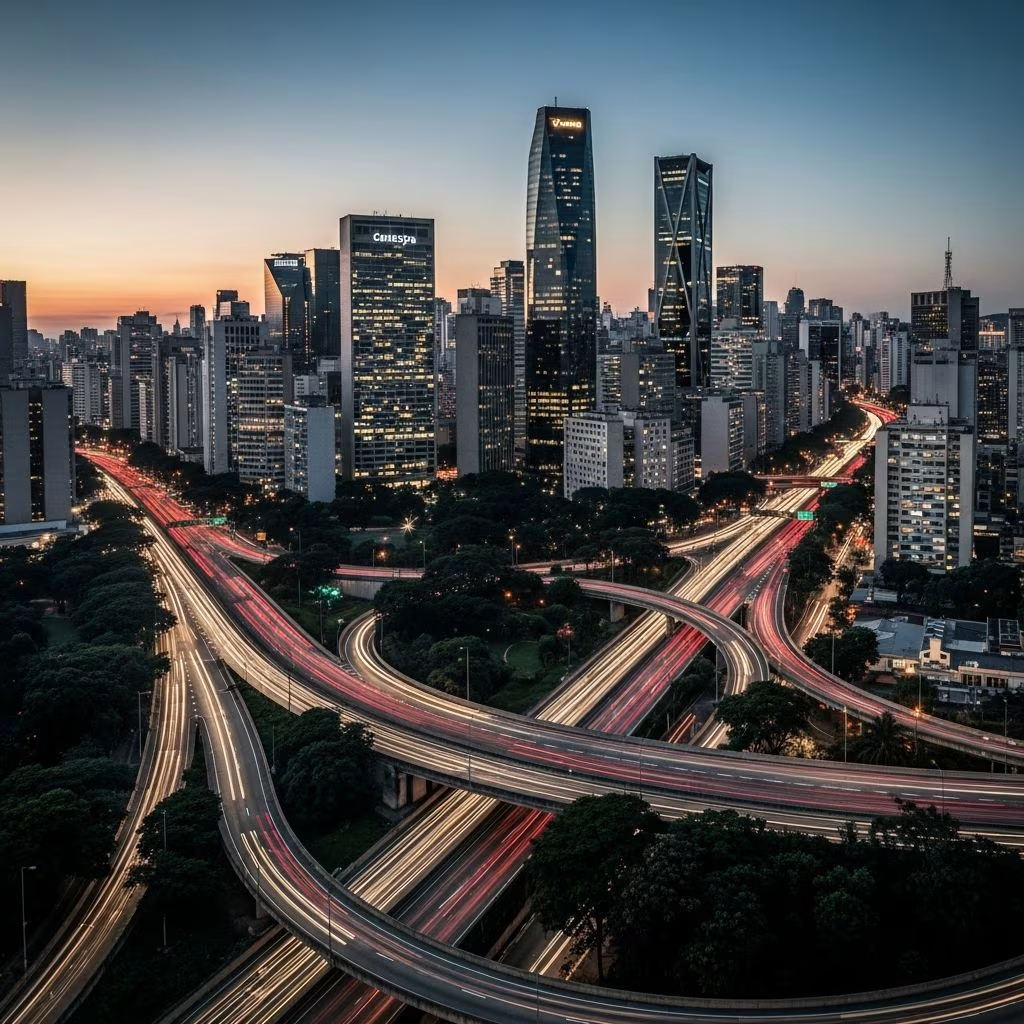
São Paulo stands as one of South America’s most dynamic and culturally rich urban centers, yet many travelers underestimate its appeal as a destination beyond business tourism. This sprawling metropolis of over 11 million residents pulses with artistic energy, innovative culinary traditions, and neighborhoods that each tell distinct stories of the city’s multicultural heritage. Whether you’re planning a weekend escape or an extended cultural immersion, understanding how to navigate this vibrant megacity transforms your experience from overwhelming to extraordinary.
Rather than operating as a single cohesive downtown district, São Paulo functions as a collection of distinct neighborhoods, each with its own character and attractions. Successful navigation requires understanding which areas align with your interests and travel style.
Central Historic District serves as the city’s birthplace and cultural epicenter. This revitalized area has undergone significant transformation, with the reopening of independent bookstores, artisanal cafés, and restaurants breathing new life into historic architecture. The Praça da Sé anchors this district as the city’s symbolic ground zero, where São Paulo’s most significant historical events have unfolded. The Pátio do Colégio, the city’s oldest building, stands as a tangible connection to São Paulo’s founding.
Avenida Paulista represents the city’s modern pulse and serves as the main thoroughfare where commerce, culture, and entertainment converge. This iconic avenue stretches across the city’s landscape, lined with museums, corporate offices, and cultural institutions. The transformation that occurs every Sunday, when the avenue closes to vehicular traffic and becomes a pedestrianized public space, creates a unique atmosphere where street performers, artisans, and locals reclaim the urban environment.
Specialized Cultural Neighborhoods provide authentic glimpses into specific communities. Liberdade represents Brazil’s largest Japanese-Brazilian population, with distinctive architecture and cultural institutions. Vila Madalena attracts artists and creative professionals, while the Bela Vista/Bixiga district retains its Italian heritage despite urban modernization, offering a more intimate neighborhood atmosphere.
São Paulo’s museum ecosystem rivals world capitals in scope and quality, making it impossible to experience everything in a single visit.
Major Art Collections:
Specialized Museums: Beyond traditional art collections, São Paulo offers museums dedicated to specific cultural elements. The Museu do Futebol explores Brazilian soccer’s profound cultural significance, housed within the historic Pacaembu Stadium. The Museu Afro-Brasil documents the contributions and experiences of Africans and their descendants in Brazilian society. The Centro Cultural Banco do Brasil occupies a restored historic building offering exhibitions, theater productions, and cinema programming.
Despite São Paulo’s dense urban environment, significant green spaces provide respite and recreational opportunities.
Ibirapuera Park functions as São Paulo’s largest and most significant green space, attracting millions of visitors annually. Beyond its natural beauty, the park houses multiple museums, performance venues, and cultural facilities. Weekend visits reveal the park’s role as a central gathering point where residents engage in diverse recreational activities, from cycling to cultural events.
Other Notable Parks: The Parque da Independência combines historical significance with recreational facilities, while smaller parks scattered throughout neighborhoods provide local gathering spaces and escape routes from urban intensity.
São Paulo’s street art scene has evolved from subcultural expression to internationally recognized artistic movement. Beco do Batman exemplifies this transformation, with narrow alleyways transformed into open-air galleries featuring constantly evolving murals and installations. The prevalence of street art throughout the city reflects São Paulo’s position as a creative hub where artistic expression thrives beyond traditional institutional boundaries.
São Paulo’s food landscape encompasses everything from humble street food to innovative fine dining establishments, reflecting the city’s cultural diversity and culinary ambition.
Traditional Markets and Street Food: The Mercado Municipal de São Paulo represents both a historic institution and an active public market where vendors sell fresh produce, meats, and prepared foods. The Municipal Market remains an essential destination for experiencing authentic local food culture, where visitors can sample pastéis—savory pastries stuffed with meat or vegetables—and other traditional preparations.
Dining Establishments: The city supports an extensive restaurant scene ranging from casual neighborhood spots to acclaimed fine dining venues. Establishments like A Casa do Porco showcase São Paulo’s mastery of traditional Brazilian cuisine, while newer venues demonstrate the city’s culinary innovation. Traditional establishments such as BAR DONA ONÇA offer authentic local atmosphere and authentic preparations.
Best Times to Visit
Weather considerations significantly impact the visiting experience. The period from December through February represents the cheapest time for accommodations, as hotel prices decline substantially during this off-season window. However, peak hotel prices occur between June and August, requiring advance reservations. Weather patterns remain relatively consistent throughout the year, with the tropical climate supporting year-round visitation.
Duration Planning
Visit length should align with your specific interests and travel pace. A weekend provides sufficient time to experience the city’s essential attractions, including Ibirapuera Park, Avenida Paulista, and historic downtown sites. Three days allows exploration of multiple neighborhoods including Liberdade, Vila Madalena, and Pinheiros, while incorporating museum visits and dining experiences. One week enables comprehensive neighborhood exploration, deeper museum engagement, and vibrant nightlife participation.
Transportation and Getting Around
Understanding transportation options significantly impacts mobility and budget. The metro system provides the most efficient method for traversing the sprawling metropolis, connecting major attractions and neighborhoods. For point-to-point travel, Uber offers convenience and cost-effectiveness compared to traditional taxi services or scheduled bus transportation. UberX specifically provides affordable options for direct routing to specific destinations without waiting periods associated with scheduled transit.
Accommodation Selection
Popular hotel options cater to various budgets and preferences, including the Melia Paulista, Grand Mercure SP Itaim Bibi, Renaissance São Paulo Hotel, Grand Hyatt São Paulo, and Wyndham São Paulo Ibirapuera Convention Plaza.
Language and Communication
While Portuguese represents the primary language, English and Spanish are widely spoken at major tourist attractions, reducing communication barriers for international visitors. Learning basic Portuguese phrases facilitates interactions with locals and enhances the cultural experience.
Three-Day Essential Experience
Day one focuses on historic downtown and Avenida Paulista, beginning at Praça da Sé and exploring nearby landmarks including the Pátio do Colégio and Centro Cultural Banco do Brasil. The afternoon transitions to Avenida Paulista for museum visits and cultural immersion.
Day two ventures into Vila Madalena and Pinheiros neighborhoods, experiencing the city’s creative communities, street art, and locally-oriented dining establishments. Evening activities might include neighborhood bars or smaller cultural venues.
Day three encompasses Ibirapuera Park exploration, museum visits within the park complex, and the Jardins neighborhood for shopping and upscale dining.
Extended Week-Long Exploration
Beyond the essential three-day itinerary, additional days allow comprehensive neighborhood exploration, including the specialized cultural areas of Liberdade, deeper engagement with multiple museums, and participation in São Paulo’s vibrant nightlife scene.
For visitors preferring structured exploration, multiple tour options accommodate various interests and budgets. Full-day city tours covering main attractions typically span seven hours, providing comprehensive overviews of major sites. Walking tours with local guides offer intimate perspectives on specific neighborhoods and cultural contexts. Private tours with optional airport pickup customize experiences to individual preferences. For adventurous travelers, specialized experiences like tandem skydiving provide unique perspectives on the city’s dramatic skyline.
Beyond tourist attractions, São Paulo functions as Brazil’s cultural and economic engine. The city’s recent cultural resurgence has transformed its international perception from purely business-oriented center to destination for artistic exploration, cultural engagement, and culinary innovation. This transformation reflects deliberate efforts to restore historic neighborhoods, support artistic communities, and celebrate the multicultural heritage that defines the city’s identity.
São Paulo rewards explorers willing to venture beyond surface-level tourism, revealing a complex, creative, and genuinely dynamic city that challenges preconceptions about urban Brazil. The combination of world-class cultural institutions, distinctive neighborhoods each with their own character, innovative food scene, and the energy of over 11 million residents creates an environment where every visitor can construct a unique experience. Whether you’re drawn by artistic pursuits, culinary exploration, cultural immersion, or simply the vibrant urban energy, São Paulo delivers an experience that transforms how you understand contemporary Brazil and urban Latin America. Planning strategically—selecting specific neighborhoods aligned with your interests, choosing optimal visiting periods based on your priorities, and utilizing practical transportation knowledge—enables you to move beyond tourist expectations and experience the authentic São Paulo that captivates those who venture deeply into its streets, museums, markets, and communities.
