

 Travel Essentials
 Travel Essentials

Complete travel guide to São Paulo covering top attractions, neighborhoods, dining, transportation, and practical tips for first-time visitors to Brazil's largest city.
 Travel Essentials
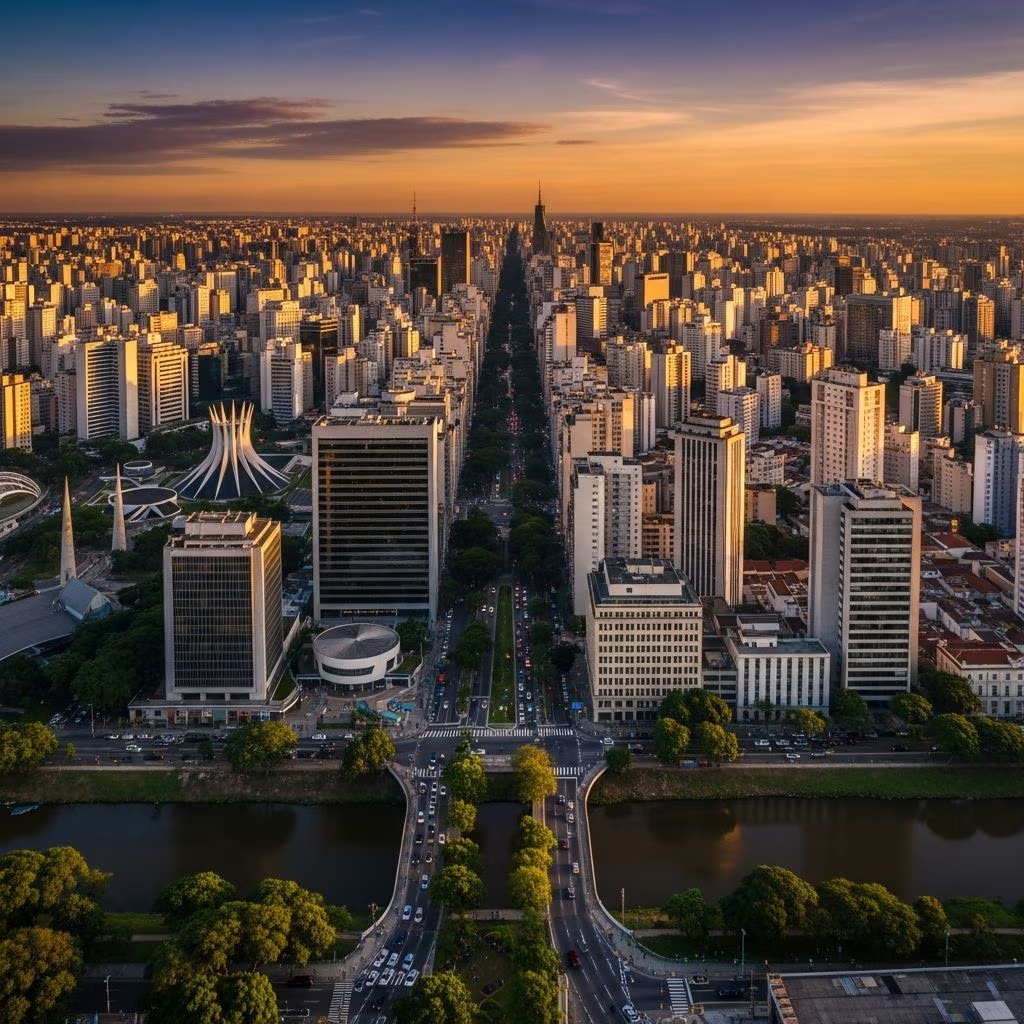
Nestled in southeastern Brazil, São Paulo stands as South America’s largest metropolitan center, commanding attention with its kaleidoscopic blend of modernism, heritage, and multicultural vibrancy. With a population exceeding 10 million residents, this sprawling urban landscape presents an intoxicating mixture of world-class museums, innovative culinary scenes, boundary-pushing street art, and distinctive neighborhoods that each tell their own compelling narrative. For travelers seeking authentic engagement with a living, breathing megacity rather than a curated resort experience, São Paulo offers unparalleled opportunities for cultural immersion and urban exploration.
The ideal length of a São Paulo visit depends largely on your travel style and interests. Weekend travelers can grasp the city’s essential character through its most iconic attractions, while three-day visits allow for a more comprehensive experience encompassing the historic center, major cultural venues, and neighborhood exploration. Visitors with a full week can delve deeper into the city’s extensive museum collections and discover more localized gems within distinct districts like Liberdade and Vila Madalena.
Regarding seasonal planning, budget-conscious travelers should target the December to February window, when accommodation prices reach their annual lows. Conversely, June through August represents peak season with correspondingly elevated hotel rates. These summer months (Southern Hemisphere summer) typically offer favorable weather conditions, though the city experiences humidity year-round given its tropical climate.
São Paulo’s distinct neighborhoods function almost as separate cities, each reflecting unique cultural identities and architectural styles. Understanding these zones helps visitors navigate the sprawling metropolis more effectively.
The Centro district represents São Paulo’s historical foundation, where most principal touristic landmarks cluster together. This revitalized area has undergone remarkable transformation in recent years, with the organic reoccupation of historic spaces now featuring independent bookstores, specialized cafés, and innovative restaurants that have restored cultural vitality. The República and Sé neighborhoods within Centro warrant exploration, though travelers should exercise discretion by avoiding the Luz, Santa Ifigenia, and Campos Eliseos areas.
The iconic Praça da Sé serves as the city’s ceremonial ground zero—a historical stage hosting significant events and functioning as a genuine meeting point for São Paulo’s diverse populace. Nearby, the Martinelli Building claims distinction as São Paulo’s first skyscraper, representing a crucial architectural milestone in the city’s vertical development.
Avenida Paulista functions as São Paulo’s primary artery, embodying everything that sustains the city’s vibrancy. This renowned boulevard concentrates offices, retail establishments, cafés, and an exceptionally rich cultural circuit spanning multiple museums and cultural institutions. The avenue achieves particular magic on Sundays, when it transforms into a pedestrian-only paradise brimming with live musical performances, artisan markets, and local community gatherings. The MASP Museum and Trianon Park anchor this cultural corridor, providing both intellectual stimulation and green respite.
Liberdade functions as São Paulo’s Japantown, offering visitors an immersive cultural experience distinct from the rest of the city. This neighborhood showcases authentic Japanese-Brazilian culture through specialized markets, restaurants serving traditional cuisine, and cultural institutions. The nearby Municipal Market presents an explosion of colors, aromas, and culinary treasures, featuring everything from exotic fruits to specialty ingredients reflecting the region’s agricultural abundance.
Vila Madalena and Pinheiros represent São Paulo’s creative heart, attracting artists, musicians, and cultural entrepreneurs who have established this area as the epicenter of the city’s contemporary art scene. Beco do Batman (Batman Alley) epitomizes this creative energy, featuring constantly evolving street art murals that transform the urban landscape into an open-air gallery. This ever-changing artistic canvas attracts photographers and art enthusiasts seeking authentic expressions of urban creativity.
Bela Vista and Bixiga offer a distinctly different character—historically an Italian enclave that has retained a more intimate, genuinely local atmosphere with lower-rise architecture and neighborhood charm. Bom Retiro functions as the city’s Koreatown, presenting another layer of São Paulo’s multicultural tapestry.
São Paulo’s museum landscape ranks among the world’s most impressive, offering visitors exceptional opportunities for artistic and intellectual engagement.
The MASP (Museum of Art of São Paulo) and Pinacoteca command distinction as the city’s foremost art institutions, easily accessible via brief Uber or taxi rides from central locations. These venues house world-class collections spanning classical to contemporary periods. The Museu de Arte Contemporânea, located within Ibirapuera Park, specializes in modern artistic expressions, while the Museu Afro-Brasil celebrates African-Brazilian cultural heritage and artistic traditions.
The Museu do Futebol, housed within the historic Pacaembu Stadium, explores Brazil’s profound cultural relationship with football (soccer), making it an essential stop for sports enthusiasts. Religious and architectural heritage attractions include the imposing São Paulo Cathedral and the tranquil Monastery of São Bento, offering spiritual and aesthetic enrichment.
Ibirapuera Park functions as São Paulo’s largest and most significant green space, offering respite from urban intensity while housing multiple museums and cultural venues within its landscaped grounds. This expansive park provides opportunities for leisurely strolls, bicycle excursions, and picnicking while experiencing nature within the urban environment. Praça do Pôr do Sol offers elevated vantage points for sunset viewing, providing romantic and photogenic moments within the city landscape.
São Paulo’s gastronomic reputation extends well beyond Brazil’s borders, reflecting the city’s multicultural composition and innovative culinary traditions. The dining scene encompasses everything from casual street food to Michelin-recognized establishments. Renowned restaurants include Figueira Rubaiyat, A Casa do Porco, Barbacoa, and Le Bife, each representing distinct culinary philosophies and techniques. For casual dining with authentic local character, BAR DONA ONÇA delivers genuine neighborhood atmosphere alongside quality cuisine.
The Municipal Market presents an unparalleled sensory experience, showcasing the region’s agricultural abundance and providing opportunities for culinary adventuring through fresh ingredients and prepared foods reflecting diverse cultural influences.
Navigating São Paulo’s sprawling geography requires strategic transportation planning. Uber emerges as the preferred option among travelers, offering cost-effectiveness and directness compared to scheduled bus services. UberX particularly appeals to budget-conscious visitors, providing affordable transportation to desired destinations without the scheduling constraints of public transit. Taxis represent an alternative, though they generally exceed Uber pricing. For safety and efficiency when traveling between attractions, rideshare services prove far superior to attempting navigation through the city’s complex public transportation system as a first-time visitor.
São Paulo offers diverse lodging options catering to various budgets and preferences. Popular hotel choices include Melia Paulista, Grand Mercure SP Itaim Bibi, Renaissance São Paulo Hotel, Grand Hyatt São Paulo, and Wyndham São Paulo Ibirapuera Convention Plaza. Neighborhood selection should reflect your specific interests—choosing accommodation near Avenida Paulista maximizes access to cultural attractions, while Liberdade places you near Japanese-Brazilian cultural experiences.
For visitors preferring structured exploration, several tour options provide comprehensive city overviews. Full-day shared group tours covering main city sights typically span 7 hours, while private tours offer flexibility with 4-5 hour options including optional airport pickup services. Adventurous travelers can experience tandem skydiving for unique aerial perspectives of the sprawling metropolis. Local guide experiences provide authentic cultural insights unavailable through conventional tourism channels.
Successful São Paulo experiences require strategic planning aligned with individual interests. Art enthusiasts should allocate substantial time for museum exploration and street art districts. Cultural immersion seekers benefit from extended neighborhood time, particularly in Liberdade and Vila Madalena. Food-focused travelers should schedule restaurant reservations and market visits throughout their stay. Architecture aficionados should prioritize downtown exploration, focusing on iconic buildings and urban design elements. Ultimately, São Paulo rewards flexible, curiosity-driven exploration over rigid itineraries, allowing visitors to discover unexpected treasures within this magnificent metropolitan landscape.
