

 Travel Essentials
 Travel Essentials

Complete travel guide to São Tomé and Príncipe featuring outdoor activities, cultural experiences, and practical travel tips for island exploration.
 Travel Essentials
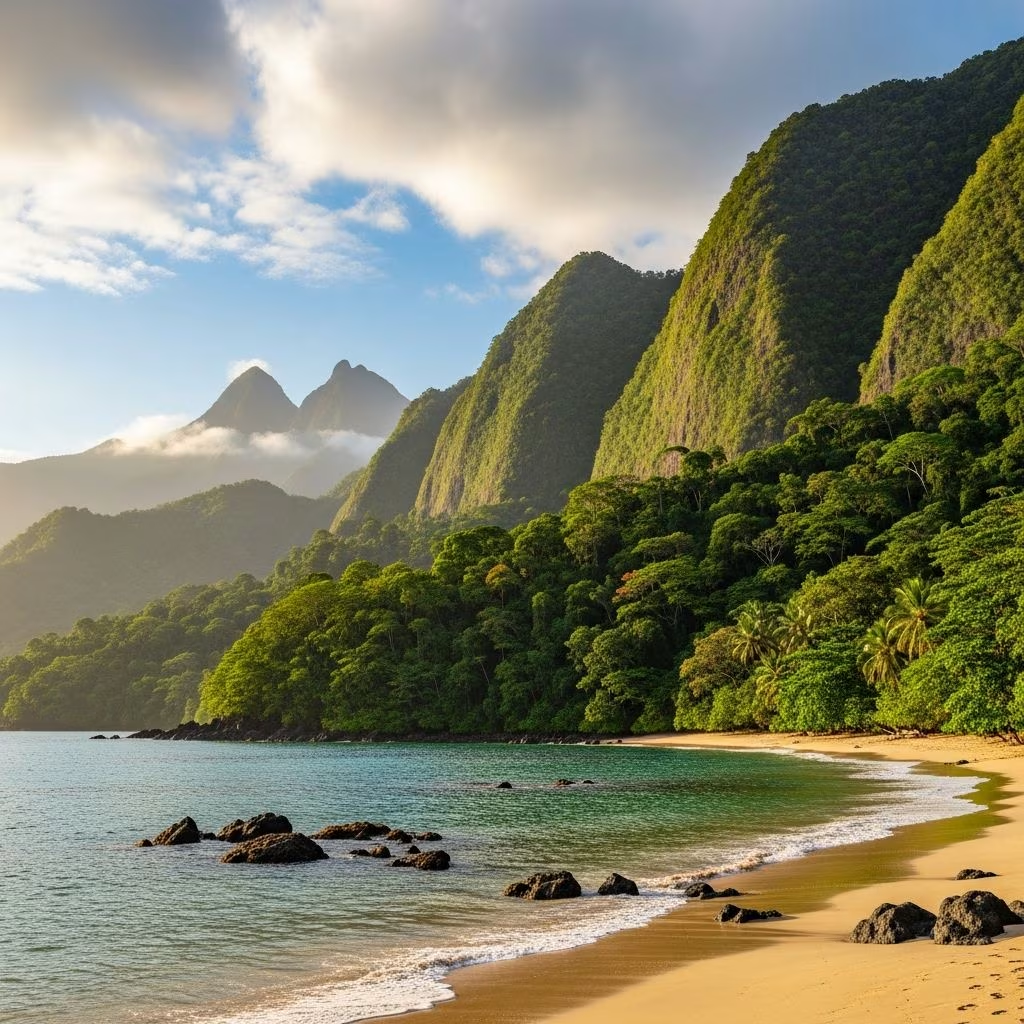
Nestled in the Gulf of Guinea off the west coast of Central Africa, the two islands of São Tomé and Príncipe represent one of the continent’s most undiscovered tropical destinations. These volcanic formations rising from the Atlantic Ocean offer visitors a rare combination of unspoiled natural beauty, rich historical heritage, and authentic cultural experiences that remain largely untouched by mass tourism.
The nation consists of two primary islands separated by approximately 140 kilometers of ocean. The larger island, São Tomé, serves as the country’s main hub and home to the capital city of the same name. Príncipe, the smaller island to the north, remains more remote and pristine, attracting adventurers seeking solitude and undisturbed ecosystems. Both islands share similar characteristics: lush tropical vegetation covering their interiors, volcanic origins visible in their dramatic landscapes, and coastlines dotted with palm-fringed beaches of striking beauty.
The equator passes directly through Príncipe, making it a unique geographical feature that many travelers specifically visit to experience. The terrain transitions from developed coastal areas to dense rainforest interiors, creating diverse environments within relatively compact landmasses.
Navigating the islands requires understanding the available transportation options. Unlike larger African destinations, international car rental companies do not maintain operations on these islands. Instead, visitors typically arrange vehicle rentals through their hotel accommodations, which generally include a local driver who doubles as an informal guide. This arrangement provides both practical transportation and cultural insights from someone familiar with local geography and customs.
For travelers comfortable with independent driving, an International Driving Permit is required unless your license was issued in Portugal. However, relying on arranged transportation through accommodations offers advantages beyond mere logistics—it supports the local economy directly and provides opportunities for meaningful interactions with residents.
Inter-island travel occurs via small aircraft or ferry services, though schedules can be irregular. Planning travel between São Tomé and Príncipe requires flexibility and advance coordination with your accommodation provider.
The volcanic heritage of these islands manifests in striking geographical formations that dominate the landscape. The most iconic landmark is Cão Grande (Big Dog), a 663-meter volcanic plug that rises dramatically from the forest approximately 51 kilometers south of the capital. This petrified tower of magma represents the remnants of an ancient volcanic system, and its needle-like profile creates an otherworldly appearance against tropical skies. Accessible through forest hiking trails departing from the hamlet of Santa Josefina, the trek to Cão Grande combines adventure with botanical discovery, passing through ecosystems that support endemic plant species.
Complementing this landmark, Cão Pequeno (Little Dog) stands at 271 meters, offering an alternative or supplementary hiking objective for visitors with varying fitness levels. The volcanic character of the southern regions creates a landscape unlike typical tropical island environments.
The surrounding ocean waters support rich marine biodiversity that attracts various whale species during migration periods from July through September. These seasonal visits create opportunities for marine observation tours that typically span three hours and provide possibilities for observing these magnificent creatures in their natural habitat.
Baía das Agulhas represents another significant marine attraction, offering multiple ways to engage with its unique environment. Visitors can arrange helicopter flights for dramatic aerial perspectives, participate in boat excursions specifically designed for marine observation, or utilize snorkeling equipment to experience the underwater world directly. During October through December, fortunate snorkelers may encounter sea turtles in their natural environment, creating memorable wildlife interactions.
The islands’ coastal waters support populations of sea turtles that return annually to specific beaches for nesting. Organized turtle-watching projects allow visitors to participate in conservation efforts while witnessing these remarkable creatures during breeding season.
Obô National Park represents the primary protected conservation area, encompassing significant portions of the islands’ interior rainforests. This park preserves critical habitat for numerous species, including birds found nowhere else on Earth. The endemic avian species make the park particularly valuable for birdwatching enthusiasts seeking to observe species with limited global distribution.
The rainforests support an impressive array of traditional medicinal plants that have been utilized by indigenous populations for generations. Guided nature walks through these ecosystems reveal botanical specimens with healing properties, ferns of remarkable diversity, and ancient trees that form the forest canopy. Many walking trails are well-maintained and extensively marked, though local guidance enhances the experience by providing context about plant uses and forest ecology.
Trail systems throughout both islands range from casual coastal walks to challenging mountain treks. Many resort properties maintain extensive trail networks—some exceeding 20 kilometers—with photocopied maps available to guests. The forest density prevents hikers from becoming lost, even when straying from marked paths, though guided excursions are recommended for safety and educational value.
The islands’ colonial past as Portuguese possessions left an indelible mark on their landscape and economy. Historic plantation structures, including abandoned rocas (farm complexes), remain visible throughout both islands, representing a complex historical legacy. While these structures deteriorate naturally over time, they provide tangible connections to the region’s past and offer insights into historical agricultural systems.
Contemporary agricultural production continues to focus on crops introduced during colonial periods, with cacao cultivation representing a particularly significant industry. Chocolate production facilities now operate on the islands, adding value to locally-grown cacao and creating opportunities for visitors to understand the journey from crop to finished product. Visiting active chocolate production sites provides educational experiences while supporting local enterprise.
The islands’ culinary traditions reflect both indigenous practices and Portuguese colonial influences. Seafood features prominently, reflecting the abundant marine resources surrounding the islands. Local fruit varieties including jaca and banana-pão offer tropical flavors unfamiliar to most international visitors, providing opportunities for authentic gastronomic discovery.
Engaging with local food culture extends beyond restaurants to include participating in family dining experiences where traditional preparation methods are demonstrated. Markets operating in early morning hours offer immersive cultural experiences alongside opportunities to purchase fresh produce and prepared foods reflecting authentic local cuisine.
The coastlines feature numerous beach varieties ranging from golden-sand stretches lined with coconut palms to rocky coves accessible only by hiking or boat. Praia de Santo António Mussacamú represents an example of isolated beach destinations accessible through dedicated effort, rewarding hikers with pristine environments untouched by development infrastructure.
Ilhéu das Rolas, accessible by boat from the main island, offers the distinctive feature of straddling the equator. This geographic novelty attracts visitors seeking to experience this specific latitude while enjoying island beaches and water activities. The island supports managed resort facilities that facilitate day visits or extended stays.
Beaches throughout the islands support seasonal nesting of sea turtles, creating natural spectacles as these ancient creatures return to ancestral breeding grounds. Beach conservation projects work to protect nesting sites and monitor hatchling success rates, often welcoming visitor participation in these conservation efforts.
The local population maintains vibrant cultural traditions including music and dance practices rooted in African heritage. Visitors can participate in cultural experiences by arranging visits with local families to attend traditional music performances, creating authentic interactions that extend beyond typical tourist activities. These experiences provide genuine cultural exchange opportunities while supporting community members economically.
Local markets function as vital community spaces where residents conduct daily commerce and social interaction. Morning market visits allow visitors to observe authentic local life, interact with vendors, and appreciate the diversity of goods, produce, and crafts produced within the islands’ communities. Market exploration should be approached respectfully, with awareness that these spaces serve functional purposes beyond tourist entertainment.
Optimal Timing: Weather patterns significantly influence travel experiences. The rainy season extending toward December brings enhanced rainfall but produces the clearest ocean waters ideal for beach activities and snorkeling. Other seasons offer different advantages, with varying rainfall patterns affecting hiking conditions and accessibility to interior regions.
Accommodation Options: Lodging ranges from budget-friendly establishments to upscale resort facilities, accommodating various travel styles and budgets. The capital city of São Tomé offers options within urban settings, while resort properties scattered across both islands provide bases for exploring specific regions. Early booking is advisable given limited accommodation inventory on these less-developed islands.
Activity Duration: A comprehensive island experience typically requires five to seven days minimum. Multi-day itineraries allow visitors to experience diverse environments—urban exploration, southern volcanic landmarks, northern forest ecosystems, marine activities, and cultural engagement—without excessive rushing.
Visitors should prepare for variable infrastructure compared to more developed destinations. Currency exchange and banking facilities exist but may have limitations. Travel insurance covering medical evacuation is advisable given the islands’ remote location and limited medical facilities. Vaccination requirements and tropical disease considerations should be addressed before departure through consultation with travel health professionals.
Photography enthusiasts will find exceptional subjects throughout the islands, from dramatic volcanic formations to vibrant wildlife and cultural scenes. However, respectful photography practices should guide interactions, particularly when photographing community members or sacred sites.
The islands’ pristine condition reflects limited development pressure, yet tourist activities require conscious environmental stewardship. Supporting conservation projects, participating in beach cleanups, and respecting wildlife protection efforts contribute to preserving the islands’ natural heritage for future generations. Choosing locally-owned accommodations and guides distributes economic benefits throughout communities rather than concentrating profits externally.
Engaging authentically with local culture—learning basic Portuguese phrases, respecting customs, and valuing community perspectives—creates more meaningful travel experiences while demonstrating respect for the islands’ inhabitants and their heritage.
