

 Travel Essentials
 Travel Essentials

Explore Sapa's stunning rice terraces, trek to ethnic villages, conquer Fansipan peak, and savor local flavors. Essential tips for planning your adventure in Vietnam's highlands.
 Travel Essentials
Sapa, perched in the rugged Hoàng Liên Son Mountains of northern Vietnam, captivates travelers with its dramatic landscapes and rich cultural tapestry. This former French colonial hill station offers a cool escape from the lowland heat, where emerald rice terraces cascade down valleys, ethnic minorities in vibrant attire tend their fields, and mist-shrouded peaks invite adventure. Whether you’re summiting the highest point in Indochina or wandering through age-old villages, Sapa delivers an immersive journey into Vietnam’s highlands.
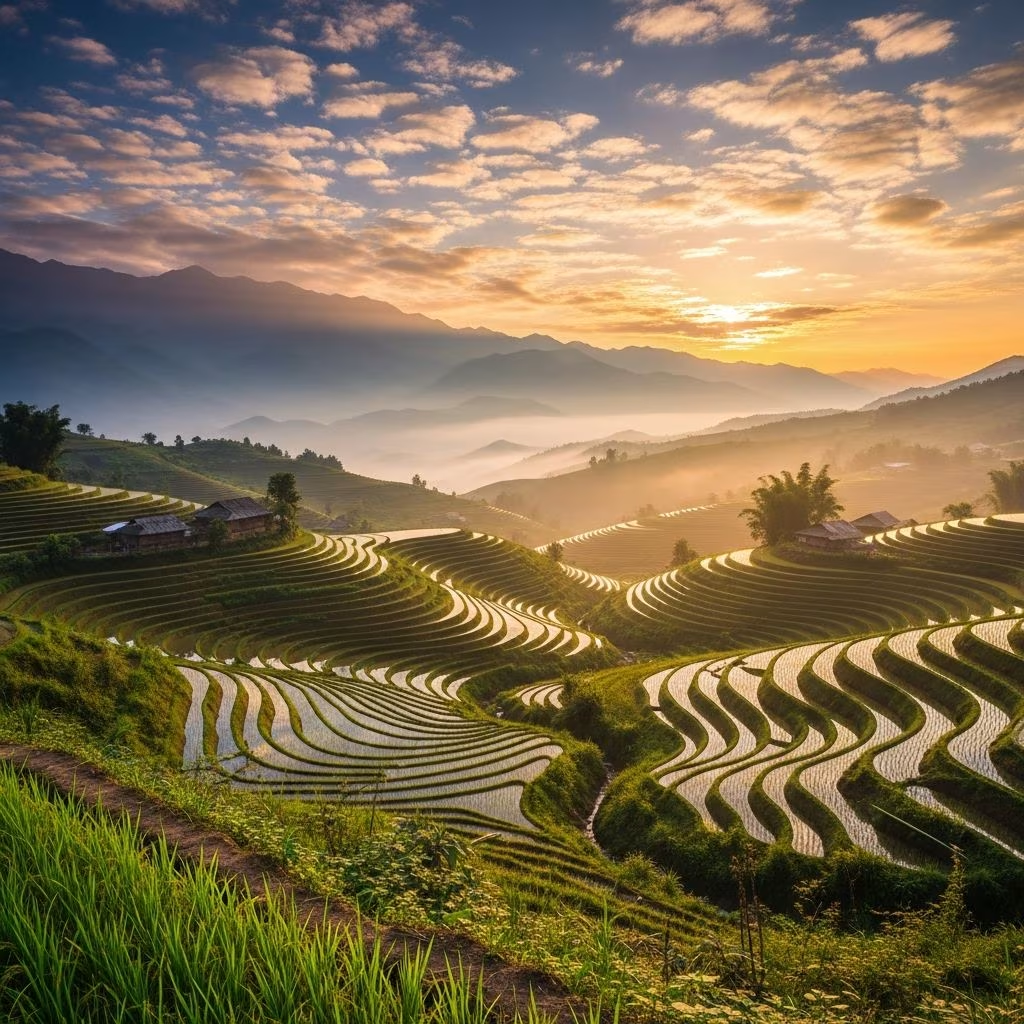
At an elevation of around 1,600 meters, Sapa commands panoramic views over a valley where rice paddies form intricate patterns, especially vibrant during harvest seasons from May to October. Lush mountains, rushing rivers, and waterfalls punctuate the scenery, creating a backdrop that’s as photogenic as it is serene. Mount Fansipan, soaring to 3,143 meters, dominates the skyline, often wreathed in clouds that add a mystical aura.
The region’s microclimate brings frequent fog and rain, particularly from November to April, transforming the terraces into a sea of gold and green. This dynamic weather enhances the ethereal quality, making every visit unique. Visitors often describe the sight of terraced fields reflecting sunlight as one of Southeast Asia’s most iconic natural wonders.
Sapa thrives on outdoor pursuits that blend physical challenge with cultural discovery. Here’s how to make the most of your time.
The crown jewel of Sapa adventures is reaching the summit of Fansipan. Opt for the world’s longest cable car ride—a thrilling 6-kilometer ascent covering 3,143 meters in just 15 minutes. At the top, explore a sprawling pagoda complex and take the final stone steps to the peak for 360-degree vistas of rolling hills and distant horizons.
For avid hikers, multi-day treks from Sapa town challenge rugged trails through bamboo forests and over steep passes. Guides are recommended for safety and insights into local flora and fauna within Hoang Lien National Park.
Venture beyond town to experience Sapa’s soul: hikes to villages like Cat Cat, Ta Van, Lao Chai, and Ta Phin. These paths wind past Hmong and Dao homes, where women in embroidered indigo garb weave textiles and share stories. Easy day treks cover 5-10 kilometers, passing suspension bridges, rice fields, and hidden waterfalls.
Overnight treks amplify immersion, letting you wake to roosters and misty dawns amid the paddies.
Beyond hiking, Sapa offers mountain biking on buffalo trails, canyoning at Love Waterfall, and the annual Vietnam Mountain Marathon. Rent a motorbike to chase Silver Waterfall (Thac Bac), a 200-meter cascade with a scenic bridge, or cross the heart-pounding Glass Bridge (Rong May) suspended 2,000 meters above O Quy Ho Pass.
Sapa is home to over 100,000 ethnic minorities, primarily Hmong, Dao, Tay, and Giay, whose traditions persist amid modernization. Markets pulse with life, especially Sunday’s Bac Ha extravaganza, where tribespeople in silver headdresses trade horses, handicrafts, and buffalo.
In town, the Sapa Stone Church anchors the square, a French-era relic surrounded by cafes. Stroll Sa Pa Lake, pedal swan boats, or browse night markets for grilled meats and embroidered souvenirs. Respect local customs by asking permission before photographing and supporting community tourism.
Peak Season (September-November): Golden rice harvests paint terraces in luminous hues; cooler temps ideal for trekking.
Winter (December-February): Crisp air and occasional snow on Fansipan; fewer crowds but slippery paths.
Spring (March-May): Blooming flowers and green terraces; perfect for clear summit views.
Avoid summer rains if prone to mud, though they keep landscapes verdant.
From Hanoi, overnight trains to Lao Cai (8-9 hours) followed by a 1-hour shuttle bus is scenic and budget-friendly. Direct buses or private vans take 5-6 hours. Once in Sapa, walk the compact center, hail taxis, or rent bikes/motorbikes for outskirts.
| Method | Duration | Cost (USD approx.) | Pros |
|---|---|---|---|
| Overnight Train + Shuttle | 9-10 hours | 25-40 | Scenic, comfortable sleep |
| Bus/Van from Hanoi | 5-6 hours | 15-25 | Direct, daytime views |
| Flight to Hanoi + Transfer | 1 hr flight + 6 hrs | 50+ | Fastest overall |
Choices abound: terraced-view homestays ($13/night) for cultural dips, mid-range lodges amid paddies, or boutique hotels with Fansipan vistas. Top picks include family-run spots in Ta Van or modern resorts like Topas Ecolodge.
Highland fare emphasizes fresh, hearty ingredients. Must-tries:
Start days with Vietnamese coffee or hyper-local pho; end with craft beer overlooking terraces. Vegan options like wild ferns abound.
Adjust for fitness; book treks ahead.
Yes, for lush greenery, but prepare for mud. Cable car operates year-round.
Not for short village walks, but recommended for remote areas and cultural context.
Budget 5 days: $300-500/person including all.
Absolutely; opt for easy trails and cable car.
Peak weekends busy; mid-week serene.
