

 Travel Essentials
 Travel Essentials

Explore the 2026 Sapporo Snow Festival featuring colossal snow sculptures, ice art contests, winter activities, and authentic Japanese cuisine across three festival sites.
 Travel Essentials
Japan’s most celebrated winter gathering transforms Sapporo into an enchanting landscape of crystalline artworks and vibrant cultural experiences. The Sapporo Snow Festival stands as one of the world’s premier winter celebrations, drawing more than two million visitors annually to witness an extraordinary display of human creativity carved from snow and ice. Spanning eight days in early February, this legendary festival has evolved from humble beginnings in 1950 when local high school students created just six modest snow sculptures into a globally recognized spectacle featuring magnificent installations that tower several stories high.
The festival’s history reveals a fascinating transformation from grassroots artistic expression to international prominence. When junior and senior high school students first constructed their modest sculptures in Odori Park during 1950, few could have anticipated that this small initiative would blossom into Japan’s largest winter event. Over the decades, the festival has maintained its artistic integrity while embracing technological innovations in presentation, particularly through elaborate lighting systems and projection mapping that illuminate the sculptures after sunset.
This 76th anniversary celebration in 2026 continues a tradition of bringing together master sculptors, military artists, and international competitors who dedicate weeks to transforming mountain snow into monumental creations. The festival represents more than mere artistic display; it embodies Hokkaido’s identity as a winter destination and Japan’s commitment to celebrating seasonal beauty and cultural expression.
The 2026 Sapporo Snow Festival unfolds from February 4 through February 11, providing an eight-day window for experiencing the full scope of this winter wonderland. Unlike many seasonal events, admission to the festival grounds remains completely free, though certain specialized attractions and activities may charge modest participation fees.
Securing accommodations well in advance proves essential, as lodging availability becomes severely constrained during festival week. Hotels, ryokans, and guesthouses throughout Sapporo and surrounding regions book to capacity months ahead, making early reservations a critical component of successful festival planning. The concentration of visitors creates a vibrant atmosphere but also necessitates strategic timing and preparation.
The 2026 festival spans three distinct locations, each offering unique attractions and experiences that collectively provide a comprehensive winter arts and entertainment program.
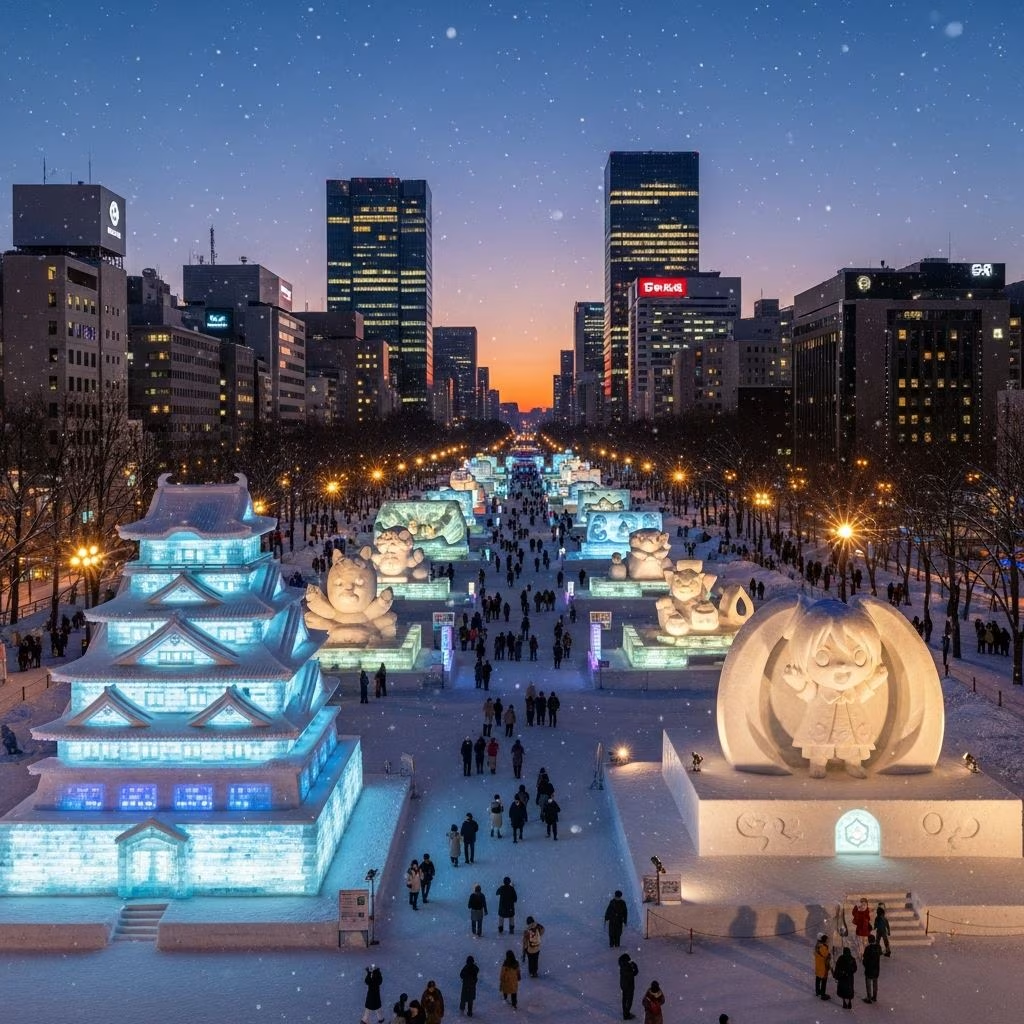
Serving as the festival’s primary venue and the site of the original 1950 gathering, Odori Park extends 1.5 kilometers through Sapporo’s central business district, stretching from the iconic Sapporo TV Tower westward for twelve city blocks. This location hosts the most impressive large-scale sculptures, with some masterworks measuring more than 25 meters in width and reaching heights exceeding 15 meters.
The Odori Site presents a striking contrast between day and evening experiences. During daylight hours, visitors appreciate the intricate sculptural details and technical virtuosity that artists have invested into each creation. The sculptures draw inspiration from diverse sources including Japanese cultural heritage, historical landmarks, contemporary anime characters, and international iconic structures such as the Egyptian pyramids and Angkor temples. Beyond approximately a dozen monumental showcase pieces, the Odori Site displays more than one hundred smaller snow statues distributed throughout the park.
Evening transformation occurs as darkness falls, with illumination continuing until 10:00 PM. Advanced projection mapping technology, combined with colored lighting systems, creates a completely reimagined artistic environment. Multiple musical performances, theatrical presentations, and specialized contests utilize the snow sculptures as unconventional stages, blending visual art with live performance throughout the festival week.
Located mere minutes south of Odori Park via a single subway stop, the Susukino Site transforms Sapporo’s bustling entertainment district into an ice sculpture gallery. This venue hosts approximately one hundred exquisite ice sculptures that receive artistic illumination nightly until 11:00 PM, with final-day lighting concluding at 10:00 PM.
The centerpiece of the Susukino venue features an International Ice Sculpture Contest where accomplished ice artists and emerging competitors demonstrate their craft. Visitors frequently encounter sculptors actively working on their pieces, providing opportunities to witness the creative process firsthand. The illuminated ice sculptures create a distinctly different aesthetic than the snow installations at Odori, offering cooler color palettes and sharper geometric qualities that appeal to visitors seeking varied artistic experiences.
Beyond sculpture viewing, the Susukino Site features an ice bar where visitors can sip beverages from drinking vessels carved directly from ice blocks, adding a participatory dimension to the ice-themed attractions.
The third major festival location offers a distinctly family-oriented approach to winter entertainment. The Tsudome Site operates from February 4-11 and provides interactive snow activities unsuitable for the urban park venues. These attractions specifically appeal to children and families seeking hands-on winter experiences, including snow maze exploration, toboggan sliding, snowman construction, organized snowball competitions, and ice cup carving workshops.
Tsudome functions as an experiential counterpoint to the passive observation required at the sculpture-focused venues, emphasizing participation and physical engagement with winter conditions.
Visiting the Sapporo Snow Festival requires minimal logistical complexity, as public transportation efficiently connects all three venues to the city’s central areas. The Odori Park site sits directly accessible via the Sapporo Metro system; exiting at Odori Station places visitors literally beneath the festival grounds. From any central Sapporo location, multiple subway connections provide convenient access to this primary venue.
The Susukino Site remains within walking distance or a short subway journey from Odori, while shuttle bus services transport visitors to the more distant Tsudome location. This interconnected transportation network eliminates the need for rental cars or complex navigation arrangements, making festival attendance accessible to international visitors unfamiliar with Japanese infrastructure.
Strategic timing dramatically influences the quality of your festival encounter. Sunset occurs approximately at 5:00 PM during early February, making an early afternoon arrival optimal for experiencing both daytime and evening presentations. This scheduling permits appreciation of sculptural details in natural light, followed by immediate transition to the illuminated evening transformation without interruption or travel delays.
Many visitors discover that a single venue visit during daylight hours followed by another evening return provides superior value compared to hurried comprehensive tours. This approach accommodates the festival’s dual nature as both daytime artistic exhibition and nighttime light spectacle, allowing adequate time at each location without exhaustion.
The Odori Park grounds transform into an expansive winter street market featuring exceptional regional cuisine and warming beverages. The sensory environment created by grilled food aromas, live music, multilingual conversations, and the cozy warmth of gathering crowds generates an atmosphere distinctly different from typical urban parks.
Festival visitors encounter authentic Hokkaido specialties including:
These culinary offerings provide necessary sustenance during extended outdoor exploration while simultaneously introducing visitors to Hokkaido’s distinctive food culture.
| Venue | Primary Attractions | Evening Hours | Best For |
|---|---|---|---|
| Odori Park | Monumental snow sculptures, projection mapping, live performances | Until 10:00 PM | Photography, artistic appreciation, family groups |
| Susukino | Ice sculpture contest, illuminated installations, ice bar | Until 11:00 PM | Art enthusiasts, adults seeking specialized experiences |
| Tsudome | Snow mazes, sledding, snowman building, ice carving | Various | Children, active winter sports participants, families |
This festival represents far more than a seasonal attraction; it constitutes a unique convergence of artistic mastery, cultural expression, technological innovation, and atmospheric enchantment. The scale surpasses most visitors’ preconceptions, with some comparing individual sculptures to building-sized structures dominating city blocks. The artistic themes reflect both traditional Japanese cultural elements and contemporary global influences, creating narratives accessible to international audiences.
The festival’s dual presentation—daytime sculptural exhibition and evening illuminated spectacle—creates what many describe as two entirely different experiences within a single venue. This duality ensures that repeat visits offer genuinely novel perspectives rather than simple redundancy.
Whether you attend as a photography enthusiast capturing ice-blue nighttime installations, a family seeking interactive winter activities, or a cultural traveler exploring Japanese seasonal traditions, the Sapporo Snow Festival delivers memorable experiences that extend well beyond the eight-day event itself.
