


 Food & Culture
Food & Culture
Sarajevo Travel Guide: Top Things to Do, Eat and See
Uncover Sarajevo's blend of Ottoman bazaars, Austro-Hungarian architecture, war memorials, and outdoor adventures in this comprehensive guide to Bosnia's captivating capital.
 Food & Culture
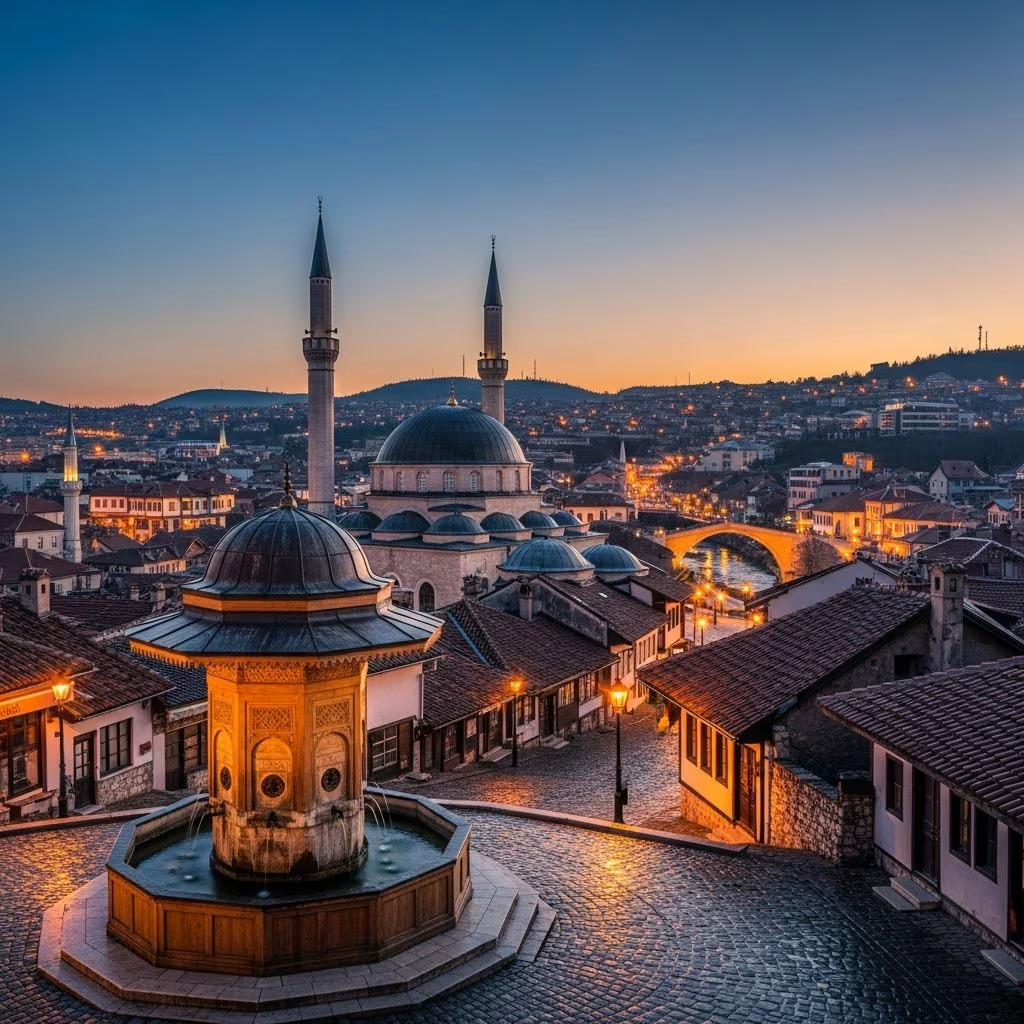
Sarajevo stands as a testament to resilience and multiculturalism, nestled in a valley surrounded by mountains. This Bosnian capital weaves together Ottoman, Austro-Hungarian, and contemporary influences, offering visitors a rich tapestry of history, architecture, and natural beauty.
Arrival and First Impressions
Reaching Sarajevo is straightforward via its international airport, about 10 kilometers from the city center. Taxis, shuttles, or public buses provide affordable transport into town. The city’s compact layout makes it ideal for walking, with trams connecting key areas along the Miljacka River.
Upon arrival, the immediate charm lies in its layered architecture: domed mosques pierce the skyline alongside spired cathedrals and ornate secular buildings. The air carries scents of grilled meats and fresh baklava from street vendors, signaling the culinary delights ahead.
Exploring the Ottoman Core: Baščaršija Bazaar
At Sarajevo’s historic epicenter, Baščaršija beckons with its labyrinth of cobblestone lanes. Established in the 15th century, this bazaar pulses with life, featuring coppersmiths hammering intricate designs, vendors hawking spices, and cafes spilling onto sidewalks.
- Sebilj Fountain: The iconic stone fountain marks the bazaar’s heart; legend says drinking from it ensures your return to Sarajevo.
- Coppersmith Alley: Watch artisans craft trays, lamps, and coffee sets using age-old techniques passed down generations.
- Traditional Eateries: Sample ćevapi—grilled minced meat sausages served in flatbread with onions and creamy kajmak.
Beyond shopping, Baščaršija houses serene spots like Morica Han, a restored 16th-century caravanserai that once sheltered traders and their horses. Its arched courtyard now hosts cultural events and quiet reflection.
Iconic Religious Sites and Architectural Marvels
Sarajevo’s religious harmony shines through its sacred spaces. The Gazi Husrev-beg Mosque, built in the 1530s, exemplifies Ottoman grandeur with its slender minaret, ornate portals, and tranquil courtyard. Adjacent stands the Sarajevo Clock Tower, a rare solar timepiece from the same era.
Cross into Ferhadija Street, marked by the “Meeting of Cultures” inscription, transitioning to Austro-Hungarian influences. Here, the Vijećnica—City Hall reborn as a library—stuns with neo-Moorish stripes and arches. It survived destruction in the 1990s siege, symbolizing endurance.
The Sacred Heart Cathedral, with its twin neo-Gothic spires, anchors the Catholic presence, while the Old Orthodox Church, possibly dating to the 5th century, guards ancient relics under its modest dome.
Panoramic Vistas from Historic Fortresses
Sarajevo’s encircling hills offer escapes from urban bustle. The Yellow Fortress, perched above the city, rewards a moderate uphill hike with sweeping sunset views. Built in the 18th century for defense, it overlooks red-tiled roofs and distant peaks, with nearby war cemeteries adding solemnity.
The White Fortress provides equally breathtaking panoramas, blending history and nature. These sites, part of an Ottoman fortification network, now serve as peaceful picnic spots.
For effortless ascent, ride the cable car up Trebević Mountain. Reopened after war damage, it glides over forests once dubbed the “Lungs of Sarajevo.” At the summit, explore bobsled tracks from the 1984 Winter Olympics, now hikeable trails.
Confronting the Past: War History and Memorials
No visit is complete without acknowledging the 1992-1995 siege. The Latin Bridge, site of Archduke Franz Ferdinand’s 1914 assassination sparking World War I, spans the Miljacka innocuously today.
Tunnel of Hope, beneath Sarajevo Airport, allowed vital supplies during 1,425 days of encirclement. This 800-meter underground passage, preserved as a museum, recounts survival stories.
Sarajevo Roses—mortar scars filled with red resin—dot facades, while Sniper Alley evokes dangers faced by residents. Guided tours illuminate these scars, fostering understanding.
| Site | Location | Significance | Access |
|---|---|---|---|
| Latin Bridge | Baščaršija edge | WWI trigger | Free, walking |
| Tunnel of Hope | Airport area | Siege lifeline | Museum fee |
| Sarajevo Roses | Citywide | Mortar memorials | Self-guided |
| Sniper Alley | Main boulevard | Siege peril | Tours recommended |
Culinary Delights and Cafe Culture
Sarajevo’s food scene fuses flavors. Beyond ćevapi, try burek (flaky pastry with meat or cheese), dolma (stuffed vegetables), and tufahija (poached quince in syrup). Local beers like Nektar pair perfectly.
Cafe hopping reveals the city’s social soul. Teahouses offer bosanka—strong tea in tulip glasses—while baklava and lokum tempt sweet tooths. Ferhadija’s trendy spots contrast Baščaršija’s traditional vibes.
Outdoor Adventures and Day Trips
Trebević’s trails suit hikers of all levels, with Olympic remnants adding intrigue. For adrenaline, mountain bike or paraglide from peaks. Nearby, the Rakitnica Canyon offers rafting on emerald waters.
Day trips include Mostar’s arched bridge or Jahorina ski resort, reachable by bus.
Practical Planning: Itineraries and Budget Tips
3-Day Itinerary
- Day 1: Baščaršija deep dive, mosques, and cafe crawl.
- Day 2: Ferhadija architecture, Latin Bridge, war tour.
- Day 3: Cable car to Trebević, Yellow Fortress hike, Tunnel visit.
Budget: Daily costs average €30-50, covering hostels (€15-25), meals (€10), and attractions (€5-10). Public transport is cheap; walking dominates.
Best Times to Visit
Spring (April-June) and fall (September-October) balance mild weather and fewer crowds. Summers bustle; winters bring snow sports.
Accommodation and Getting Around
Stay in Baščaršija for immersion or Ferhadija for modernity. Hostels like Hostel Kucha offer vibe; hotels like Europe a splash of luxury.
Trams run efficiently; taxis via apps like CarGo are reliable. Renting a car suits day trips.
Frequently Asked Questions (FAQs)
What is the best way to get around Sarajevo?
Walking covers the center; trams and buses handle outskirts. Taxis are affordable for longer hops.
Is Sarajevo safe for tourists?
Yes, with low crime rates. Stay vigilant in crowded areas and follow war site guides.
How many days are enough for Sarajevo?
Three to four days capture essentials; add more for hikes and trips.
What should I eat in Sarajevo?
Must-tries: ćevapi, burek, and baklava. Vegetarians find pljeskavica alternatives and fresh salads.
Can I visit Sarajevo year-round?
Absolutely—festivals enliven summer, skiing winter, foliage fall.
Preserving Sarajevo’s Spirit
This city’s blend of tragedy and triumph invites deep connection. Respect sites, support local businesses, and embrace its warmth for memories that linger.
References
- The Best Things to do in Sarajevo, Bosnia Herzegovina — Backpack Adventures. 2023. https://www.backpackadventures.org/sarajevo-east-meets-west/
- Guide to Sarajevo, Bosnia — Lonely Planet. 2023. https://www.lonelyplanet.com/articles/guide-to-sarajevo
- 48 Hours in Sarajevo, the City Where East Meets West — Into the Bloom. 2023. https://www.intothebloom.com/sarajevo-travel-guide/
- Best Things to See & Do in Sarajevo | City Guide — YouTube (Man vs Globe). 2023. https://www.youtube.com/watch?v=hiEYmgWWtNI
- 12 things to do in Sarajevo, Bosnia — Adventurous Miriam. 2023. https://adventurousmiriam.com/things-to-do-in-sarajevo-bosnia/
- Sarajevo — Rick Steves Europe. 2023. https://www.ricksteves.com/europe/bosnia-herzegovina/sarajevo
- The Backpacker’s Travel Guide to Sarajevo, Bosnia — The Partying Traveler. 2021-08-30. https://thepartyingtraveler.com/2021/08/30/backpackers-guide-sarajevo-bosnia/
On This Page
Arrival and First Impressions Exploring the Ottoman Core: Baščaršija Bazaar Iconic Religious Sites and Architectural Marvels Panoramic Vistas from Historic Fortresses Confronting the Past: War History and Memorials Culinary Delights and Cafe Culture Outdoor Adventures and Day Trips Practical Planning: Itineraries and Budget Tips Accommodation and Getting Around Frequently Asked Questions (FAQs) Preserving Sarajevo's Spirit← Previous
Best Things to Do in Oslo: Top Attractions, Parks & Fjord Views
Next →
48 Hours in Madison, Wisconsin: A Weekend Itinerary
Related Reading
More in Food & Culture
Food & Culture Food & Culture
 Food & Culture
Best Places to Eat in Rome: Neighborhood Dining Guide
 Food & Culture
 Food & Culture