

 Travel Essentials
 Travel Essentials

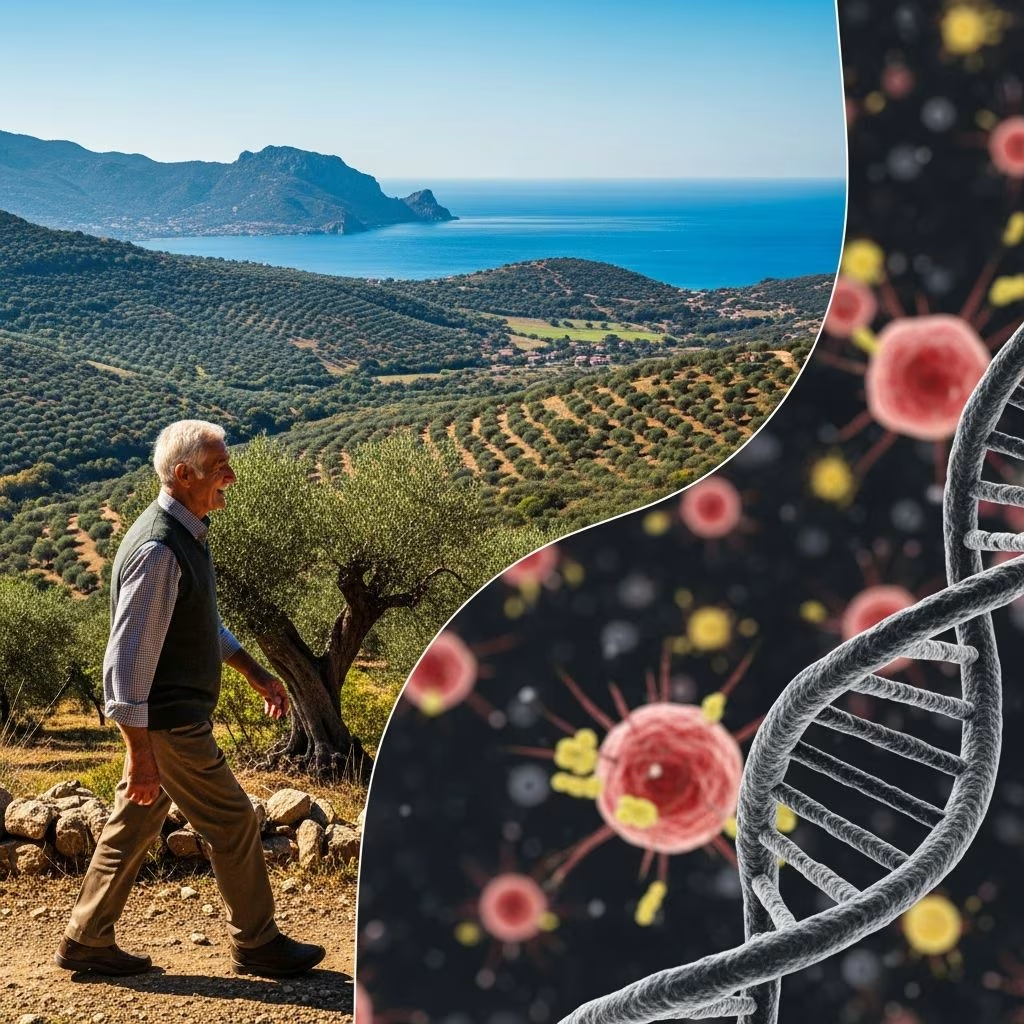
Discover why Sardinia combines exceptional longevity with one of the world's highest type 1 diabetes rates, and what this reveals about island health.
 Travel Essentials
Sardinia represents one of the most intriguing health enigmas in the modern world. This Mediterranean island is simultaneously celebrated as a longevity hotspot and burdened with one of the highest prevalence rates of type 1 diabetes globally. This contradiction has captured the attention of researchers, health professionals, and curious travelers alike, prompting questions about what environmental, genetic, and cultural factors could produce such dramatically divergent health outcomes within the same population.
Sardinia has earned international recognition for the exceptional lifespan of its residents. The island represents one of the world’s five blue zones—regions identified by researchers where people consistently live to 100 years old at rates significantly higher than the global average. This phenomenon has inspired countless studies, wellness books, and tourism initiatives focused on understanding the Sardinian way of life.
The reputation for longevity extends beyond mere statistics. Visitors to Sardinia frequently encounter vibrant elderly residents who maintain active lifestyles, strong family connections, and robust community engagement. This visible vitality contrasts sharply with many developed nations where aging is often associated with decline and isolation. The Sardinian model suggests that reaching advanced age need not mean loss of quality of life or independence.
Paradoxically, Sardinia ranks second only to Finland in global type 1 diabetes incidence rates, a distinction that seems to contradict the island’s celebrated health status. This autoimmune condition, where the body’s immune system attacks insulin-producing cells in the pancreas, affects a disproportionately large segment of the Sardinian population. Beyond type 1 diabetes, the island experiences elevated rates of other autoimmune conditions, suggesting a broader immunological vulnerability affecting the population.
This medical reality presents a profound puzzle. How can a region known for producing some of the world’s longest-living inhabitants simultaneously struggle with diseases of immune dysfunction? The answer lies in a complex interplay of genetic inheritance, environmental factors, and historical circumstances that have shaped Sardinian health patterns over centuries.
Understanding Sardinia’s health paradox requires examining the island’s unique genetic composition. The Sardinian population represents a relatively isolated Mediterranean community with limited genetic mixing compared to mainland populations. This genetic distinctiveness, while contributing to longevity factors in some respects, has also preserved and potentially amplified genetic predispositions to autoimmune conditions.
The island’s history of invasions, migrations, and periods of isolation created a population with specific genetic characteristics. Genetic studies have identified variants in Sardinian inhabitants that may increase susceptibility to type 1 diabetes and other autoimmune disorders. These same genetic factors, paradoxically, may contribute to the resilience and longevity observed in many Sardinians who do not develop these conditions.
Additionally, Sardinia experienced various waves of settlement and conquest that influenced the genetic pool. The indigenous Nuraghic people, who inhabited the island thousands of years ago and form the ancestral base of modern Sardinians, established patterns of settlement and survival that continue to influence contemporary health profiles.
The traditional Sardinian diet stands as a primary factor in the island’s longevity achievements. This cuisine reflects centuries of adaptation to the island’s geography, climate, and available resources. Understanding Sardinian food culture provides insight into how certain populations achieve extended healthspans despite genetic vulnerabilities.
The foundation of Sardinian cuisine rests on foods cultivated and raised locally, rather than seafood commonly associated with Mediterranean diets. This inland focus emerged from historical necessity—the proximity to the Mediterranean Sea made coastal settlements vulnerable to invasion and piracy, prompting Sardinians to develop robust inland communities and agricultural systems.
Key elements of the traditional Sardinian diet include:
Bread occupies a sacred place in Sardinian culture and nutrition. The island’s traditional bread-making practices emphasize whole grains and time-honored fermentation techniques. Pani e oriu (water and barley) bread, along with other dark grain preparations, provide substantial fiber intake and sustained nutritional benefits.
Unlike industrial bread production common in many developed nations, traditional Sardinian bread preparation often involves slow fermentation processes that enhance digestibility and nutrient bioavailability. This contrast becomes particularly significant when considering the prevalence of type 1 diabetes, as the quality and preparation method of carbohydrate sources significantly influence metabolic health and immune function.
Beyond diet, Sardinian longevity reflects lifestyle factors deeply embedded in island culture. Physical activity remains naturally integrated into daily life through occupational demands, community engagement, and recreational practices. The social fabric of Sardinian communities emphasizes intergenerational connection, meaningful work, and purposeful living—factors increasingly recognized as significant contributors to extended lifespan.
The Mediterranean climate provides abundant sunshine, supporting vitamin D synthesis and circadian rhythm regulation. Strong family structures and community bonds create psychological resilience and social support networks that buffer against stress-related disease. Work rhythms, while demanding in agricultural and pastoral contexts, align more closely with natural light cycles compared to the artificial schedules of industrial societies.
Several mechanisms may explain how Sardinia achieves both exceptional longevity and elevated autoimmune disease rates:
Contemporary Sardinia faces health pressures from modernization and dietary changes. Younger generations increasingly adopt processed foods, sedentary lifestyles, and reduced physical activity compared to their ancestors. These transitions may exacerbate autoimmune disease manifestation while potentially undermining the longevity advantages historically enjoyed.
The contrast between traditional and modern Sardinian health outcomes suggests that the benefits of the traditional lifestyle require active preservation. Communities that maintain traditional dietary and lifestyle patterns demonstrate better metabolic and immune health than those who adopt globalized food systems and sedentary routines.
Sardinia’s unique health profile offers valuable lessons for global health strategy. The island demonstrates that population-level health cannot be reduced to single factors—genetics, diet, lifestyle, social structure, and environmental context interact in complex ways to produce health outcomes.
The coexistence of exceptional longevity with elevated autoimmune disease rates challenges simplistic models of what constitutes a “healthy” population. It suggests that achieving extended lifespan may involve accepting or managing specific disease risks, and that populations may optimize for certain health outcomes while remaining vulnerable to others.
The growing international interest in Sardinian longevity has created both opportunities and challenges for the island. Increased tourism can support economic development and cultural awareness but may also accelerate modernization and dietary changes that undermine traditional health practices.
Travelers visiting Sardinia to understand longevity secrets encounter a living laboratory of traditional Mediterranean living. The island’s restaurants, markets, and communities continue to emphasize locally-sourced, traditionally-prepared foods. For visitors, this exposure to authentic Sardinian food culture offers practical lessons in dietary patterns that support both longevity and disease prevention.
Sardinia encapsulates one of modern medicine’s most fascinating paradoxes: a population achieving exceptional longevity while simultaneously burdened with one of the world’s highest type 1 diabetes rates. This contradiction dissolves when viewed through the lens of genetic legacy, environmental adaptation, and cultural practice. The traditional Sardinian lifestyle—characterized by locally-sourced whole foods, community engagement, purposeful work, and strong social bonds—appears to extend lifespan and support overall population health despite genetic predispositions to autoimmune conditions.
The Sardinian example demonstrates that optimal health emerges not from single interventions but from integrated systems of diet, lifestyle, community, and purpose. As populations worldwide seek to extend lifespan and enhance wellbeing, Sardinia offers both inspiration and complexity—showing that longevity is achievable but requires commitment to traditional practices increasingly at odds with modern convenience.
