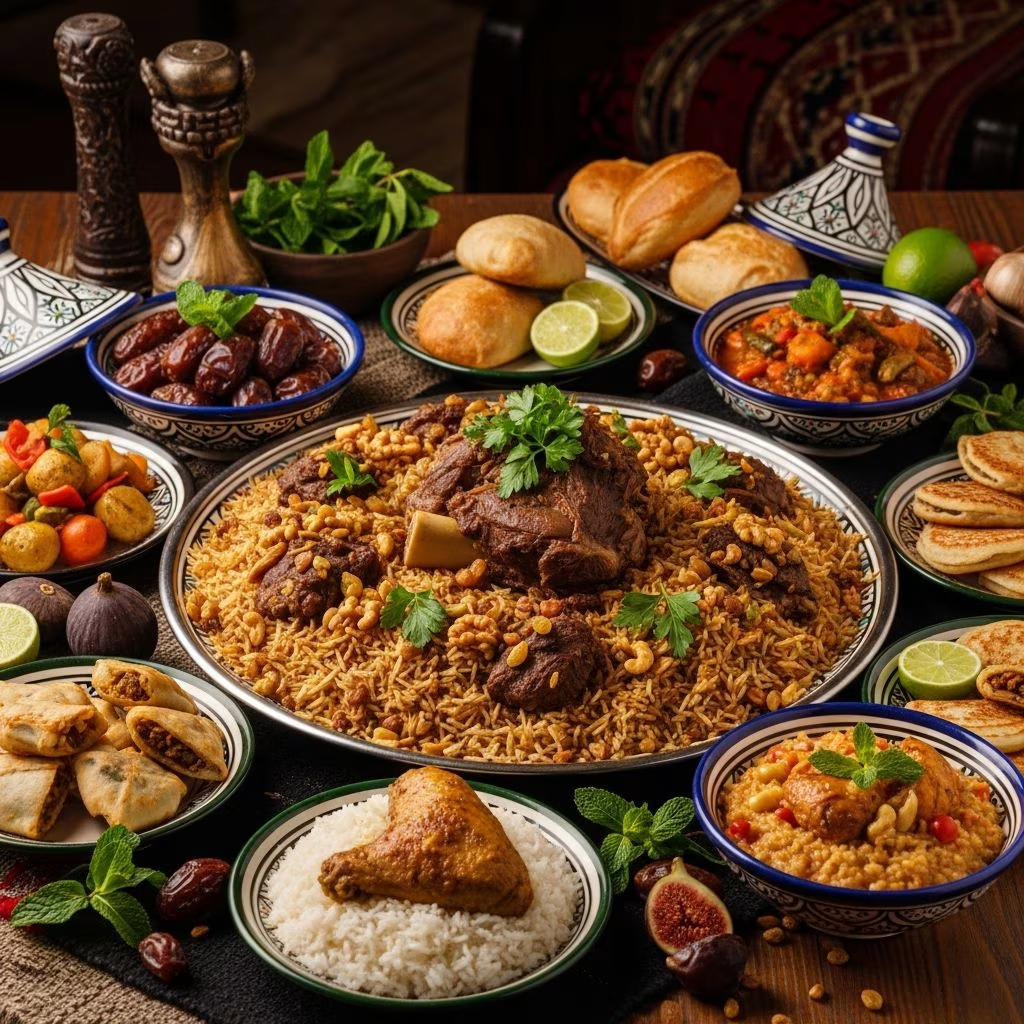
Saudi Arabia’s food culture represents centuries of culinary evolution, shaped by Bedouin traditions, regional agriculture, and cultural practices that continue to define Middle Eastern gastronomy. The nation’s traditional dishes tell stories of hospitality, community, and the deep connection between food and identity. From the vast deserts of the Nejd to the coastal regions of the Asir, each area maintains its own distinctive flavors while sharing common threads of spice mastery and meat-based preparations that have sustained populations for generations.
Understanding Saudi Arabia’s heritage cuisine means exploring dishes that transcend simple sustenance—these meals embody values of generosity, celebration, and cultural pride. Many traditional preparations have been passed down through oral traditions, with family recipes varying slightly from household to household while maintaining core characteristics that make them instantly recognizable across the kingdom.
The Foundation of Saudi Culinary Identity
At the heart of Saudi food culture lies a profound respect for quality ingredients and time-honored cooking methods. Traditional dishes typically feature locally-sourced grains, premium cuts of meat, and aromatic spices that have been integral to Arabian commerce and daily life for centuries. The preparation of these meals often involves communal effort, with families gathering to prepare feasts for celebrations, religious observances, and important gatherings.
The spice profile characteristic of Saudi cuisine reflects the nation’s historical position along ancient trade routes. Black pepper, cardamom, cinnamon, cloves, and dried lemon create flavor combinations that are both complex and distinctive. These ingredients work in concert to create dishes that are neither overly heavy nor insufficiently flavorful, striking a balance that has made Saudi cuisine regionally influential.
Grain-Based Masterpieces: Ancient Recipes with Modern Appreciation
Jareesh: The Officially Recognized National Treasure
Jareesh holds extraordinary significance in Saudi Arabian culinary heritage, achieving official recognition as the national dish in 2023. This ancient preparation, rooted in recipes documented in classical Arabian cookbooks, represents the culinary identity of the Central region, particularly the Nejd areas. The dish’s prominence extends beyond everyday dining into ceremonial occasions, where it appears as a centerpiece of hospitality and celebration.
The preparation of Jareesh begins with cracked wheat, a staple grain that provides the dish’s structural foundation. Cooks soak the wheat while simultaneously preparing lamb or chicken through careful sautéing with aromatics. The meat selection depends on regional availability and family preference, though lamb remains the most traditional choice. Once the meat reaches appropriate tenderness, the components combine in rich broth to achieve a creamy, porridge-like consistency that defines authentic Jareesh.
Seasonings for Jareesh follow a measured approach, incorporating cumin, coriander, black pepper, and salt in proportions that allow each element to remain distinguishable. The result is a deeply satisfying dish that provides both nutritional substance and comfort, particularly valued during winter months and throughout Ramadan when families seek warming, nourishing meals.
Matazeez: The Hearty Central Region Specialty
Originating from the Central region and particularly celebrated throughout Qassim, Matazeez represents a different approach to grain-based cooking. Known by various regional names including marasi’, al-quraysat, al-masabieh, and al-dahalis, this dish demonstrates how Saudi cuisine adapts while maintaining core principles. The preparation relies on locally-produced whole wheat, which cooks form into thick circular shapes called mathayel.
The preparation method for Matazeez involves dipping the wheat dough pieces into concentrated meat and vegetable broths, creating layers of flavor and ensuring the dish achieves a rich, substantial texture. The concentration of broth proves critical—cooks must maintain careful balance to produce the thick consistency that characterizes authentic preparations. Like many warming dishes, Matazeez gains particular popularity during colder months and becomes a Ramadan staple, offering the sustenance and comfort families seek during fasting periods.
Aromatic Rice Preparations: The Foundation of Saudi Hospitality
Kabsa: The Universally Recognized Symbol of Saudi Identity
Kabsa transcends its role as merely a popular rice dish, functioning as a symbol of Saudi identity, cultural connection, and the values of hospitality that permeate Arabian society. Found across virtually every region of the kingdom, Kabsa adapts to local ingredients while maintaining fundamental characteristics that make it distinctly Saudi.
The construction of Kabsa begins with premium basmati rice, which serves as the canvas for the dish’s complex flavor profile. The rice combines with meat—typically chicken or lamb, though regional variations include goat, camel, beef, fish, or shrimp—creating a protein-rich foundation. The preparation methodology matters significantly: cooks first sauté meat in oil before introducing the spice blend, then add aromatics including onions, tomatoes, and carrots.
The spice combination for Kabsa demonstrates the sophistication of Saudi culinary technique, incorporating cardamom, cinnamon, cloves, black lime (loomi), bay leaves, and nutmeg. These aromatic elements combine to create a flavor profile that is warming without being aggressive, complex without overwhelming the palate. The addition of raisins or dried apricots provides subtle sweetness, creating balance and depth. The final cooking stage involves combining rice with remaining ingredients and broth, allowing the rice to absorb both liquid and the aromatic essence of the spice blend until reaching perfect tenderness.
Mufattah: The Generous Expression of Abundance
Mufattah embodies the Arabian principle of hospitality through its presentation methodology, serving roasted lamb atop a bed of rice in a manner considered a symbol of generosity and celebration. This particular serving technique appears prominently during significant occasions and formal feasts, where the visual presentation carries as much significance as the flavors themselves.
Savory Street Foods and Regional Specialties
Mutabbaq: The Versatile Folded Pastry with Complex Origins
Mutabbaq represents the intersection of Saudi tradition with broader Middle Eastern influences, demonstrating how culinary exchange enriches regional food cultures. The dish features a crispy dough exterior that provides textural contrast to the savory filling, creating an eating experience that engages multiple senses simultaneously.
The filling composition for Mutabbaq varies across regions but typically includes minced meat—beef, lamb, or chicken—seasoned with onions, tomatoes, cumin, and coriander. Whisked eggs bind the filling and add moisture, creating juiciness in each bite. Fresh vegetables such as spring onions, green peppers, and tomatoes incorporate brightness and nutritional value, while herbs including parsley combine with black pepper and salt to create balanced seasoning.
Heneeth: The Asir Region’s Underground Delicacy
Heneeth showcases the unique culinary traditions of the Asir province, where traditional cooking methods persist in outdoor preparations. The dish is traditionally prepared in iron pots or sand pits called mahnaz, utilizing specialized technique that produces distinctive results impossible to replicate through conventional cooking methods.
The preparation of Heneeth involves layering markh plant—a locally significant botanical element—with meat pieces, then covering with additional plant material and cloth before sealing tightly. The cooking process requires careful heat management, with firewood ignition creating balanced high temperatures that cook meat to optimal tenderness over two to three hours. The result serves alongside rice, creating a complete meal that represents Asir’s culinary identity.
Bread-Based Traditions and Accompaniments
Thareed: The Bread and Broth Foundation
Thareed presents a simpler yet no less important tradition in Saudi cuisine, featuring thin bread discs soaked in meat and vegetable broths. This humble preparation gained particular significance in classical Islamic tradition and continues as a staple in both everyday dining and special occasions. The dish demonstrates how quality ingredients and proper technique can create satisfying meals without excessive complexity.
Regional Bread Specialties
Various regions maintain distinct bread traditions that accompany or feature in heritage dishes. The Muqana Bread from Al-Baha region involves whole wheat flour dough rolled on heated stone slabs over firewood, achieving distinctive dark brown coloring. Such preparations showcase how traditional cooking equipment and techniques produce results that modern conveniences cannot fully replicate.
The Role of Hospitality and Celebration
Saudi Arabian food culture inseparably links cuisine to the values of generosity, community, and celebration. Traditional dishes appear most prominently during significant occasions—religious celebrations, family gatherings, weddings, and formal feasts. The preparation and sharing of these meals represents more than nutritional necessity; it embodies cultural identity and strengthens social bonds.
Many heritage dishes maintain particular significance during Ramadan, when families gather after sunset to break fasts with meals featuring traditional preparations. This seasonal emphasis ensures that knowledge of traditional cooking methods passes from generation to generation, maintaining cultural continuity even as modern life accelerates.
Understanding Ingredient Selection and Quality
The quality of heritage dish preparation depends significantly on ingredient selection. Premium basmati rice, properly aged and sourced, creates superior Kabsa compared to inferior varieties. Similarly, freshly ground spices deliver more complex flavor profiles than pre-packaged alternatives. Locally-raised lamb and goat provide distinctive tastes that beef or chicken cannot replicate, influencing the final character of traditional preparations.
The use of black lime (loomi), a sun-dried citrus product, demonstrates how Saudi cooks preserve ingredients to maintain flavor intensity throughout seasons when fresh alternatives prove unavailable. This preservation methodology reflects both practical necessity and culinary sophistication, adding dimension to dishes that would otherwise lack acidity and brightness.
Contemporary Appreciation of Heritage Cuisine
Modern Saudi Arabia witnesses renewed interest in heritage cuisine, with younger generations seeking to preserve traditional knowledge alongside contemporary culinary innovation. Restaurants specializing in regional specialties gain prominence, while families continue home preparation of ancestral recipes. This balance between preservation and evolution ensures that traditional dishes remain living practices rather than historical relics.
The official recognition of Jareesh as the national dish in 2023 represents institutional acknowledgment of cuisine’s cultural importance. Such recognition encourages documentation of recipes, teaching of preparation techniques, and celebration of the regional identities embedded within traditional food practices.
Essential Tips for Experiencing Saudi Heritage Cuisine
- Seek out family-operated restaurants where recipes reflect generations of refinement rather than modern reinterpretation
- Consider timing your visit to coincide with Ramadan or major celebrations when heritage dishes feature most prominently
- Request explanations of regional variations, as dishes adapt slightly based on local ingredient availability and cultural preferences
- Observe the spice profiles carefully—complexity rather than heat defines authentic Saudi cuisine
- Participate in communal dining experiences, as the social aspect remains integral to food appreciation in Saudi culture
- Taste bread-based preparations alongside rice dishes to understand the complete culinary landscape
Frequently Asked Questions About Saudi Heritage Cuisine
What distinguishes Kabsa from other Middle Eastern rice dishes?
Kabsa’s distinctive character emerges from its specific spice combination—particularly the inclusion of black lime (loomi) alongside cardamom, cinnamon, and cloves—and the methodology of cooking meat and rice together in shared broth, allowing flavor integration that creates unity rather than layered components.
Why does Jareesh hold such cultural significance in Saudi Arabia?
Jareesh’s official designation as the national dish reflects its ancient origins in classical Arabian cookbooks, its central role in Nejd regional identity, and its continued prominence in everyday dining and ceremonial occasions throughout modern Saudi Arabia.
How do Saudi cooks adapt traditional dishes for regional preferences?
Regional variations maintain core preparation principles while adjusting protein selections based on local availability, incorporating regional herbs and vegetables, and sometimes modifying cooking methods to suit available equipment. For example, coastal regions might substitute fish or shrimp in dishes traditionally prepared with lamb.
What role does meat selection play in heritage dish preparation?
Meat type fundamentally influences flavor profiles and dish character. Lamb provides the most traditional taste, goat offers distinctiveness, chicken presents milder alternatives, and regional proteins like camel or fish allow for creative variations while maintaining recipe integrity.
Why do heritage dishes gain particular prominence during Ramadan?
Ramadan fasting creates specific nutritional and comfort needs that heritage dishes satisfy through warming, substantial preparations. The cultural tradition of breaking fasts with family meals creates opportunities to prepare and share ancestral recipes, strengthening both family bonds and cultural continuity.
Conclusion: The Enduring Legacy of Saudi Culinary Tradition
Saudi Arabia’s heritage cuisine represents far more than regional food preferences—it embodies centuries of cultural development, values of hospitality and generosity, and the profound human need to create meaning through shared meals. From the ancient grain preparations of Jareesh to the aromatic complexity of Kabsa, traditional dishes continue serving as cultural ambassadors, transmitting heritage to new generations while adapting to contemporary contexts.
The deliberate preservation of these recipes, demonstrated through official recognition of heritage dishes and the continued prominence of family cooking traditions, ensures that Saudi culinary identity remains vibrant and relevant. Whether experienced in family homes, specialized restaurants, or ceremonial gatherings, these dishes offer visitors and locals alike genuine connection to Saudi Arabia’s cultural essence.
References
- Culinary Experiences in Saudi Arabia: Discovering Traditional Dishes — Orient Memories. Accessed April 2026. https://www.orient-memories.com/en/destinations/saudi-arabia/explore/culinary-highlights-and-traditional-dishes-in-saudi-arabia
- Saudi Arabian Cuisine — Wikipedia. Accessed April 2026. https://en.wikipedia.org/wiki/Saudi_Arabian_cuisine