

 Travel Essentials
 Travel Essentials

Plan your ultimate hiking adventure along Scotland's east coast, from Inverness to John o'Groats, featuring trail tips, transport, weather prep, and packing essentials for an unforgettable journey.
 Travel Essentials
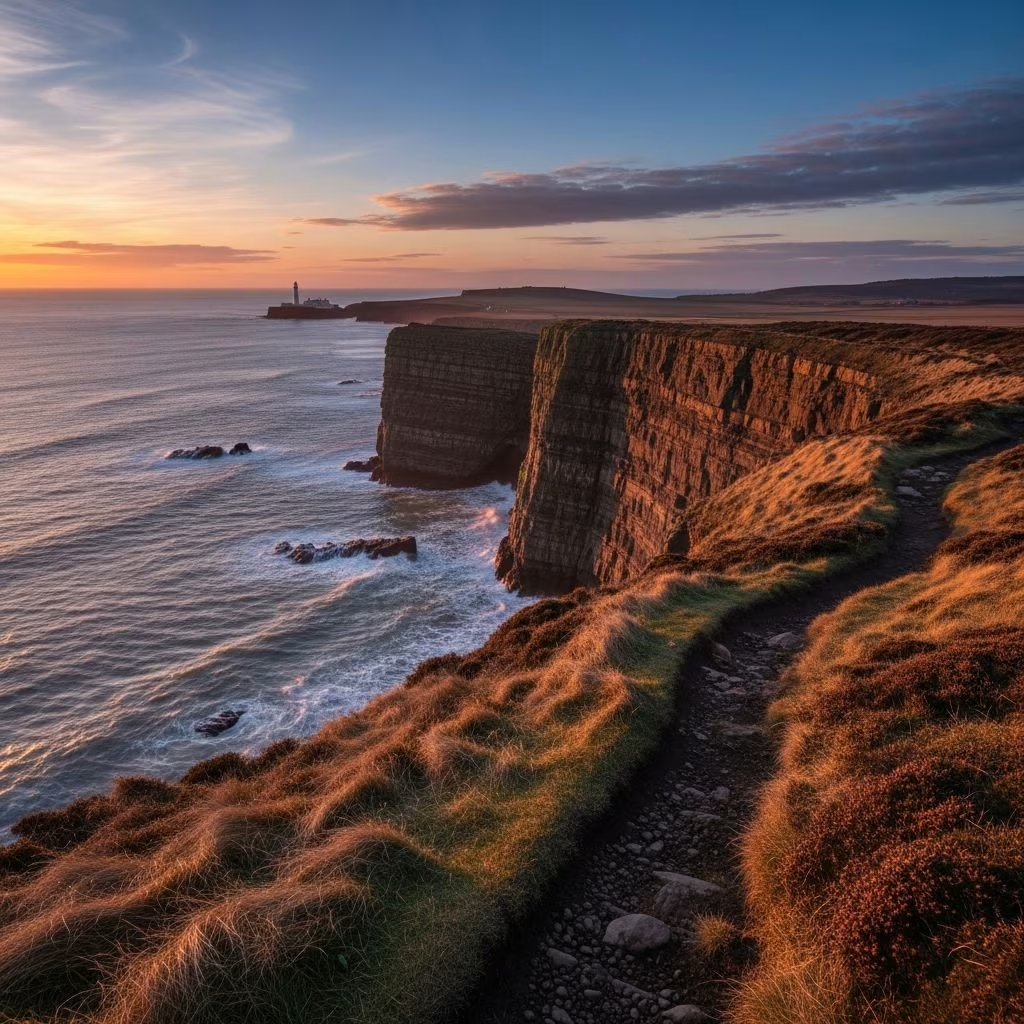
Scotland’s east coast offers a tranquil alternative to the bustling North Coast 500, with expansive beaches, dramatic cliffs, and peaceful villages perfect for immersive walking experiences. This guide equips you with everything needed to craft a rewarding multi-day hike, emphasizing public transport integration and practical preparation for the region’s unique challenges.
Begin by selecting a route that aligns with your fitness level and time constraints. The **John O’Groats Trail** stands out as a premier option, spanning 147 miles from Inverness to John o’Groats. This path hugs the coastline, showcasing golden sands, secluded coves, and imposing cliffs, divided into digestible segments for flexible planning.
For a more extensive challenge, consider piecing together regional trails into a full east coast traverse, roughly 600 miles from Berwick-upon-Tweed northward. Link paths like the Berwickshire Coast Path, Fife Coastal Path, Angus Coast Way, Moray Coastal Path, and segments of the Aberdeenshire Coast Path. Pilgrim routes such as St Duthac’s Way add historical depth from Aberdeen to St Andrews.
Always verify current conditions, as coastal erosion can alter paths; use GPX files cautiously and prioritize safety over strict adherence.
Scotland’s Highland weather demands strategic timing. Summer (June-August) provides longer days and milder temperatures, ideal for extended walks, though midges peak in July. Shoulder seasons like spring (April-May) or autumn (September-October) offer fewer crowds and vibrant scenery, but pack for rapid shifts from rain to sun.
| Season | Pros | Cons | Best For |
|---|---|---|---|
| Spring | Wildflowers, low crowds | Cool, wet | Scenic solitude |
| Summer | Long daylight, warmth | Midges, busier | Family hikes |
| Autumn | Fall colors, fewer bugs | Shorter days, wind | Photography |
| Winter | Dramatic storms | Short days, icy | Experienced only |
Avoid Sundays for travel-heavy days due to reduced services; use them for rest or short loops.
Public transport is sparse but sufficient with foresight. Trains connect major hubs like Inverness to Wick, veering inland mid-route, while buses serve more villages. Stagecoach and Citylink operate key lines; consult timetables via Traveline Scotland for real-time updates.
Sample Itinerary Integration:
No advance bookings needed for most services, allowing on-trail adjustments, but confirm last departures to avoid stranding. For longer epics, sleeper trains from Inverness facilitate sectioned trips.
Layering is crucial for variable conditions: breathable base layers, insulating mid-layers, and a waterproof jacket/pants. Invest in sturdy, waterproof boots with good ankle support for uneven terrain. Don’t overlook sun protection, hat, and insect repellent.
Food scarcity means self-sufficiency: pack lunches from towns, stock energy gels/bars, and a portable stove for evenings. Water sources are plentiful but treat if needed.
Diverse lodging keeps costs manageable. B&Bs and guesthouses in villages like Dornoch or Wick offer home comforts; hostels in Thurso or Inverness suit budget travelers. Wild camping follows Scotland’s right-to-roam ethos – pitch responsibly, leave no trace.
Booking peaks in summer; use platforms like VisitScotland for availability. Campsites dot coastal spots, some with facilities. For multi-day, alternate wildcamps with inns to balance fatigue.
Encounter seals, dolphins, seabirds, and otters; keep distance to avoid disturbance. Ticks thrive in grassy areas – check daily. Erosion risks mean sticking to paths; in fog, use visibility aids.
Emergency: Mountain Rescue via 999. Weather apps like Met Office provide forecasts; turn back if gales loom.
| Day | Route | Distance | Stay | Transport |
|---|---|---|---|---|
| 1 | Inverness to Culbokie | 15mi | B&B | Bus out |
| 2 | Culbokie to Cromarty | 12mi | Camp | – |
| 3 | Cromarty to Tain | 18mi | Guesthouse | Bus option |
| 4-9 | Dornoch to Wick | 20mi/day | Mix | Buses link |
| 10 | Wick to John o’Groats | 14mi | Hostel | Bus back |
Adapt based on fitness; total ~147 miles.
For ambition, start in Berwick: Day 1 Eyemouth (12mi), progressing via Dunbar, North Berwick, Fife, Dundee, Aberdeen, Peterhead, Cullen, then north. Multi-week commitment yields wilder, less-traveled gems.
Partially; northern sections are rugged and unmarked – navigation skills essential.
Avoid July evenings; use repellents year-round.
Yes, responsibly; avoid fields/crops.
Buses more frequent for villages; check apps.
Moderate overall; strenuous in north due to climbs/erosion.
Escape crowds for authentic Highland serenity, blending physical challenge with profound natural beauty. Meticulous planning unlocks solitude amid endless horizons.
