


 Food & Culture
Food & Culture
Sean Sherman and Owamni: Reviving Indigenous North American Cuisine
Explore Chef Sean Sherman's mission to decolonize American cuisine through Owamni restaurant and NATIFS nonprofit, using only native North American foods.
 Food & Culture
Chef Sean Sherman, a member of the Oglala Sioux Tribe, is leading a transformative movement in the culinary world by bringing back the rich, forgotten tastes of North America’s original inhabitants. Through his acclaimed restaurant Owamni by The Sioux Chef in Minneapolis and his nonprofit organization, North American Traditional Indigenous Food Systems (NATIFS), Sherman challenges modern diners to rethink what “local” and “authentic” truly mean.
The Roots of a Culinary Pioneer
Born in South Dakota, Sean Sherman’s early life was steeped in the traditions of the Great Plains, where family gatherings revolved around wild game, foraged plants, and stories passed down through generations. Despite this foundation, Sherman pursued a conventional chef’s path across the U.S. and globe, working in high-end kitchens from San Francisco to Singapore. It was during these travels that he realized a profound gap: North American cuisine, as popularly known today, bore little resemblance to the foods his ancestors thrived on for millennia.
Returning to his roots, Sherman founded The Sioux Chef in 2014 with his partner Dana Thompson. This venture wasn’t just a catering company; it was a platform for education and reclamation. They began hosting pop-up dinners and workshops, introducing urban audiences to dishes made exclusively from ingredients native to Turtle Island—the Indigenous name for North America. This hands-on approach quickly gained traction, earning Sherman a James Beard Award and setting the stage for something bigger.
Owamni: A Beacon of Decolonized Dining
Perched along the Mississippi River in Minneapolis’s historic Mill Ruins Park, Owamni opened in 2021 (after pandemic delays from its original 2020 plan) as a permanent home for Sherman’s vision. The name “Owamni,” meaning “where the waters swirl at the falls,” honors the site’s sacred Dakota heritage. Here, every plate tells a story of resilience and ingenuity, crafted without a single colonial import.
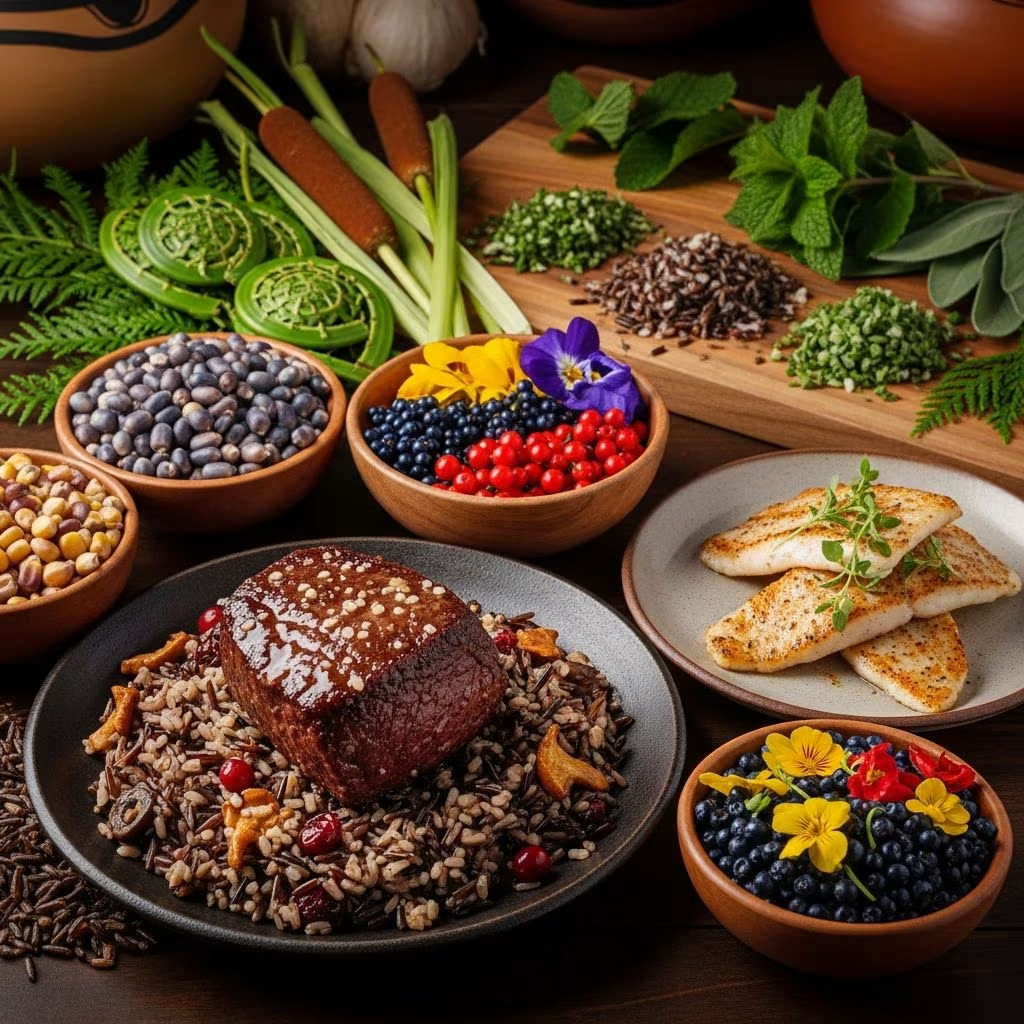
The restaurant’s philosophy is simple yet radical: exclude wheat, dairy, cane sugar, beef, chicken, pork, and other European introductions. Instead, the menu celebrates wild rice harvested by hand, bison from regional ranches, native berries, maple syrup, and foraged mushrooms. Diners savor innovative creations like smoked duck with sumac, grilled sunchoke with hazelnuts, or cedar-braised venison—flavors that burst with earthiness and depth.
- Signature Dishes: Explore bold combinations such as elk with roasted sweet potatoes and pepitas, forest mushroom tacos wrapped in heirloom corn tortillas, or bison bowls layered with indigenous grains.
- Seasonal Focus: Menus shift with nature’s bounty, emphasizing hyper-local sourcing from Minnesota’s lakes, prairies, and forests.
- Accessibility: Owamni offers a tasting menu for immersive experiences, alongside à la carte options to welcome first-timers.
This approach earned Owamni the prestigious James Beard Foundation’s Best New Restaurant award in 2022, cementing its status as a national culinary landmark.
Decolonizing the Plate: What It Means
“Decolonized” cuisine strips away 500 years of imposed ingredients, revealing the sophisticated food systems Indigenous peoples developed. Before European contact, communities across the continent cultivated over 1,500 plant species, managed vast wild rice lakes, and hunted sustainably. Sherman’s work spotlights this diversity, countering the narrative that Native foods were primitive.
| Colonial Ingredients (Excluded) | Indigenous Alternatives |
|---|---|
| Wheat flour, dairy, cane sugar | Heirloom corn, wild rice, maple syrup |
| Beef, pork, chicken | Bison, duck, venison, fish from local waters |
| Imported spices | Sumac, juniper, native herbs like bee balm |
By rebuilding supply chains with Indigenous farmers and foragers, Owamni supports economic sovereignty. This isn’t nostalgia; it’s a blueprint for sustainable, flavorful eating in a climate-challenged world.
NATIFS: Beyond the Restaurant
Sherman’s impact extends far beyond Owamni through NATIFS, co-founded with Thompson. This nonprofit revives traditional food systems by training Indigenous entrepreneurs, hosting youth camps, and creating model farms. Programs like the Urban Indigenous Food Lab teach modern twists on ancestral techniques, while the Wanáȟičag Otuȟwahe initiative builds community kitchens on reservations.
NATIFS collaborates with tribes to reclaim seeds, like the scarlet runner bean or eight-row corn, nearly lost to industrial agriculture. Educational pop-ups and online resources demystify Indigenous cuisine for non-Native audiences, fostering allyship. In 2023 alone, NATIFS supported over 20 food businesses, proving scalability.
Indigenous Ingredients Spotlight
Central to Sherman’s revolution are everyday “superfoods” overlooked by mainstream diets:
- Wild Rice (Manoomin): Sacred to Anishinaabe peoples, this aquatic grass is hand-harvested in Minnesota’s lakes, offering nutty flavor and complete protein.
- Bison: Leaner than beef, ethically sourced from Plains tribes, rich in omega-3s.
- Maple Syrup: Tapped from sugarbushes, a labor-intensive tradition yielding complex sweetness.
- Foraged Greens: Nettles, ramps, and wood sorrel add vibrant, mineral-packed punch.
- Three Sisters (Corn, Beans, Squash): Interplanted for soil health, forming balanced meals.
These staples aren’t just ingredients; they’re cultural repositories, tying eaters to land and history.
Challenges and Triumphs in the Movement
Reviving Indigenous cuisine faces hurdles: limited ingredient access, supply chain gaps, and skepticism from a Eurocentric food world. Sherman counters with persistence, partnering with 200+ producers. Owamni’s success—packed reservations and global acclaim—validates the model.
COVID-19 tested resilience, delaying Owamni’s launch, but pivoting to takeout strengthened community ties. Sherman also authored “The Sioux Chef’s Indigenous Kitchen,” a 2017 James Beard winner, sharing recipes and lore.
Why This Matters for Modern Travelers and Foodies
For visitors to Minneapolis, Owamni offers more than a meal—it’s a portal to unfiltered American history. Pair it with Mill City Museum tours or Mississippi River walks for context. Sherman’s work inspires a broader shift: restaurants nationwide now source native foods, from Seattle’s Tilth to New York’s Mie.
This movement addresses health disparities too; Indigenous communities suffer high diabetes rates from processed foods. Traditional diets, high in whole plants and lean proteins, promote wellness.
FAQs
What makes Owamni’s menu unique?
Owamni uses only pre-1492 North American ingredients, creating modern dishes rooted in Indigenous traditions without colonial additions like dairy or wheat.
Can non-Native people dine at Owamni?
Absolutely—it’s open to all, emphasizing education and shared appreciation of Indigenous foodways.
How does NATIFS support communities?
Through training, grants, and infrastructure for Indigenous-led food businesses, fostering sovereignty and cultural revival.
Is wild rice sustainable?
Yes, traditional harvesting protects ecosystems, unlike paddy-grown varieties.
Reservations at Owamni?
Book months ahead via their site; walk-ins rare due to popularity.
Getting Involved
Support by dining at Owamni, donating to NATIFS, or hosting your own decolonized potluck. Follow Sean Sherman for events and recipes. This culinary renaissance invites everyone to honor the continent’s true first foods.
References
- How this Minneapolis chef is reintroducing Native American cuisine — Lonely Planet. 2023-07-01. https://www.lonelyplanet.com/articles/minneapolis-chef-reintroducing-native-american-cuisine
- Sioux Chef Is Revitalizing Native American Cuisine — Beyondish. 2022-05-15. https://beyondish.com/sioux-chef-minneapolis/
- Chef Sean Sherman | Indigenous food systems — Sean Sherman Official Site. 2024-01-10. https://seansherman.com
- The Minneapolis Chef Revitalizing Native American Cuisine — Mashed. 2023-09-20. https://www.mashed.com/1066530/the-minneapolis-chef-revitalizing-native-american-cuisine/
- Chef Sean Sherman’s Mission to Bring Back Indigenous Foods — YouTube (Food & Wine). 2023-06-12. https://www.youtube.com/watch?v=qT-LqBgxh5c
- Owamni Restaurant – Minneapolis, MN — Owamni Official Site. 2024-03-05. https://owamni.com
← Previous
Marseille on a Budget: Affordable Things to Do, Eat, and See
Next →
10 Hidden Surf Destinations for Uncrowded Waves
Related Reading
More in Food & Culture
Food & Culture Food & Culture
 Food & Culture
Best Places to Eat in Rome: Neighborhood Dining Guide
 Food & Culture
 Food & Culture