

 Travel Essentials
 Travel Essentials

Explore Sedona and Santa Fe, two premier wellness destinations offering natural beauty, cultural richness, and spiritual experiences for rejuvenating travel.
 Travel Essentials
When seeking a meaningful escape from daily routines, two destinations in America’s Southwest emerge as exceptional choices for those pursuing renewal and rejuvenation. Separated by approximately six hours of travel through expansive national forests, these contrasting yet complementary locations offer distinct experiences rooted in natural beauty, cultural depth, and transformative wellness practices. Whether drawn to mystical energy or historical authenticity, travelers find that these regions provide the perfect backdrop for personal restoration and adventure.
The Southwest’s two most prominent wellness destinations each possess their own personality and appeal. One embodies an ethereal, mysterious quality that attracts those seeking spiritual connection and energy experiences. The other maintains strong historical foundations with deep cultural roots woven throughout its contemporary identity. Together, they represent complementary approaches to wellness travel—one emphasizing introspection and metaphysical exploration, the other celebrating grounded cultural heritage and artistic expression.
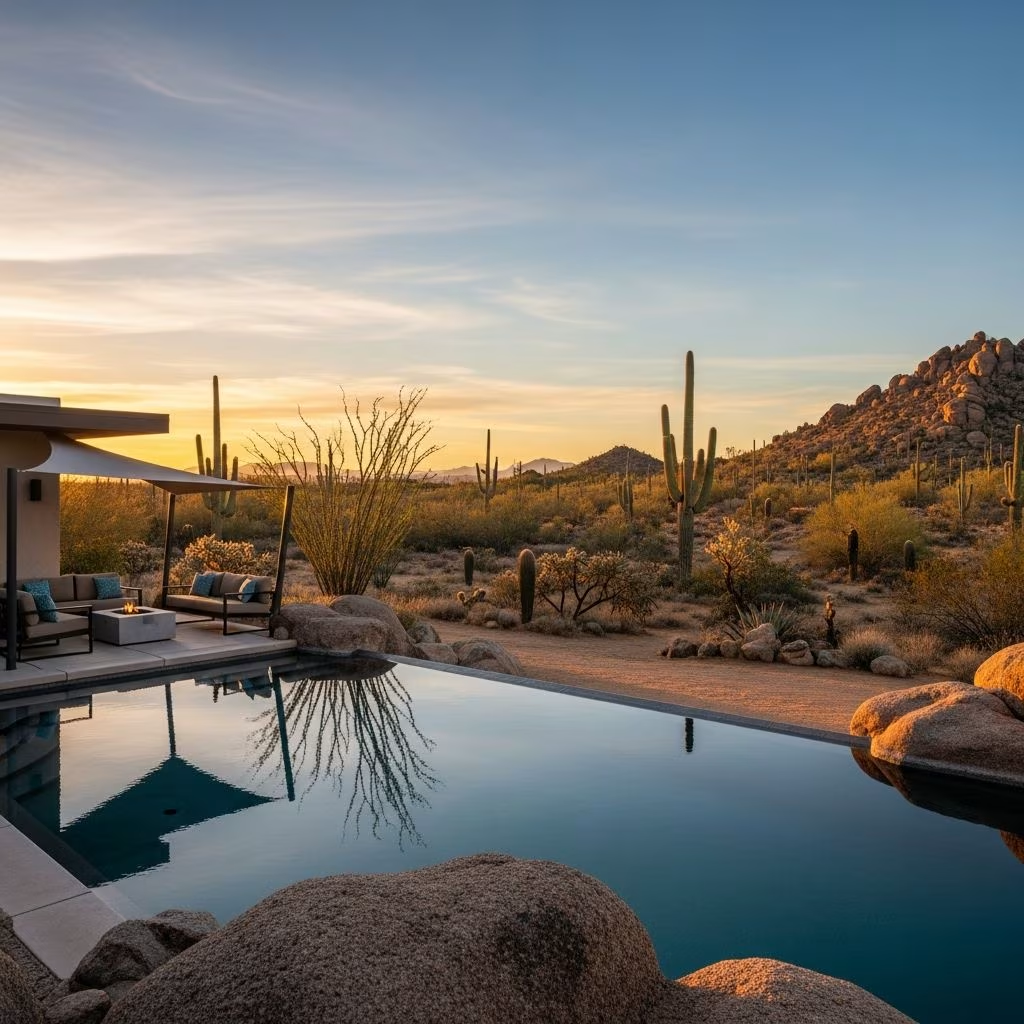
Both destinations have earned recognition among travelers prioritizing mental health, creative inspiration, and physical wellness. The regional landscape itself—dramatic red rock formations, high desert plateaus, and brilliant sunlight—contributes significantly to the restorative atmosphere each location cultivates. Visitors consistently report feeling energized, inspired, and fundamentally changed by their time in these environments.
Sedona, Arizona’s most celebrated destination, has become synonymous with spiritual energy and metaphysical tourism. The region’s distinctive geological formations create a landscape that inspires awe and contemplation. Visitors are drawn to specific locations believed to possess concentrated energy fields, making them destinations for meditation, yoga, and personal reflection.
The outdoor recreation opportunities complement the spiritual dimensions. Hiking trails range from accessible walks to challenging adventures, offering encounters with stunning vistas and ancient geological formations. Rock climbing, mountain biking, and water activities provide physically engaging ways to experience the natural environment. The combination of outdoor adventure and wellness-focused activities creates a comprehensive approach to rejuvenation.
Beyond outdoor activities, Sedona’s infrastructure supports wellness tourism extensively. Luxury resorts and spas offer treatments incorporating regional elements and holistic philosophies. Yoga studios, meditation centers, and wellness practitioners operate throughout the community. Art galleries and creative spaces reflect the destination’s appeal to artists and creative professionals seeking inspiration from the landscape.
The proximity to additional natural attractions enhances Sedona’s value as a base for Southwest exploration. Major national parks and monuments lie within reasonable driving distances, allowing visitors to expand their experiences beyond the immediate area.
Santa Fe represents a different yet equally compelling wellness approach, emphasizing cultural immersion, artistic engagement, and historical connection. The city functions as a living museum where contemporary life intertwines with centuries of indigenous, Spanish colonial, and Anglo-American heritage. This layering of histories creates an atmosphere distinct from typical tourist destinations.
The city’s museum collections form the backbone of its cultural identity. These institutions preserve and present artifacts, artworks, and historical narratives spanning thousands of years. Visitors engage with regional history not as passive observers but as participants in understanding how past civilizations and artistic traditions continue shaping present-day culture. This educational immersion contributes meaningfully to intellectual wellness and personal growth.
Santa Fe’s vibrant market scene provides another dimension of cultural engagement. Regular farmers’ markets showcase local agricultural products and handcrafted items. Specialized markets celebrate indigenous arts, regional crafts, and contemporary artistic creations. These venues facilitate direct connections between visitors and local producers, supporting community economics while offering authentic cultural experiences.
The culinary landscape reflects the region’s multicultural heritage, with restaurants serving traditional New Mexican cuisine alongside contemporary interpretations. Local ingredients, traditional preparation methods, and family recipes create dining experiences that nourish both body and cultural understanding. Food becomes a medium for appreciating regional identity and supporting sustainable local agriculture.
The Southwest region surrounding these two destinations contains some of North America’s most spectacular natural formations and protected landscapes. From Sedona, visitors can undertake day trips or extended excursions to witness geological wonders that inspire contemplation and wonder.
The Grand Canyon represents perhaps the most iconic natural destination accessible from Sedona. Multiple routes and approaches—including private vehicle travel, guided group tours, and scenic flights—accommodate different preferences and abilities. Visitors can explore various viewpoints, hike into canyon depths, or simply stand at the rim absorbing the immensity of the landscape. The experience of confronting such vast geological time and scale often triggers profound shifts in perspective and appreciation for natural processes.
Additional protected areas near Sedona include national monuments featuring ancient cliff dwellings and pueblo ruins. These archaeological sites provide tangible connections to civilizations that thrived in the Southwest for centuries. Understanding how previous inhabitants adapted to the challenging desert environment offers lessons in resilience, ingenuity, and sustainable living.
From Santa Fe, similar opportunities for natural exploration exist, though with different geological and cultural contexts. The high-altitude landscape surrounding the city offers hiking, outdoor recreation, and encounters with pristine natural environments. Regional parks and protected areas preserve both natural features and cultural heritage sites important to indigenous and Hispanic communities.
Timing and duration significantly impact the quality of Southwest travel experiences. While brief visits allow glimpses of major attractions, longer stays enable deeper engagement with regional culture, more extensive hiking and outdoor exploration, and the relaxation essential to genuine wellness travel. Seven to ten-day itineraries balance comprehensive exploration with practical travel constraints for most visitors.
Seasonal considerations affect both weather conditions and visitor volumes. Spring and fall offer moderate temperatures ideal for outdoor activity and sightseeing. Summer brings extreme heat that limits comfortable outdoor exploration, while winter conditions vary significantly by elevation. Each season presents distinct advantages and challenges requiring thoughtful planning.
Accommodations span a wide range of options and price points. Luxury resorts and spa facilities cater to those seeking pampering and premium services. Boutique hotels and inns offer character and personalized experiences. Vacation rentals provide home-like comfort and flexibility. Budget-conscious travelers find accessible options throughout both regions. The choice depends on personal preferences, budget constraints, and desired amenities.
Regional cuisine represents more than sustenance—it embodies cultural history, agricultural practices, and community identity. New Mexican food traditions, featuring distinctive chiles and indigenous ingredients, create distinctive flavors found nowhere else. Learning about regional foodways, visiting local markets, and dining at restaurants operated by community members provides cultural education and supports local economies.
Specific restaurants in Santa Fe have earned regional and national recognition for excellence and authenticity. These establishments often feature family recipes, locally sourced ingredients, and preparation methods passed through generations. Dining at such venues connects visitors to cultural traditions and supports culinary heritage preservation.
Sedona’s dining scene reflects its more contemporary character while still incorporating regional influences. Options range from fine dining establishments to casual eateries, many featuring Southwestern ingredients and flavors. The dining experience complements the wellness focus, with many restaurants emphasizing fresh, high-quality ingredients and health-conscious preparations.
Both destinations function as magnets for artists, creative professionals, and those seeking inspiration. The landscapes themselves spark creative impulses, while established art communities provide cultural infrastructure supporting artistic expression and cultural exchange.
Santa Fe’s art scene encompasses traditional Native American art forms, contemporary visual arts, literary traditions, and performing arts. Regular festivals, gallery exhibitions, and cultural events draw artists and enthusiasts worldwide. The city functions as a creative hub where artistic traditions maintain relevance while evolving through contemporary expression.
Sedona attracts visual artists drawn to the distinctive landscape and light quality. Art galleries, studios, and creative spaces throughout the community showcase regional and international artists. The spiritual and metaphysical communities overlap with artistic communities, creating unique cultural dynamics.
Q: How much time should I allocate for a Southwest wellness retreat?
A: Seven to ten days allows adequate time for both destinations, outdoor exploration, cultural activities, and relaxation. Shorter trips sacrifice depth of experience, while longer stays enable unhurried engagement with regional culture and natural wonders.
Q: What is the best season for visiting?
A: Spring (March-May) and fall (September-November) offer ideal weather conditions. Summer brings extreme heat challenging for extensive outdoor activities, while winter conditions vary by elevation. Consider your preferred climate and activity level when selecting timing.
Q: Are these destinations suitable for visitors with limited mobility?
A: Both locations offer accessible cultural venues, scenic viewpoints, and accommodations. However, many popular hiking trails and natural attractions require significant physical ability. Research specific attractions and discuss options with venue operators when planning your itinerary.
Q: How far apart are these destinations?
A: Approximately six hours of driving through scenic landscapes separates the two locations. The drive itself offers opportunities to explore intermediate attractions and national forests.
Q: What budget should I allocate?
A: Daily costs vary significantly based on accommodation choices, dining preferences, and activity selections. Budget-conscious travelers may spend $1,200-$1,800 weekly, while moderate-spending visitors typically allocate $2,500-$4,000. Luxury experiences can exceed these ranges substantially.
Effective trip planning balances structured activities with unscheduled time. Identify must-see attractions and priority experiences, then build flexible time around these anchors. Allow spontaneous discoveries—unexpected viewpoints, impromptu conversations with locals, or sudden inspiration to explore alternative routes.
Consider alternating between active exploration and restorative rest. Days of hiking and sightseeing benefit from follow-up days emphasizing spa services, meditation, leisurely meals, and cultural venue visits. This rhythm maintains energy levels while preventing wellness trips from becoming exhausting travel marathons.
Engage with local businesses, restaurants, and guides whenever possible. Direct interactions with community members enrich understanding of regional culture and contribute economically to local communities. Local recommendations often reveal hidden gems overlooked by mainstream tourism resources.
The transformative potential of Southwest wellness travel emerges through genuine engagement with both natural and cultural dimensions. These destinations invite visitors not simply to observe but to participate—to hike landscapes, appreciate artworks, taste regional foods, and contemplate both personal renewal and broader human connection to place and community.
