

 Travel Essentials
 Travel Essentials

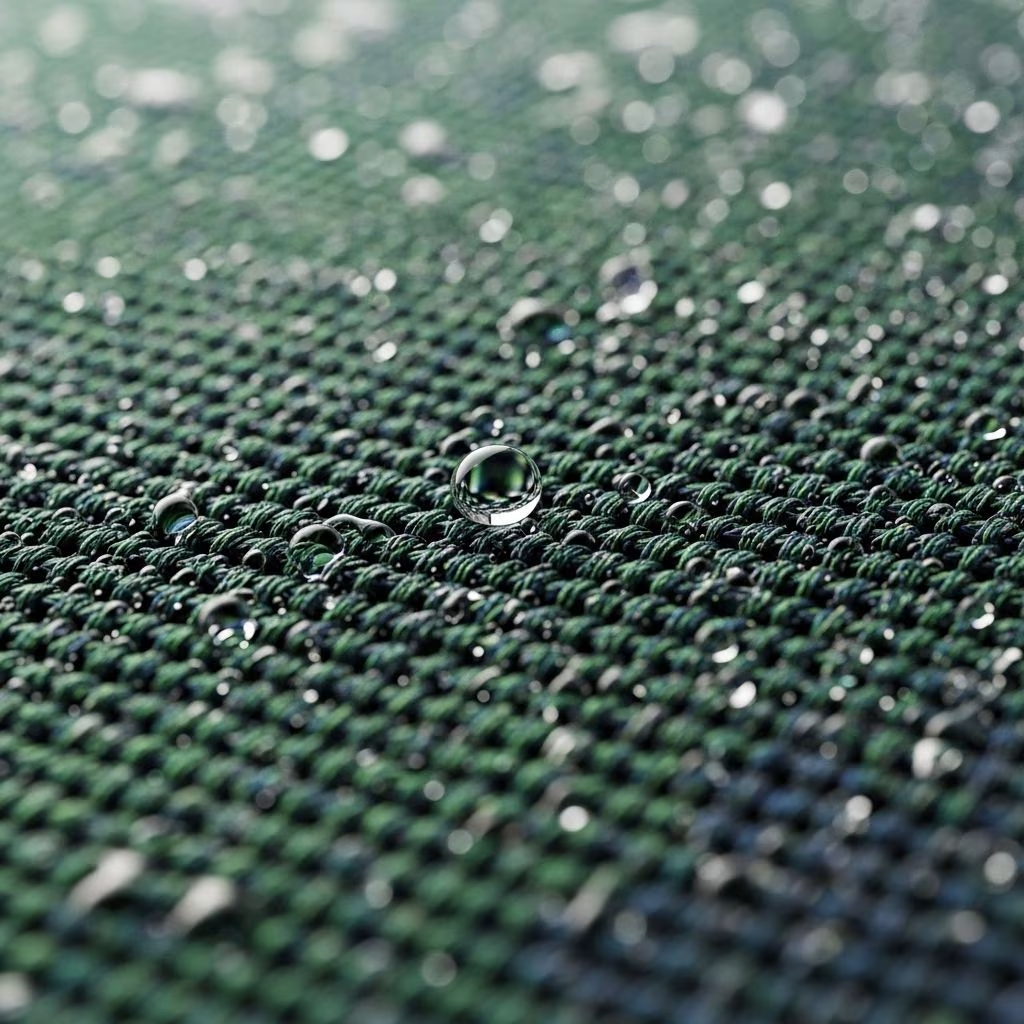
Self-cleaning fabrics could cut laundry’s water, energy, and microplastic footprint by keeping clothes fresher for weeks with far fewer washes.
 Travel Essentials
Advancements in textile nanotechnology are introducing garments that require far less washing, dramatically lowering water consumption, energy use, and microfiber pollution from laundry cycles. These innovative fabrics leverage tiny particles to repel dirt, neutralize odors, and break down stains, promoting a shift toward more responsible clothing care practices.
Laundry represents a hidden environmental burden in the fashion industry. Globally, washing clothes consumes billions of liters of water annually and generates substantial energy demands from heating and drying processes. Each load releases microplastics from synthetic fibers into waterways, contributing to ocean pollution that harms marine life.
Self-cleaning technologies address this by extending the time between washes. Fabrics embedded with antimicrobial nanoparticles prevent bacterial growth, the primary cause of odors, allowing shirts to remain fresh for days or weeks. This reduction in laundering frequency directly cuts resource use and extends garment lifespan, aligning with principles of slow fashion over disposable trends.
At the heart of these textiles are nanoparticles such as silver, copper, and titanium dioxide, integrated during manufacturing. Silver nanoparticles release ions that disrupt bacterial cell walls, eliminating odor sources without chemicals. Copper variants similarly inhibit microbial proliferation, proven effective in activewear that stays odor-free for extended periods.
Photocatalytic nanoparticles activate under light exposure, generating reactive oxygen species to degrade organic stains and microbes. When sunlight hits the fabric, these particles produce electrons that break down dirt at a molecular level, mimicking natural purification processes. Unlike surface coatings that fade, embedded nanoparticles maintain efficacy through multiple wears.
Nature offers blueprints for self-cleaning surfaces, like the lotus leaf’s micro-nano structure that repels water and dirt. Researchers replicate this with nanotextures on cotton and polyester, creating slippery surfaces where contaminants slide off with minimal water.
Reducing laundry by even 50% yields massive gains. A single household can save thousands of liters of water yearly, easing pressure on scarce resources. Energy savings from fewer dryer cycles lower carbon emissions, while diminished microfiber shedding curbs plastic pollution in ecosystems.
In water-stressed areas, these fabrics prove invaluable, supporting hygiene without excessive resource draw. For industries like hospitality and healthcare, self-disinfecting linens cut operational costs and enhance safety.
| Impact Area | Traditional Laundry | Self-Cleaning Fabrics |
|---|---|---|
| Water Use (per shirt/week) | ~10-20 liters | <5 liters |
| Microplastic Release | High per wash | Reduced by 70-90% |
| Energy Consumption | High (heating/drying) | Minimal |
| Garment Lifespan | 1-2 years | 3+ years |
Commercial examples include copper-infused shirts designed for adventurers, claiming freshness for over 100 wears without washing. These blend metal ions with natural fibers like beechwood for superior odor control. Sportswear benefits immensely, with prototypes allowing hygienic use for weeks, revolutionizing athletic apparel.
Research institutions are scaling production, with photocatalytic shirts nearing market readiness. Integration of UV protection and pollution resistance expands applications to outdoor and urban gear.
Challenges persist, including nanoparticle durability against abrasion and washing. Advanced anchoring techniques like sol-gel processing ensure longevity without compromising feel. Safety concerns around nanomaterial release require rigorous testing; current methods show minimal leaching, but standards are evolving.
Cost remains a barrier, though economies of scale promise affordability. Consumer education is key—shifting habits from daily washes to need-based care demands marketing and proof-of-concept trials.
Beyond cleaning, textiles are evolving into responsive materials. Imagine fabrics with embedded sensors detecting contamination and activating self-purification, or those adapting to UV exposure for built-in sun protection. Hybrid systems combining photocatalysis with antimicrobial agents could create all-weather, low-maintenance wardrobes.
Collaboration across disciplines—chemists, engineers, and designers—accelerates progress. As production matures, self-cleaning apparel could redefine sustainability, making eco-friendly choices the default.
No, but they drastically reduce frequency to every few weeks, handling odors and light soils effectively while needing occasional rinses for heavy use.
Yes, embedded particles show low migration risk per current studies, with no adverse effects in wear trials.
Excellent for sweat and body odors; photocatalytic types excel under sunlight for stain removal.
Not immediately, but hybrids could dominate activewear and travel gear first.
Initial nanoparticle synthesis is energy-intensive, but lifecycle savings in laundry far outweigh this.
