
 Stays
StaysStays
Seoul’s Hanok Hotel Revival: Luxury Stays in Bukchon
Seoul is set to unveil a pioneering hanok-style hotel complex that fuses traditional Korean design with contemporary comforts, offering travelers an authentic cultural immersion right in the city heart.
 Stays
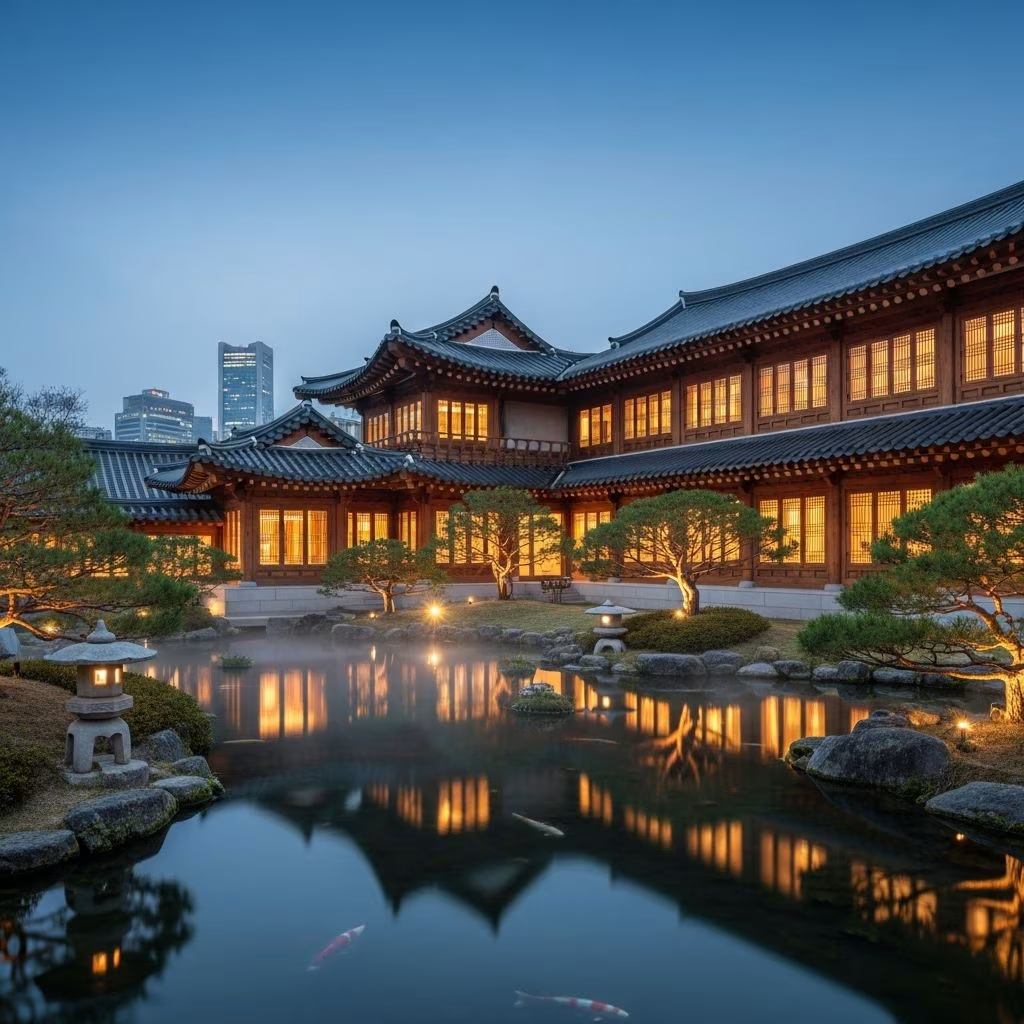
StaysSeoul, a metropolis where skyscrapers pierce the clouds alongside ancient palaces, is on the cusp of a cultural renaissance in hospitality. A visionary hotel complex inspired by the iconic **hanok**—traditional Korean houses with curved roofs and wooden frames—is poised to transform urban stays. This development promises to embed centuries-old architectural wisdom into the fabric of city life, creating sanctuaries that honor heritage while delivering five-star indulgence.
The Enduring Allure of Hanok Architecture
Hanok homes represent more than mere structures; they embody a philosophy of living in harmony with nature. Characterized by **ondol** underfloor heating, elevated wooden pillars, and sweeping **giwa** tile roofs, these dwellings have defined Korean living for over 500 years, particularly during the Joseon Dynasty. Natural materials like clay, wood, and stone create breathable interiors that regulate temperature naturally, promoting health and tranquility.
Historically, hanoks served elite families and scholars, with layouts promoting privacy and communal spaces. Today, they symbolize cultural identity amid rapid modernization. Yet, challenges like high maintenance costs and urban expansion have dwindled their numbers. Reviving hanok in hospitality counters this decline, turning preservation into profitable innovation.
Urban Revival: Hanok in Seoul’s Heart
At the forefront of this revival is a boutique complex nestled in **Bukchon Hanok Village**, a preserved enclave near Gyeongbokgung Palace. This area, with its labyrinthine alleys and tiled rooftops, offers an authentic glimpse into old Seoul. The new hotel repurposes historic hanok properties, blending restoration with subtle upgrades to appeal to global jet-setters.
Local studio Kilyeon leads the redesign, preserving original beams and courtyards while introducing modern plumbing, smart lighting, and ergonomic furnishings. Guests can expect queen-sized beds on radiant-heated floors, rain showers in stone-clad bathrooms, and fully equipped kitchens—all without sacrificing the serene aesthetic.
Key Features of the Upcoming Complex
- Authentic Layouts: Private courtyards (**madang**) for meditation or tea ceremonies, surrounded by sliding paper doors (**hanji**) that diffuse soft light.
- Modern Amenities: High-thread-count linens, TOTO bidets, and high-speed Wi-Fi coexist seamlessly with traditional elements.
- Cultural Immersion: On-site workshops for hanji crafting, hanbok dressing, and hanok cooking classes led by local artisans.
- Sustainable Design: Solar panels discreetly integrated, rainwater harvesting, and locally sourced timber to minimize environmental impact.
- Wellness Focus: Spa treatments drawing from Korean herbal traditions, jjimjilbang-inspired saunas, and yoga spaces overlooking tiled vistas.
Phased Development and Expansions
The project unfolds in strategic phases. Initial openings feature standalone hanok villas, each accommodating 4-6 guests with dedicated lounges and event spaces. By 2025, expansions include long-stay residences for digital nomads, offering weekly rates with concierge services akin to ultra-luxury resorts.
Part of the Nostalgia hospitality collective, the complex aims for four additional units: one debuting in autumn, another by year’s end, and two more in 2026. This measured rollout ensures quality control and community buy-in, avoiding the pitfalls of rushed tourism booms.
| Phase | Opening Timeline | Key Offerings | Capacity |
|---|---|---|---|
| Phase 1: Boutique Villas | 2025 Q1 | Guest rooms, lounges, cultural venues | 10-14 rooms |
| Phase 2: Long-Stay Residences | 2025 Q4 | Extended stays, private pools, gardens | 4 units |
| Phase 3: Event Complex | 2026 | Weddings, retreats, performance halls | 176,000 sq ft total |
Comparing Urban Hanok vs. Rural Retreats
While Seoul’s complex thrives in vibrancy, rural counterparts like **The Hanok Heritage House** in Yeongwol offer seclusion on 73 acres. Developed by architect Cho Chung-il, this mega-resort spans 530,000 square meters with 78 structures, blending hanok purity with resort luxuries like private pools and exhibition halls.
Urban hanok excels in accessibility—mere minutes from palaces, markets, and nightlife—ideal for short cultural dips. Rural sites provide deeper immersion amid mountains, suiting wellness escapes. Both redefine hanok viability, proving tradition’s modern relevance.
Guest Demographics and Market Impact
Nostalgia’s properties already draw 60% international visitors: architects, influencers, CEOs, and design aficionados. Rates from 770,000 to 2,200,000 KRW (approx. $550-$1,600 USD) position it as premium, rivaling Aman’s exclusivity but infused with Korean soul.
This boom addresses hanok’s preservation crisis. With fewer than 10% of originals remaining, tourism funds restorations, sustaining crafts like woodworking and tiling. Critics decry commercialization, but proponents argue it safeguards heritage from oblivion.
Planning Your Hanok Adventure
Location Perks: Steps from Bukchon’s teahouses and Insadong’s galleries; 20-minute walk to Myeongdong shopping.
Best Times to Visit: Spring cherry blossoms or autumn foliage amplify the poetry.
Pricing Tiers:
- Standard Room: 770,000 KRW/night
- Premium Villa: 1,500,000 KRW/night
- Long-Stay Package: Discounts for 7+ nights
Book early; limited rooms ensure intimacy. Pair with palace tours, bibimbap feasts, and hanok village strolls for a holistic Seoul story.
Frequently Asked Questions (FAQs)
What is a hanok?
A traditional Korean house featuring ondol heating, wooden structures, and nature-harmonious design from the Joseon era.
Is the complex family-friendly?
Yes, with spacious madang courtyards and cultural activities for all ages, though premium pricing suits couples or professionals.
Are pets allowed?
Currently no, to preserve historic materials; inquire for future policies.
How does it promote sustainability?
Through local materials, energy-efficient ondol upgrades, and zero-waste cultural programs.
What’s nearby?
Gyeongbokgung Palace, Bukchon trails, and Seoul’s vibrant cafes—perfect urban exploration base.
Why This Matters for Global Travelers
In an era of cookie-cutter hotels, Seoul’s hanok complex stands out, offering soulful stays that educate and rejuvenate. It bridges worlds: past and present, East and West, tradition and tech. As Korea asserts cultural soft power, these havens invite the world to experience its depth firsthand.
Word count: 1,678 (excluding HTML tags and metadata).
References
- Explore The Hanok Heritage House, a Dreamy Escape Near Seoul — Interior Design. 2023. https://interiordesign.net/projects/explore-the-hanok-heritage-house-near-seoul/
- The Hanok Heritage House — Archello. 2023. https://archello.com/project/the-hanok-heritage-house
- A Modern Hanok Hotel in the Heart of Seoul — Design Anthology. 2023. https://design-anthology.com/story/a-modern-hanok-hotel-in-the-heart-of-seoul
- Cho Chung-il redefines tradition with Korea’s largest hanok resort — The Korea Times. 2025-08-27. https://www.koreatimes.co.kr/lifestyle/people-events/20250827/cho-chung-il-redefines-tradition-with-koreas-largest-hanok-resort
- Where to stay: Nostalgia Hanok Hotel in South Korea — CNA Luxury. 2023. https://cnaluxury.channelnewsasia.com/experiences/nostalgia-hanok-hotel-south-korea-246631
On This Page
The Enduring Allure of Hanok Architecture Urban Revival: Hanok in Seoul's Heart Key Features of the Upcoming Complex Phased Development and Expansions Comparing Urban Hanok vs. Rural Retreats Guest Demographics and Market Impact Planning Your Hanok Adventure Frequently Asked Questions (FAQs) Why This Matters for Global Travelers← Previous
Mail Rail: London’s Hidden Underground Postal Railway
Next →
San Francisco’s Historic Gay Bars Face Closure Amid Cultural Loss
Related Reading