

 Travel Essentials
 Travel Essentials

Discover essential cultural norms, practical etiquette, and insider tips for respectful and authentic travel experiences throughout Seville.
 Travel Essentials
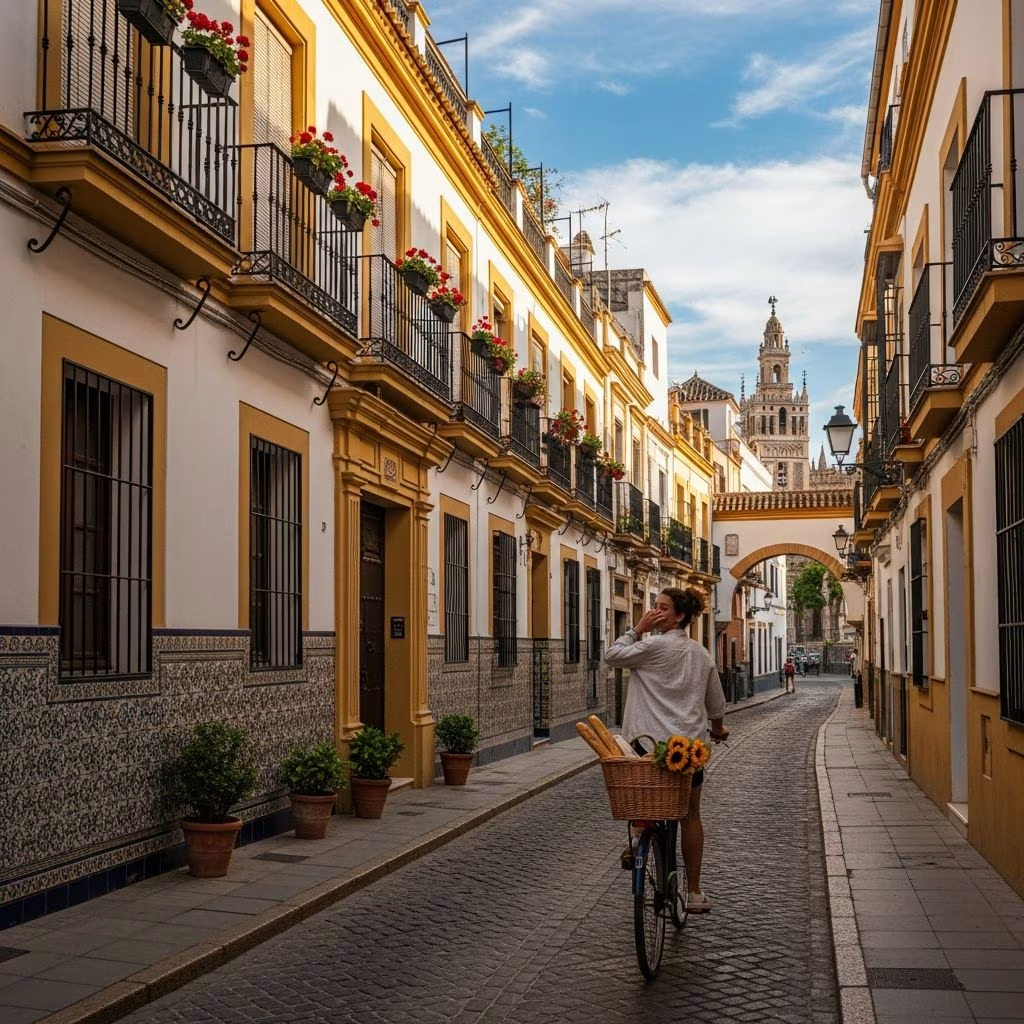
Seville, the vibrant capital of Andalusia, stands as one of Spain’s most enchanting destinations. Yet beyond its stunning architecture and world-renowned flamenco performances lies a rich tapestry of customs and unspoken cultural expectations that distinguish the authentic Seville experience from the superficial tourist route. Understanding and respecting these local conventions transforms a visit from passive observation into genuine cultural engagement. This comprehensive guide explores the cultural norms, practical etiquette, and insider knowledge that elevate your journey through this historic city.
One of the most fundamental aspects of Seville life revolves around the siesta—a midday break deeply embedded in Spanish culture. Rather than a lazy indulgence, the siesta represents a deliberate lifestyle choice reflecting the intense afternoon heat and the Spanish approach to work-life balance. Between 2 PM and 5 PM, many shops close, restaurants become quiet except for lunch service, and the city takes on a slower pace.
Visitors who understand and respect this rhythm find their experience significantly enhanced. Instead of fighting against closed doors and minimal services, travelers can embrace this cultural practice by enjoying a leisurely lunch at a local establishment, retreating to their accommodation, or exploring less crowded attractions during off-peak hours. Attempting to conduct business or expect full commercial activity during siesta hours demonstrates cultural insensitivity and often results in frustration.
The evening paseo, or evening stroll, represents another temporal rhythm worth honoring. Beginning around 7 PM and continuing into the night, locals emerge to walk through squares, socialize, and enjoy the cooler evening air. Participating in this tradition by wandering through plazas like Plaza de España or the historic streets of Barrio Santa Cruz provides authentic insight into daily Sevillian life and allows genuine interaction with residents.
Seville’s most iconic landmarks, including the magnificent Catedral de Sevilla—recognized as the world’s largest Gothic cathedral—function as active religious spaces rather than merely historical museums. While these locations welcome visitors, specific behavioral expectations apply.
Dress codes deserve careful attention. Visitors should cover shoulders and knees when entering religious buildings. Women should consider carrying a scarf or light wrap, and men should avoid sleeveless shirts. This is not merely aesthetic preference but reflects respect for the sacred nature of these spaces and the faith of worshippers who gather there regularly.
Photography restrictions often apply within cathedral interiors and during religious services. Many visitors unintentionally disrupt solemn moments by photographing ceremonies or processions. Check posted signage and observe what local worshippers do before raising a camera. If a service is occurring, consider whether your presence as a visitor is appropriate, and if attending, maintain respectful silence and stillness.
During major religious observances, particularly Semana Santa (Holy Week), pilgrimage sites and processional routes require heightened sensitivity. These are profound spiritual occasions for participants, not entertainment spectacles for tourists.
Spanish dining customs differ significantly from Anglo-American practices, and Seville maintains particularly strong traditions around meals. Understanding these conventions prevents unintentional rudeness and enriches culinary experiences.
Tapas represent far more than appetizers; they embody a social and cultural institution. The traditional practice involves visiting multiple establishments, ordering small plates accompanied by drinks, and engaging in conversation. Rushing through tapas or treating them primarily as an economical meal misses their cultural significance. Take time, savor each bite, and participate in the social aspect integral to tapas culture.
Meal timing reflects broader Spanish lifestyle patterns. Lunch, the primary meal, typically occurs between 1 PM and 3 PM. Dinner, usually lighter, happens between 8 PM and 10 PM. Restaurants catering exclusively to tourist schedules may operate outside these hours, but dining at local establishments during traditional times demonstrates respect and provides superior experiences.
Tipping conventions differ from many English-speaking countries. While service charges are typically included in restaurant bills, leaving 5-10% as gratuity for excellent service is appreciated but not obligatory. Attempting to tip extensively may actually cause confusion rather than delight.
When ordering wine or beverages, accepting what locals recommend rather than requesting specific imported brands shows respect for regional preferences. Seville’s wine culture centers on local sherries and regional producers; embracing these options connects you to local tradition.
While many Sevillians speak English, particularly in tourist-oriented establishments, attempting to communicate in Spanish—even imperfectly—demonstrates respect for local culture. Locals respond noticeably differently to visitors who try their language than to those who assume English sufficiency.
Beyond simple greetings, making genuine effort with basic Spanish phrases shows consideration. Starting conversations with “Hola” (hello) or “Buenas tardes” (good afternoon) establishes positive interaction tone. Using “por favor” (please) and “gracias” (thank you) consistently throughout interactions, rather than only when necessary, reflects politeness embedded in Spanish culture.
Understanding that Spanish, not English, is the primary language helps contextualize why some residents may not speak your language. Patience and good humor about communication challenges creates better connections than frustration or expectations that English should be universally available.
Seville’s public squares, parks, and streets pulse with activity, yet unwritten rules govern behavior in shared spaces. The city’s famous plazas are communal gathering spaces, not performance venues for tourists. Excessively loud behavior, playing music without permission, or monopolizing prime seating areas violates implicit social contracts.
Personal space operates differently in Spain than in Anglo-American contexts. Sevillians stand closer during conversations and engage in more frequent physical contact like arm touching during discussion. This should not be interpreted as intrusive but rather as normal interpersonal communication style. Similarly, queuing practices may appear less rigid than in other cultures; this reflects different organizational approaches rather than chaos.
Discussing politics or making disparaging comments about Spain, its regions, or its governance demonstrates poor judgment in a country with complex regional identities and recent political sensitivities. Neutral, appreciative engagement with local culture represents appropriate visitor behavior.
The relationship between merchants and customers in Seville differs from transactional retail models common elsewhere. Shopping often involves personal interaction and conversation; rushing through purchases without acknowledgment of the shopkeeper feels discourteous.
Bargaining expectations vary by context. In tourist markets and certain establishments, negotiating prices is anticipated. However, in regular shops with marked prices, attempting to haggle is inappropriate and disrespectful. Understanding which contexts permit negotiation prevents awkward situations.
Many smaller shops close during siesta and maintain specific weekday hours. Planning shopping accordingly and not expecting 24-hour availability or extended hours demonstrates respect for proprietor time and lifestyle choices. Similarly, attempting to enter shops a few minutes before posted closing time is inconsiderate to owners preparing to leave.
Seville hosts numerous festivals and celebrations throughout the year, each carrying cultural significance beyond entertainment value. Semana Santa processions, Feria de Abril, and other events are deeply meaningful to residents, not performances created for tourist consumption.
If attending religious processions or festivals, observe quietly and respectfully. Photography during Semana Santa, for instance, should not interfere with participants’ spiritual experience. Wearing Feria de Abril dress appropriately involves understanding that specific clothing styles carry meaning within this cultural context; wearing traditional costumes without understanding their significance appears disrespectful.
Supporting local festivals through purchase of authentic items, attendance fees supporting community organizations, and genuine engagement—rather than seeking exotic photographs or treating events as amusement—honors their true purpose.
Respecting Seville extends beyond cultural etiquette to environmental and economic responsibility. Over-tourism has affected many historic city centers. Responsible visitors make conscious choices about where they shop, dine, and spend money, supporting local businesses rather than international chains whenever possible.
Vandalism, removing items from archaeological sites, or disrespecting public property demonstrates contempt for the cultural heritage you came to experience. Equally important, respecting “No Entry” signs, following marked paths in sensitive areas, and avoiding behavior that damages infrastructure reflects consideration for the city and future visitors.
Understanding that residents possess legitimate grievances about tourism overflow helps frame appropriate visitor behavior. Taking up excessive space, making noise late at night, or displaying disrespect for residential areas crosses from tourist to problematic visitor.
Tipping is not mandatory in Spain, as service charges are typically included in bill totals. However, leaving 5-10% as gratuity for good service is appreciated. Credit card payments often prompt tip inquiries on terminals, but these are optional suggestions rather than expectations.
Photography policies vary by the specific sections of the cathedral and whether services are occurring. Interior photography is generally permitted in non-sacred areas, but flash photography and photography during services are prohibited. Always observe posted signs and respect worshippers present.
Cover shoulders and knees when entering any religious building. Women should carry a scarf or wrap for sites without posted relaxed dress codes. Comfortable walking shoes are advisable since many religious buildings involve extensive exploration.
Bargaining is culturally appropriate in tourist markets and informal markets but not in regular retail establishments with fixed prices. When negotiating in appropriate contexts, approach the interaction as respectful haggling rather than aggressive price reduction demands.
Most Sevillian restaurants begin dinner service around 8 PM, with peak hours between 9 PM and 10 PM. Arriving before 8 PM may result in staff still preparing the restaurant, though some establishments accommodate earlier diners.
Ultimately, understanding and honoring Seville’s unwritten rules transforms visits from superficial tourism into genuine cultural engagement. Locals respond generously to visitors who demonstrate respect, language efforts, and willingness to adapt to local rhythms. These visitors often receive restaurant recommendations, directions presented with enthusiasm, and small kindnesses that more entitled tourists never experience.
The greatest gift travelers offer Seville involves recognizing that this is a living city inhabited by people with rich traditions, not a museum designed for visitor entertainment. Approaching the experience with humility, curiosity, and respect creates reciprocal warmth and transforms Seville from destination into genuine cultural encounter.
