

 Travel Essentials
 Travel Essentials

Learn how to experience Seville's rich culture, historic landmarks, and vibrant neighborhoods while keeping travel costs minimal through strategic accommodation choices and free activities.
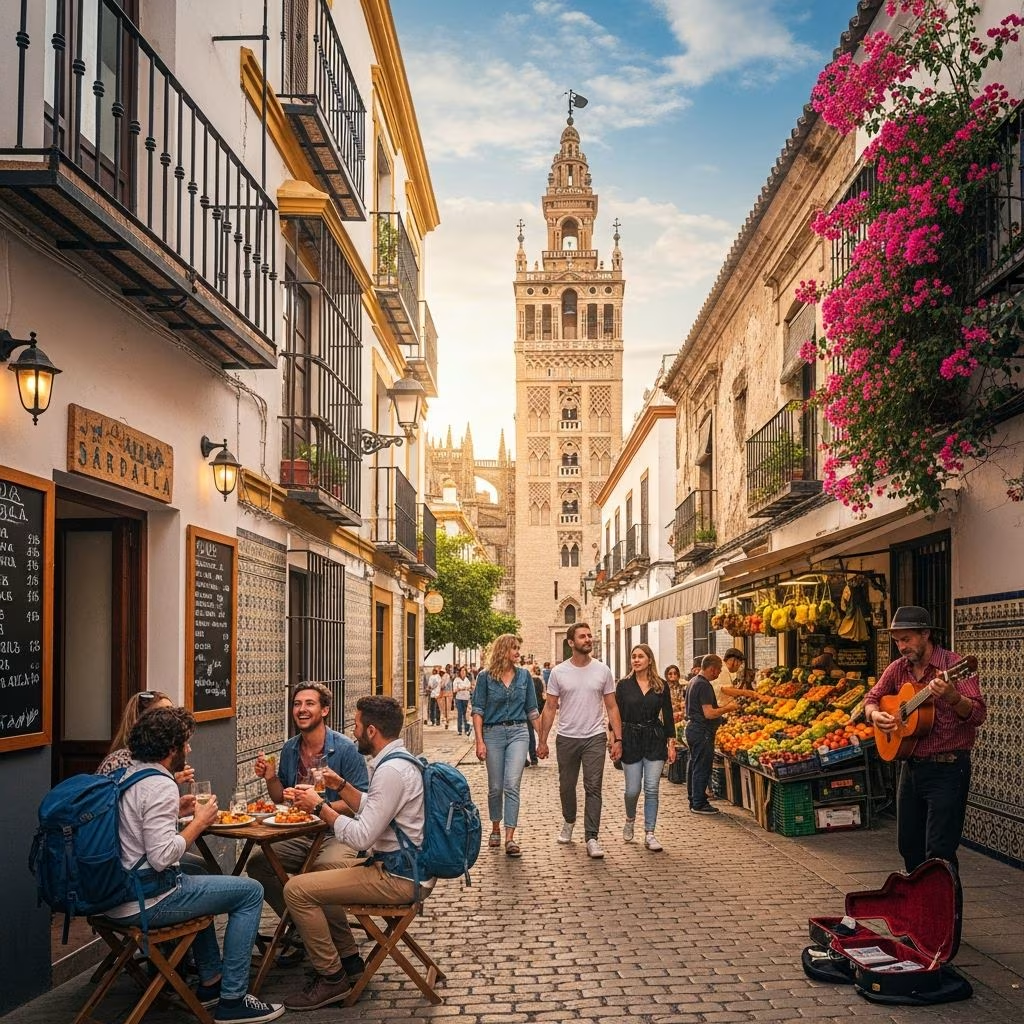 Travel Essentials
Seville, the vibrant capital of Andalusia in southern Spain, offers travelers an incredible opportunity to experience authentic Spanish culture, stunning architecture, and world-class flamenco performances without requiring a significant financial investment. Unlike many European destinations that have become increasingly expensive for budget-conscious visitors, Seville remains refreshingly affordable while delivering memorable experiences. The key to maximizing your enjoyment while minimizing costs lies in understanding where to stay, how to move around the city efficiently, which attractions offer the best value, and where to find exceptional food at reasonable prices.
This comprehensive guide provides practical strategies for experiencing everything Seville has to offer while adhering to a tight travel budget. Whether you’re a solo traveler, backpacker, or family looking to stretch your euros further, the following recommendations will help you navigate Seville’s neighborhoods, attractions, and dining scene without sacrificing quality or cultural authenticity.
Accommodation typically represents the largest expense for travelers, making smart lodging decisions crucial for maintaining a budget. Rather than staying in the heavily touristed Santa Cruz district or city center, consider basing yourself in alternative neighborhoods that offer significantly lower prices while maintaining excellent connectivity to main attractions.
Triana, situated across the Guadalquivir River from the historic center, provides an authentic residential atmosphere while remaining just minutes away from major landmarks. This former artisan district retains its bohemian character with narrow streets, local bars, and genuine neighborhood energy. Apartment rentals in this area typically cost around $131 per night through platforms like Airbnb, compared to the city average of approximately $217.50 nightly. The neighborhood proximity to Manu Jara Dulcería, a celebrated pastry shop, means you can start mornings with fresh churros and chocolate at a fraction of tourist-area prices.
La Banda, another economical option, combines affordability with curated experiences. This multi-award-winning hostel incorporates paella dinners, rooftop yoga sessions, guided city tours with brunch components, and evening flamenco performances into their accommodation packages. Such bundled offerings represent exceptional value when you factor in the cost of these activities separately.
Room007 Salvador presents a middle ground between traditional hostel experiences and private accommodation comfort. Located near Las Setas (the Metropol Parasol), this converted coffee roastery maintains impressive architectural design with an elegant colonnaded courtyard. Their pricing structure accommodates various budgets: a private room sleeping six occupants costs €144, while doubles with bunk beds rent for €72 per night. This option appeals to solo travelers seeking social interaction without compromising privacy or paying premium hotel prices.
Seville’s layout makes exploring without expensive transportation options not only possible but preferable. The city’s infrastructure and pedestrian-friendly design actually encourage free and low-cost movement methods.
The most economical and authentic way to experience Seville involves simply walking through its neighborhoods. The major districts—Santa Cruz, La Macarena, El Arenal, and Triana—cluster together sufficiently that reaching most landmarks requires minimal walking time. Main attractions typically fall within a 20-minute walking radius, and the relatively flat terrain makes pedestrian exploration comfortable even during longer urban rambles. Walking through twisting medieval streets allows you to discover hidden plazas, neighborhood bars, and local life that rushed tourists often miss.
For those seeking structured walking experiences, La Banda Rooftop Hostel operates free walking tours throughout the city. Their “Golden Sevilla” route highlights principal attractions, while “Tales of Santa Cruz” explores the medieval Jewish quarter during evening hours. These tours, supported through gratuities rather than mandatory fees, provide valuable local perspective while maintaining minimal cost.
Seville’s development of approximately 111 miles of dedicated bike lanes over recent decades makes cycling both safe and practical. The city’s flat terrain eliminates the physical demands associated with biking in more mountainous regions. The Servici app enables users to access pick-up-drop-off city bikes through a seven-day plan costing around €13. This subscription includes the first 30 minutes of each ride free, with subsequent usage billed at €1 per hour, then €2 for additional hours. Such a system makes short-distance trips essentially free while keeping longer journeys economical compared to taxi alternatives.
Seville’s most celebrated landmarks—the Real Alcázar, Cathedral, and Metropol Parasol—can be experienced through strategic timing and planning that significantly reduces or eliminates entrance fees.
The Real Alcázar offers free entry on specified occasions, particularly for those flexible with scheduling. Similarly, Seville Cathedral and its associated Bell Tower (La Giralda) provide complimentary access on Sunday evenings from 4:30 to 6:00 PM, though only 100 tickets distribute weekly, requiring advance booking. The Metropol Parasol allows free internal exploration of certain areas while charging modest fees for climbing to the observation deck during peak times.
These institutions recognize that tourists operating on constrained budgets still represent valuable visitors who contribute to local restaurants, shops, and services. Timing visits strategically around free or reduced-price periods allows even deeply budget-conscious travelers to check major landmarks off their itineraries.
For travelers planning multiple museum visits and paid attractions, the Sevilla Card presents compelling value. The 24-hour card costs €29, while 48-hour access runs €47 (€20 for children) and 72-hour passes sell for €60 (€20 for children). These cards include free admission to most city museums, discounted or free tours including boat rides on the Guadalquivir River, complimentary entry to Isla Mágica theme park, and discounts at participating restaurants and flamenco venues. Purchasing online often yields modest additional discounts.
Seville’s cultural heritage and entertainment scene need not strain limited travel budgets when you know where to look and how to time visits strategically.
Many of Seville’s most enchanting experiences require no admission fees whatsoever. The Barrio de Santa Cruz medieval Jewish quarter invites unhurried exploration through labyrinthine streets, colorful plazas, and fragrant gardens. The Guadalquivir River provides scenic walking opportunities along bridges, terrace bars, and near the historic Torre del Oro. Jardines del Guadalquivir and Parque María Luísa offer peaceful spaces for reading, meditation, or observation of local life without any financial obligation.
Jardines de la Buhaira presents particularly compelling attractions: an 11th-century Moorish palace, restored Islamic pool, and landscaping with date palms creates an atmosphere suited for reflection and cultural appreciation. These gardens demonstrate that Seville’s most memorable moments often arise from free exploration rather than ticketed attractions.
Alameda de Hércules—or simply La Alameda—represents a quintessentially local gathering place where residents congregate for drinks, conversation, and people-watching. Visiting such spaces provides genuine cultural immersion impossible to replicate through guided tours or paid attractions. The Triana neighborhood, with its concentration of local bars and restaurants, offers opportunities to observe authentic daily Spanish life while enjoying regional specialties at neighborhood prices rather than tourist-area markups.
Spain’s tradition of generous portions (raciones) and reasonable restaurant pricing makes dining surprisingly affordable even in central locations. Understanding local dining customs and choosing establishments wisely maximizes food quality while controlling expenditure.
Lunch traditionally represents Spain’s primary meal, typically consumed between 1 and 3 PM, when many establishments offer menu del día (daily menus) providing substantial meals—usually including appetizer, main course, dessert, and beverage—at deeply discounted prices compared to evening service. This midday meal format allows budget travelers to enjoy quality cuisine at prices roughly half of what evening dining costs.
Tapas traditions provide another economical dining approach. Ordering multiple small plates across several bars creates varied meals at reasonable per-item costs. Many establishments in neighborhoods like Triana still maintain the tradition of complimentary tapas with drink orders, particularly during late afternoon hours.
For travelers maintaining accommodation with kitchen facilities, visiting local markets offers exceptional value and cultural insight. Fresh produce, bread, cheese, and prepared items cost substantially less than restaurant equivalents while allowing dietary flexibility and picnic opportunities in parks or along river walks.
Seville’s climate and tourism patterns significantly influence pricing across accommodation, transportation, and attractions. Strategic timing of visits can reduce overall travel expenses substantially.
July and August offer the most competitive hotel rates but present challenging heat conditions, with temperatures frequently exceeding 38°C (100°F). These months suit travelers with high heat tolerance seeking maximum accommodation savings. November provides moderate pricing and comfortable weather, making it an underrated budget travel period. March and June similarly offer good accommodation value with pleasant spring and early summer conditions. Avoiding peak tourism seasons—spring break periods, summer school holidays, and Christmas holidays—ensures lower prices across all services while reducing crowding at major attractions.
Beyond conventional sightseeing, Seville offers numerous low-cost activities appealing to various interests and energy levels.
For active travelers, a approximately 6-mile circular route through historic neighborhoods provides free exercise combined with sightseeing. Beginning at the Real Alcázar, the route progresses northward toward La Macarena, crosses the river to Jardines del Guadalquivir, traverses the park southward toward Triana, and returns through El Arenal. This self-guided running or walking route encompasses major neighborhoods while allowing pace customization and stop opportunities.
Beyond primary landmarks, Seville’s museums and cultural institutions frequently offer free or reduced admission during specific hours or days. The Museum of Fine Arts, Torre del Oro, and various smaller museums maintain such policies. Checking current admission schedules upon arrival or consulting tourist information offices provides updated information on free opportunities coinciding with your visit.
July and August offer the lowest accommodation rates but present extreme heat. November and March provide balanced conditions with reasonable pricing and pleasant weather. Off-season months generally feature lower costs across all services compared to peak tourism periods.
Yes, through strategic timing. The Cathedral offers free entry on Sunday evenings, and many parks and public spaces provide free exploration. The Sevilla Card maximizes value if visiting multiple paid attractions, but free experiences throughout the city provide rich cultural exposure without expenditure.
Absolutely. The city’s flat terrain and clustered neighborhoods make walking the primary exploration method. Most attractions lie within 20-minute walking distances, making pedestrian movement both economical and practical.
Triana and La Banda provide significantly lower prices than central Santa Cruz or city center areas while maintaining proximity to major attractions and offering authentic local atmosphere.
La Banda Rooftop Hostel operates free walking tours, including “Golden Sevilla” covering main sights and “Tales of Santa Cruz” exploring the medieval Jewish quarter. These tours operate on gratuity-based systems.
