

 Travel Essentials
 Travel Essentials

Explore the Sherpa community's origins, climbing legacy, cultural beliefs, and resilience against tragedies in the Himalayas.
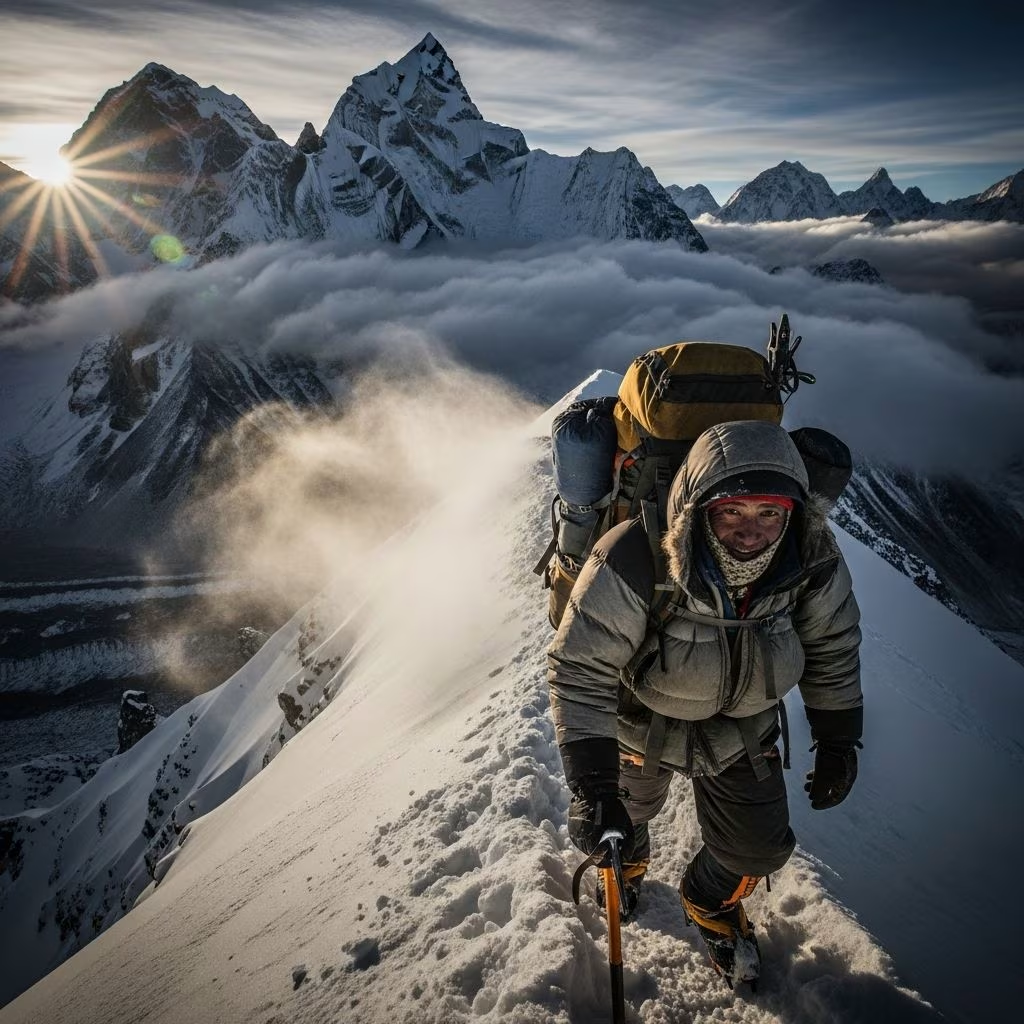 Travel Essentials
The Sherpa people, native to the high-altitude regions of Nepal’s Himalayas, embody a unique blend of physical prowess, cultural depth, and adaptive resilience. Renowned for guiding climbers to the summits of the world’s highest peaks, they have become synonymous with Everest expeditions, yet their story extends far beyond the ropes and ice axes.
Sherpas trace their roots to eastern Tibet, migrating to Nepal’s Solukhumbu region around the 15th century. Thriving at elevations above 3,000 meters, they adapted to thin air and harsh weather through generations of herding yaks, trading goods, and practicing subsistence farming. Their name, meaning “eastern people,” reflects this migratory past.
Traditional Sherpa life revolved around close-knit villages like Namche Bazaar, where stone houses cluster amid terraced fields. Yak dung fuels stoves, and potatoes form dietary staples. This self-sufficient existence fostered physiological advantages, including efficient oxygen use at altitude, though often romanticized by outsiders.
British expeditions in the early 20th century first recruited Sherpas as porters for reconnaissance of peaks like Everest. Initially viewed through a colonial lens as sturdy laborers, Sherpas quickly proved indispensable due to their terrain knowledge and endurance.
The 1953 ascent by Edmund Hillary and Tenzing Norgay marked a turning point, elevating Sherpas from porters to co-conquerors. Norgay’s role challenged paternalistic attitudes, paving the way for Sherpa-led climbs and record-breaking feats.
Mount Everest has claimed over 300 lives since 1921, with Sherpas comprising about one-third of fatalities—around 99 deaths. They face disproportionate risks navigating the Khumbu Icefall, a shifting labyrinth of crevasses and seracs, often multiple times per season while ferrying loads for clients.
| Event | Date | Sherpa Losses | Context |
|---|---|---|---|
| Khumbu Icefall Avalanche | April 18, 2014 | 16 | Guides fixed ropes in traffic jam |
| Base Camp Avalanche | 2015 Earthquake | 19 | Triggered by seismic activity |
These incidents underscore the hazardous labor: Sherpas shoulder 30-40 kg loads through unstable ice, exposed to avalanches without the safety margins afforded paying climbers.
Tibetan Buddhism permeates Sherpa identity, with monasteries like Tengboche serving as spiritual anchors. Nyingmapa traditions emphasize harmony with nature, viewing mountains as sacred abodes of deities. Climbers’ activities—loud helicopters, waste—sometimes provoke rituals to appease gods.
Pre-mountaineering, village lamas and shamans handled healing and rites. Monastic influences grew alongside tourism, blending with traditional practices. Sherpas avoid harming animals or polluting, attributing disasters to divine displeasure.
Early interactions cast Sherpas as subordinates to “sahibs,” but post-1970s cultural shifts fostered equality. Sherpas now use first names, partner in ventures, and lead teams. Yet, power imbalances persist: clients summit while Sherpas toil below.
Academic analyses highlight Sherpa agency in adapting Western influences, countering stereotypes of passivity. They invest earnings in education and lodges, diversifying beyond climbing.
Despite fame, many Sherpas grapple with poverty. Nepal’s 20.27% national rate in 2023 disproportionately affects remote communities. Climbing income—peaking at $5,000-10,000 per season—is seasonal and risky, insufficient against exploitation.
Low wages, insurance gaps, and gear costs burden families. Post-2014 strikes demanded fair pay, helicopter rescues, and death benefits, yielding partial reforms.
Guides like Furba Tamang, with nine Cho Oyu summits, weather faces etched by altitude. In crises, such as client hypoxia, Sherpas debate evacuation, prioritizing lives over summits. Bonds form swiftly on treks, as trekkers note Sherpas’ quiet strength amid exhaustion.
Tourism boom strains resources: youth migrate for jobs, eroding traditions. Yet, Sherpas invest in schools and eco-tourism, balancing preservation with progress. Community funds support widows and orphans from tragedies.
Climate change accelerates ice melt, heightening risks. Sherpas advocate sustainable practices, training in rescue tech. Their resilience—rooted in culture and adaptation—positions them to shape mountaineering’s evolution.
Genetic adaptations for high altitude, lifelong exposure, and intimate mountain knowledge enable superior performance.
Approximately 99 Sherpas among 312 total deaths, due to frequent exposure in danger zones.
Many do on Everest for efficiency, but records exist without, showcasing natural endurance.
Primarily Tibetan Buddhism, with rituals honoring mountain spirits and monastic traditions.
No, poverty persists; earnings are modest and offset by risks and living costs.
