


 Food & Culture
Food & Culture
Shikoku Food Guide: Udon, Seafood, Citrus & Regional Flavors
Explore Shikoku's regional cuisine, from Kagawa's legendary udon to Kochi's seared bonito and Ehime's citrus delights, shaped by sea, mountains, and tradition.
 Food & Culture
Japan’s Shikoku island, the smallest of the nation’s four main islands, boasts a food scene deeply intertwined with its dramatic landscapes of rugged mountains, fertile citrus terraces, and nutrient-rich seas. This region, comprising Ehime, Kagawa, Kochi, and Tokushima prefectures, produces dishes that emphasize freshness, simplicity, and ingenuity born from geography. Seafood straight from the Inland Sea and Pacific currents dominates, complemented by buckwheat from steep slopes and world-class citrus. Unlike more urbanized Japanese cuisines, Shikoku’s offerings reflect a resourceful spirit, where preservation techniques and seasonal ingredients create bold, unpretentious flavors.
The Geographic Foundations of Shikoku Flavors
Shikoku’s cuisine is a direct product of its terrain. Coastal straits with powerful tides yield fish with exceptionally firm textures, ideal for raw or lightly seared preparations. Citrus groves, terraced to capture sunlight from multiple angles—including reflections off the sea and heat from stone walls—produce exceptionally sweet varieties. In the highlands, where rice cultivation proved impossible, communities turned to hardy buckwheat, fostering unique grain-based dishes. This interplay of sea, soil, and elevation has crafted distinct prefectural identities, each showcasing hyper-local ingredients and time-tested cooking methods.
- Coastal Influence: Powerful currents firm up fish flesh, perfect for tataki-style searing.
- Citrus Heartlands: Terraced orchards maximize sun exposure for superior sweetness.
- Mountain Resilience: Buckwheat thrives on rocky slopes, inspiring soba-like innovations.
Ehime Prefecture: Seafood and Citrus Excellence
Bordering the calm Inland Sea, Ehime benefits from a mild climate that ensures top-tier freshness in its produce. Sea bream reigns supreme, prepared in luxurious styles like tai-meshi, where a whole fish steams with rice in kelp broth inside a clay pot. The result is crispy-bottomed rice infused with delicate fish essence, a dish tracing back to imperial traditions. Another highlight is houraku-yaki, a festive platter of prawns, sea bream, eggs, and vegetables arranged on aromatic pine needles and cooked on earthenware. This method, linked to historic pirate clans, infuses the seafood with smoky pine fragrance while preserving natural juices.
Ehime’s citrus, particularly mikan oranges, enjoys national fame for their juicy sweetness. These fruits star in desserts, salads, and even savory pairings. Don’t miss jakoten, crispy fish cakes made from grinding whole firefly fish (hotaru-jako) from the Uwa Sea. Deep-fried for a chewy, umami-packed bite, they’re often enjoyed with soy, daikon, and beer— a nod to zero-waste fishing practices from the 1600s.
| Dish | Main Ingredients | Preparation Style |
|---|---|---|
| Tai-meshi | Sea bream, rice, kelp broth | Steamed in clay pot |
| Houraku-yaki | Seafood mix, pine needles | Pan-grilled on earthenware |
| Jakoten | Whole firefly fish | Ground and deep-fried |
Kagawa Prefecture: Udon Paradise and Noodle Innovations
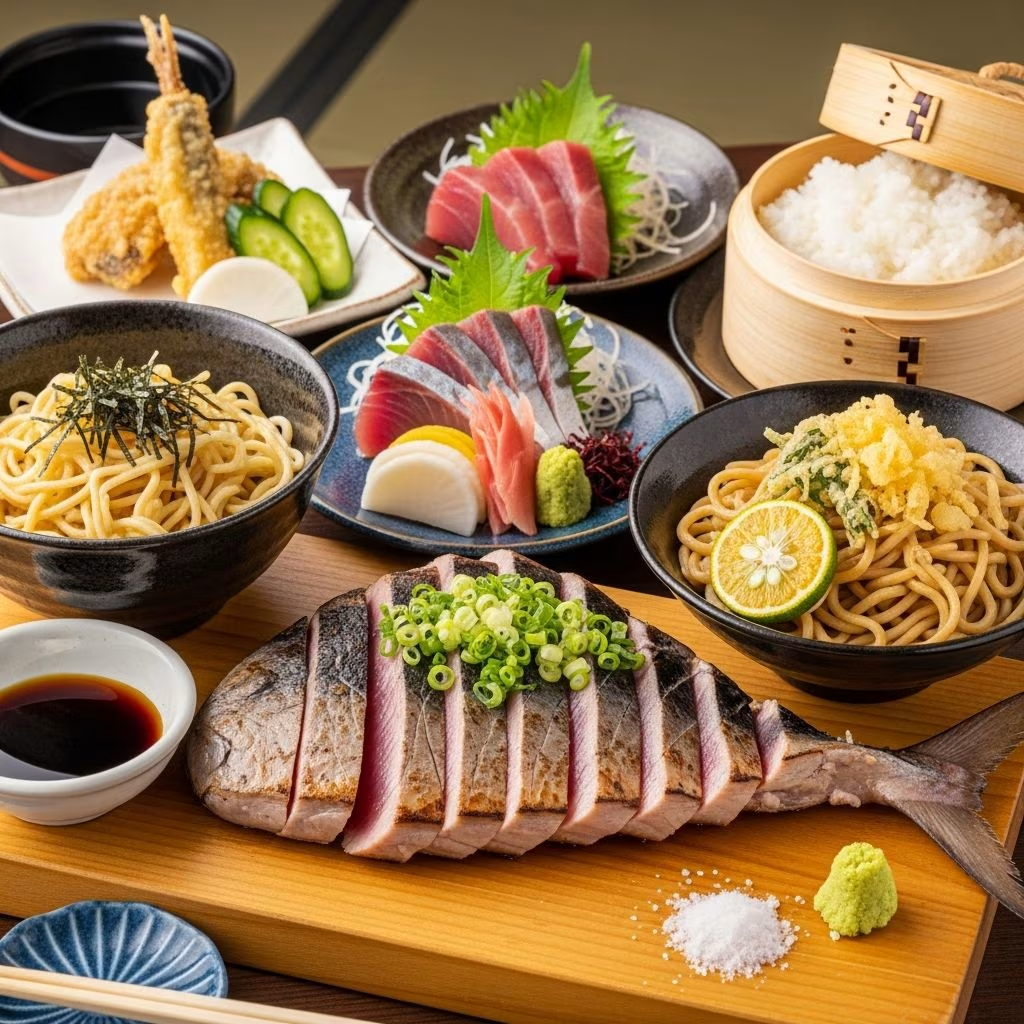
Known as Japan’s udon capital, Kagawa elevates noodles to an art form. Sanuki udon, thick and chewy, headlines with its springy texture from high-gluten wheat. Slurped hot or cold, it’s often paired with dashi broth made from shiitake, dried sardines, and soybeans. In Oda near Uchiko, tarai udon arrives in wooden tubs for communal dipping, highlighting local wheat’s softening quality.
Shodoshima somen offers a slender counterpoint, sometimes arranged in five colors for celebrations like weddings, symbolizing enduring happiness. Topped with simmered sea bream and omelet, it’s a visual and flavorful feast. Seafood shines too, with iriko—crunchy baby sardines—as a addictive snack. For meat lovers, honetsuki-tori delivers juicy, bone-in chicken grilled to perfection.
With 600 to 800 udon spots in this compact prefecture, noodle trails draw food pilgrims eager to compare broths and noodle firmness.
Kochi Prefecture: Bold Simplicity from the Pacific
Kochi’s cuisine channels raw ocean power, with katsuo (skipjack tuna) as its icon. Katsuo no tataki involves torch-searing the exterior over straw for a smoky crust while keeping the center sashimi-raw. Served with citrus, ginger, and salt, the temperature contrast defines Pacific Coast freshness. Sawachi ryori piles high with seasonal catches in a bountiful seafood assortment, embodying homey abundance.
Home-style nabeyaki ramen simmers in pots with vegetables and eggs, distinct from mainland versions. Tosa buntan, a massive citrus, adds zesty brightness to meals. Kochi’s dishes prioritize unadorned quality, letting ingredients speak through minimal intervention.
Tokushima Prefecture: Mountain Grit Meets Sea Bounty
Tokushima’s wild terrain inspires rugged eats. Kaizoku ryori, or ‘pirate food,’ mirrors Ehime’s seafaring themes with fresh catches grilled simply. Amego no hirarayaki employs ancient stone slabs for flat-grilling sweetfish, yielding crispy skins and tender flesh.
Mountains yield sobagome zosui, a comforting buckwheat porridge, and dekomawashi—miso-glazed skewers of stone tofu, konjac, and potatoes. Stone tofu, rock-hard for portability, hails from Iya Valley refugees in the 12th century, grilled to caramelized perfection resembling spinning dolls. These preserved foods sustained highland dwellers through lean times.
Beverages and Sake Traditions
Shikoku pairs its meals with sake from 18 breweries, especially in areas fostering social rituals around drinking. Citrus-infused liqueurs and local teas complement seafood, while barley shochu cuts through rich broths. Sake customs often involve games that enhance communal dining.
Pilgrimage and Food Trails
Shikoku’s 88-temple pilgrimage doubles as a culinary journey, weaving through eateries serving regional specialties. Udon trails in Kagawa and citrus routes in Ehime offer structured tastings. This blend of spirituality and gastronomy underscores the island’s holistic appeal.
FAQs
What is Shikoku’s signature dish?
Sanuki udon from Kagawa is iconic, but katsuo tataki from Kochi rivals it for fame.
Is Shikoku vegetarian-friendly?
Options like buckwheat zosui and konjac skewers exist, though seafood dominates.
Best time for citrus in Shikoku?
Winter peaks mikan and buntan harvests, especially November to February.
How does geography shape the food?
Tides firm fish, terraces sweeten citrus, mountains promote buckwheat.
Any unique preservation techniques?
Stone tofu and whole-fish jakoten exemplify resourceful longevity.
Planning Your Shikoku Food Adventure
Start in Matsuyama (Ehime) for tai-meshi, udon-hop in Kagawa, sear bonito in Kochi, and hike Iya Valley (Tokushima) for dekomawashi. Markets buzz with iriko and fresh katsuo; festivals amplify feasts. Accommodations often include kaiseki featuring local hauls. Shikoku rewards the curious eater with authenticity minus crowds.
References
- The Regional Cuisine of Shikoku — Japan Travel. 2023-05-15. https://en.japantravel.com/kochi/the-regional-cuisine-of-shikoku/62557
- The Food Culture of Shikoku — Rexby (Michael Minsky). 2024-02-10. https://www.rexby.com/OffTheEatenTrack/t/the-food-culture-of-shikoku
- Shikoku’s dynamic tourism offering — Japan National Tourism Organization. 2022-01-20. https://www.japan.travel/en/ca/news/shikokus-dynamic-tourism-offering-captures-6th-on-lonely-planet-s-2022-list-of-best-regions-to-visit/
- Welcome to Shikoku, awarded 2nd place — Japan Today. 2023-11-05. https://japantoday.com/category/features/travel/welcome-to-shikoku-awarded-2nd-place-in-lonely-planet%E2%80%99s-best-in-asia-pacific
- Following the Udon Trail on Shikoku — Lonely Planet. 2023-08-12. https://www.lonelyplanet.com/articles/udon-noodles-shikoku-japan
On This Page
The Geographic Foundations of Shikoku Flavors Ehime Prefecture: Seafood and Citrus Excellence Kagawa Prefecture: Udon Paradise and Noodle Innovations Kochi Prefecture: Bold Simplicity from the Pacific Tokushima Prefecture: Mountain Grit Meets Sea Bounty Beverages and Sake Traditions Pilgrimage and Food Trails FAQs Planning Your Shikoku Food Adventure← Previous
Shikoku Food Guide: Regional Dishes, Citrus, and Street Eats
Next →
Breckenridge, Colorado: A First-Time Visitor’s Guide
Related Reading
More in Food & Culture
Food & Culture Food & Culture
 Food & Culture
Best Places to Eat in Rome: Neighborhood Dining Guide
 Food & Culture
 Food & Culture