


 Food & Culture
Food & Culture
Shimonoseki Fugu Guide: Japan’s Famous Blowfish Capital
Explore Shimonoseki's world of fugu, from its toxic allure and strict regulations to must-try dishes and top restaurants. A safe gourmet adventure awaits.
 Food & Culture
Shimonoseki, perched at the western tip of Japan’s Honshu island, reigns as the undisputed capital of fugu, the infamous pufferfish known for its lethal tetrodotoxin. This neurotoxin lurks in the fish’s organs, yet in skilled hands, fugu becomes a symbol of culinary bravery and refinement. Visitors flock here for the chance to taste this delicacy, prepared with precision that ensures safety and elevates flavor.
The Allure and Danger of Pufferfish
Fugu’s fame stems from its dual nature: a subtle, chewy flesh masking a potent poison capable of paralyzing and killing within hours if mishandled. The toxin, tetrodotoxin, blocks sodium channels in nerves, leading to respiratory failure. Despite this, Japan’s fugu culture thrives, with Shimonoseki processing a significant portion of the national catch through its dedicated Haedomari Market.
Local waters around the Kanmon Straits nurture these fish, particularly the tiger puffer, prized for its quality. Winter marks peak season, when meat is firmest, but advanced techniques allow year-round enjoyment.
A Legacy Forged in History
Fugu’s journey in Japan traces back centuries, once banned nationwide due to poisoning risks but permitted in Yamaguchi Prefecture after 1888. Prime Minister Ito Hirobumi savored it at Shunpanro restaurant, praising its safety and taste, paving the way for legalization under strict controls.
Shimonoseki solidified its status with the “Shimonoseki Fugu” brand, denoting fish processed to exacting standards at the exclusive fugu market. This heritage blends tradition with modern expertise, attracting global food enthusiasts.
Mastering Safety: Regulations and Chef Training
Safety defines fugu dining in Japan. Only licensed chefs, after 3,000 hours of training and passing rigorous exams, can prepare it. They meticulously excise toxic liver, ovaries, skin, and intestines, leaving flesh toxin-free.
In Shimonoseki, regulations are even tighter, with registered restaurants upholding the highest protocols. No recorded deaths occur from properly prepared fugu here, making it safer than everyday risks like driving.
- Licensing rigor: Years of apprenticeship required.
- Inspection mandates: Government oversight on all servings.
- Market exclusivity: Haedomari handles only fugu for premium quality.
Signature Fugu Dishes to Savor
A full fugu course offers a symphony of textures and flavors, typically costing 10,000-30,000 yen per person. Here’s a breakdown:
| Dish | Description | Key Flavor Notes |
|---|---|---|
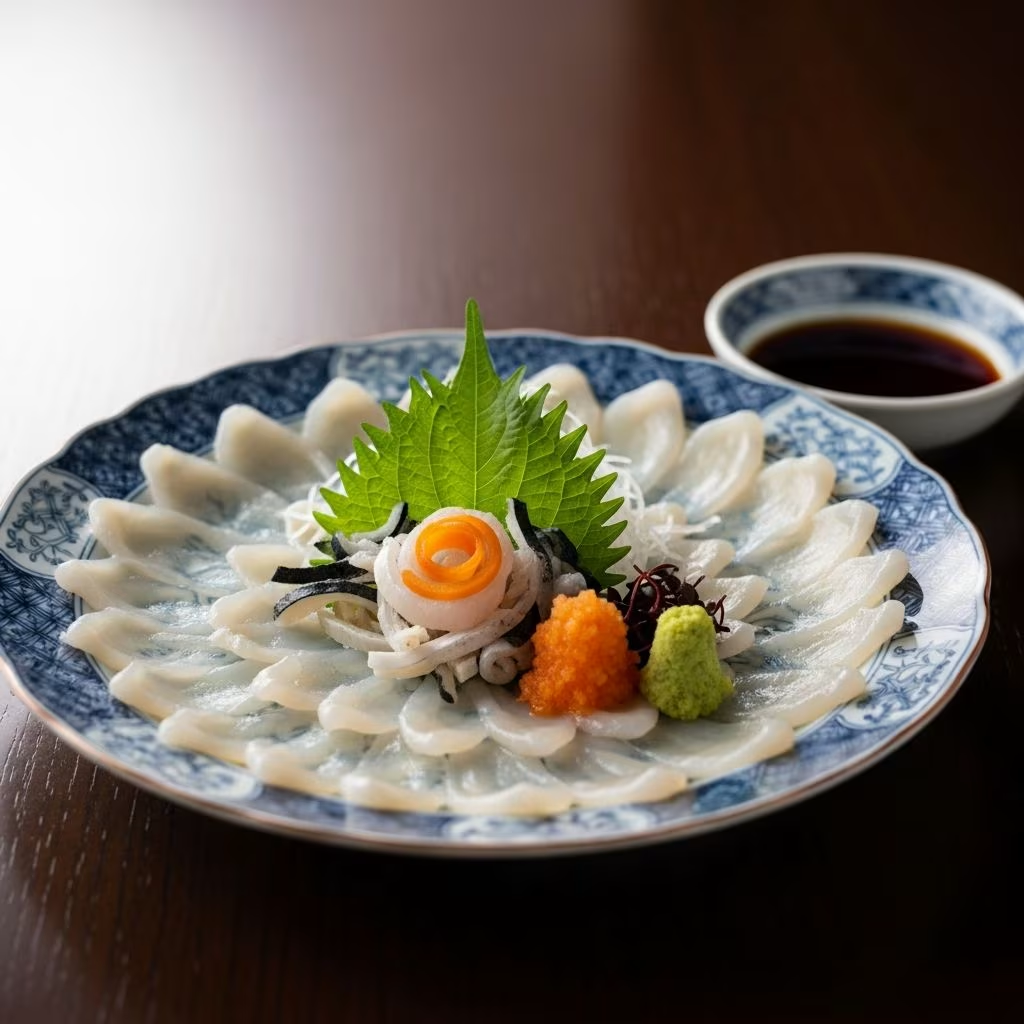
| Usuzukuri Sashimi | Paper-thin slices arranged as chrysanthemum on a platter | Delicate, chewy; ponzu dip enhances subtlety |
| Fugu Karaage | Deep-fried chunks, crispy exterior | Juicy like premium chicken, savory crunch |
| Chirinabe Hot Pot | Fugu simmered with vegetables in kelp broth | Warming umami, low-fat protein boost |
| Zosui Porridge | Rice cooked in hot pot remnants | Rich, comforting finish absorbing broth essence |
| Hirezake | Hot sake with grilled fugu fin | Smoky, aromatic finale |
Health perks include high protein, low fat, and collagen for skin benefits, positioning fugu as nutritious beyond thrill.
Top Restaurants for Authentic Experiences
Shimonoseki boasts diverse fugu spots, from historic inns to market eateries. Standouts include:
- Shunpanro: Legendary since 1888, famed for usuzukuri and chirinabe; Kanmon Straits views.
- Fugu Cuisine Shinoda: High-end kaiseki with seafood fusion, 4.5-star rated.
- Heike Chaya: Family-run for generations, offers sashimi, karaage, hot pot overlooking the bridge.
- Ichibashokudo Yoshi: Top TripAdvisor pick for accessible fugu meals.
- Mimasu and Fukunokawaku Karato: Market-adjacent for fresh, affordable bites.
Reservations essential, especially winter; many pair fugu with local kawara soba noodles.
Planning Your Fugu Adventure
Best Time to Visit
November to March optimizes flavor, coinciding with festivals like the Shimonoseki Fugu Festival. Year-round availability persists via aquaculture.
Getting There and Around
Accessible via Shimonoseki Station (JR lines from Tokyo/Hiroshima) or Kitakyushu Airport. Explore by foot or bus; Karato Market is central.
Costs and Etiquette
Budget 15,000+ yen/person for courses. Respect customs: no soy on sashimi (ponzu only), savor slowly. English menus scarce; apps aid translation.
Fugu Beyond the Plate: Culture and Myths
Fugu embodies ichiju sansai simplicity and shun seasonality. Myths of instant death are exaggerated; proper prep nullifies risks. Locals tout it for “fuku” (luck), tying into folklore.
Shimonoseki’s Kaikyo Forum hosts exhibits on fugu history, complementing meals with education.
Health and Nutritional Insights
Rich in vitamin B12, iron, and amino acids, fugu supports vitality. Collagen aids beauty, low calories suit diets. Vulnerable groups (pregnant, children) should avoid due to toxin traces.
Frequently Asked Questions (FAQs)
Is fugu really poisonous?
Yes, tetrodotoxin in organs is deadly, but licensed prep removes it entirely.
How safe is eating fugu in Shimonoseki?
Extremely; zero fatalities from regulated servings, backed by strict licensing.
What does fugu taste like?
Subtle, slightly sweet, firm texture; not fishy, compared to chicken or lotus root.
Can vegetarians or beginners try fugu?
Full courses best for newcomers; veggie sides available, but core is fish-based.
Is fugu expensive?
Premium pricing reflects expertise; value in experience.
Why Shimonoseki Stands Alone
No other city matches its market, history, and chef density. Pair with Kanmon Tunnel walks or strait cruises for holistic trip. Fugu isn’t just food—it’s a rite celebrating Japanese precision.
References
- Shimonoseki Fugu Guide: Taste Japan’s Famous Blowfish Safely — Japan West Golden Route. 2023. https://japan-west-goldenroute.com/browse-content/its-fugu-blowfish-season-experience-shimonosekis-finest/
- THE BEST Fugu (Blow Fish) in Shimonoseki — TripAdvisor. 2026-04. https://www.tripadvisor.com/Restaurants-g303150-zfd11716-Shimonoseki_Yamaguchi_Prefecture_Chugoku-Fugu_Blow_Fish.html
- Pufferfish: Where to Eat Japanese Fugu in Japan — Setouchi Travel. N/A. https://www.setouchi.travel/en/trip-ideas/13098/
- Fugu Cuisine Shinoda – Shimonoseki Restaurants — TripAdvisor. N/A. https://www.tripadvisor.com/Restaurant_Review-g303150-d4900603-Reviews-Fugu_Cuisine_Shinoda-Shimonoseki_Yamaguchi_Prefecture_Chugoku.html
- [Shimonoseki Shunpanro] About fugu (blowfish) — Shunpanro. N/A. https://www.shunpanro.com/en/fugu-browfish/
- Pufferfish Cuisine in Shimonoseki — Japan National Tourism Organization. 2022. https://www.japan.travel/en/japans-local-treasures/pufferfish-cuisine-shimonoseki-2022/
On This Page
The Allure and Danger of Pufferfish A Legacy Forged in History Mastering Safety: Regulations and Chef Training Signature Fugu Dishes to Savor Top Restaurants for Authentic Experiences Planning Your Fugu Adventure Fugu Beyond the Plate: Culture and Myths Health and Nutritional Insights Frequently Asked Questions (FAQs) Why Shimonoseki Stands Alone← Previous
Texas Hill Country Wine Guide: Best Trails, Wineries & Travel Tips
Next →
Best Hotels in Santa Fe, NM for Luxury and Value in 2026
Related Reading
More in Food & Culture
Food & Culture Food & Culture
 Food & Culture
Best Places to Eat in Rome: Neighborhood Dining Guide
 Food & Culture
 Food & Culture