

 Travel Essentials
 Travel Essentials

Explore Šibenik, a lesser-known Croatian coastal city featuring UNESCO heritage sites, dramatic fortresses, medieval architecture, and authentic Dalmatian experiences away from crowds.
 Travel Essentials
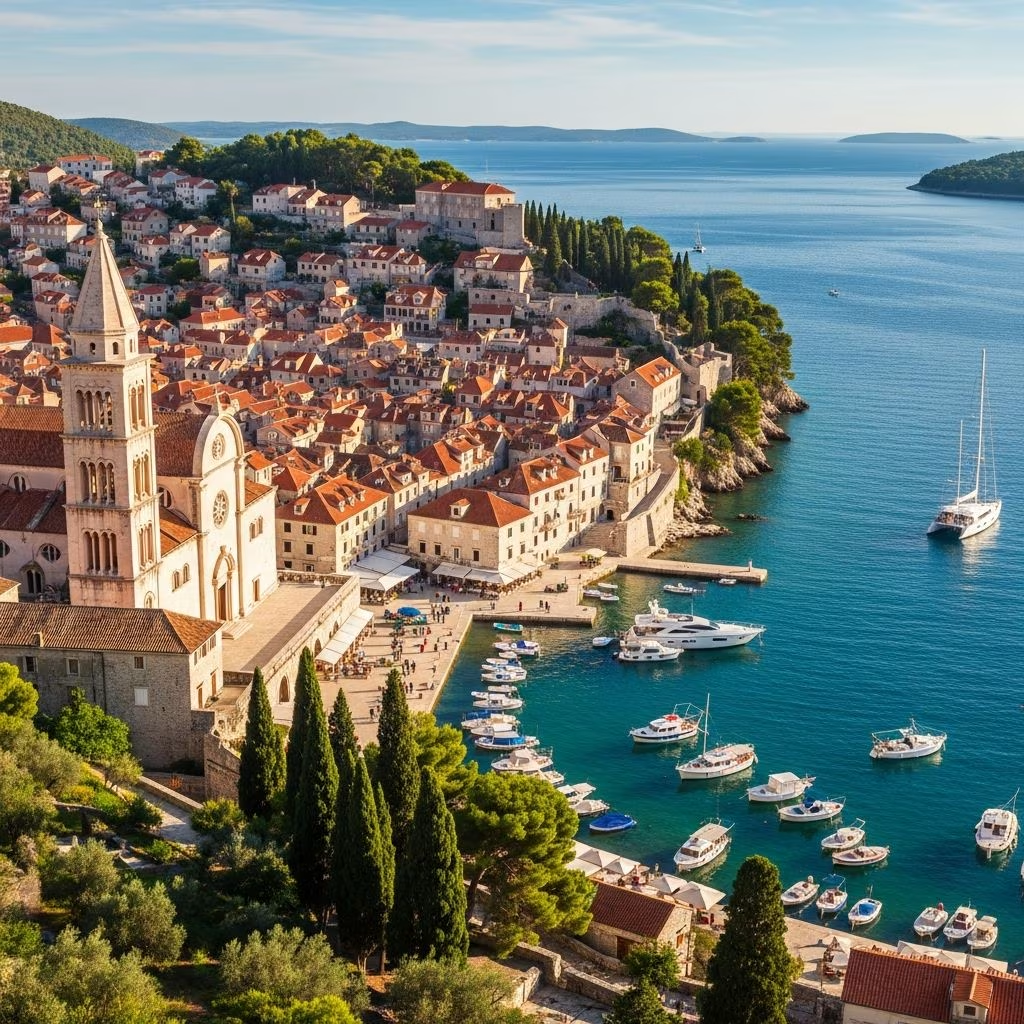
When travelers plan trips to Croatia’s Adriatic coast, names like Dubrovnik and Split dominate the conversation. Yet nestled along the central Dalmatian shoreline lies a city that captures the essence of the region without the overwhelming tourist presence. Šibenik represents an authentic slice of Croatian coastal life, where medieval architecture mingles with natural splendor, and visitors can experience the genuine rhythm of local culture.
Šibenik occupies a distinctive location in Croatia’s historical and geographical landscape. Positioned where the Krka River meets the Adriatic Sea, this city serves as a natural gateway to some of the region’s most spectacular natural attractions. Unlike many Croatian coastal towns shaped primarily by Venetian influence, Šibenik’s development followed a different trajectory. The city flourished during the Yugoslav period, drawing prosperity from industrial facilities and power installations rather than maritime trade alone. This alternative history gives Šibenik a character distinct from neighboring Mediterranean towns.
The city’s strategic location makes it an ideal base for exploring multiple attractions. From Šibenik, visitors can easily access Krka National Park, famous for its cascading waterfalls and river landscapes. The Kornati Islands, an archipelago of over one hundred islands, lie within reasonable reach for day excursions. This central position transforms Šibenik from merely a destination itself into a strategic hub for regional exploration.
The Cathedral of St. James stands as perhaps Šibenik’s most recognizable landmark and represents a remarkable achievement in European architecture. This UNESCO World Heritage Site, completed during the 15th century, showcases Italian Renaissance architectural principles applied to a Croatian context. The cathedral’s design reflects the cross-Adriatic exchange of artistic and architectural ideas between Italy and the eastern Adriatic coast during the medieval and Renaissance periods. Visitors entering the cathedral encounter a stunning interior featuring careful balance between intricate sculptural details and spacious nave areas, creating an atmosphere that transcends simple religious function to become an open-air sculpture and art museum rendered in stone.
Beyond the cathedral, Šibenik’s fortification system reveals the city’s strategic importance throughout centuries of Mediterranean history. The defensive network comprises several interconnected strongholds positioned strategically around the urban center. St. Michael’s Fortress rises dramatically from the water’s edge like a whitestone sentinel, offering commanding views across Šibenik Bay toward the Krka River delta. The medieval defensive structure provides not merely historical interest but also practical reward: the panoramic vistas from its battlements encompass both the city’s jumbled rooftops cascading toward the waterfront and the pristine natural landscape beyond.
St. John’s Fortress and Barone Fortress complete the defensive triad, each positioned to provide additional elevated perspectives across the city and surrounding waters. Walking between these fortifications transforms sightseeing into a comprehensive historical experience, with each rampart revealing new angles on Šibenik’s distinctive geography and urban character.
The Old Town’s physical layout challenges and rewards exploration simultaneously. Šibenik’s medieval planners designed an intricate maze of cobblestone streets and hidden passages that wind through the historic district. These pedestrianized thoroughfares, many barely wide enough for two people to pass comfortably, create an intimate atmosphere removed from vehicular traffic. Architectural details multiply as visitors wander: oddly proportioned windows, carved stone decorations, decorative alcoves, and unexpected arches create visual interest at every turning.
The town’s elevation changes, conquered by countless steep stone stairways, present both physical challenge and unexpected rewards. With 2,851 stone steps throughout the Old Town—the highest concentration in all of Croatia—the vertical geography transforms simple sightseeing into active exploration. Yet these stairs serve aesthetic purposes beyond mere functionality. Evening walks through the Old Town reveal the street-level lighting’s transformative effects: vintage lantern-style fixtures cast a warm golden glow across white marble flagstones, creating an atmosphere that photographs struggle to capture adequately.
Central to understanding Šibenik involves grasping the Dalmatian concept of “fjaka”—the regional art of purposeful idleness and deliberate slowness. Unlike destinations designed primarily for activity and productivity, Šibenik encourages visitors to embrace the Mediterranean pace of life. Locals sit on steps sipping espresso, enjoying gelato, and seemingly master the philosophical approach to doing nothing that fjaka represents.
The central Square of the Republic of Croatia serves as the town’s heart, functioning as a gathering point where daily life unfolds. This medieval plaza hosts local performers, market vendors, and residents conducting everyday activities. The Venetian-style City Hall, dating from 1546, anchors the square architecturally. The adjacent Šibenik City Museum, housed within the 13th-century Rector’s Palace at the waterfront, provides historical context for understanding the city’s complex past. These spaces embody authentic urban life rather than performances staged primarily for visitors.
Beyond the main attractions, Šibenik harbors lesser-known treasures that reward curiosity and wandering. The Medieval Mediterranean Garden belonging to St. Lawrence Monastery represents one such discovery. This botanical sanctuary remained hidden and abandoned for approximately one hundred years before rediscovery in the late 2000s. The garden functions as a quiet balcony overlooking the city, offering respite from the busy streets below and demonstrating how medieval monks cultivated both spiritual and physical nourishment in their monastic communities.
The city contains numerous unnamed churches and small spiritual spaces throughout its quarters, each with distinctive architectural character. Visitors benefit from carrying detailed maps and allowing time for serendipitous discovery rather than adhering to rigid itineraries. The joy of Šibenik emerges through accidental encounters with beautiful doorways, unexpected viewpoints, and quiet courtyards that tourist guides cannot adequately prepare visitors for.
Beyond the medieval streets, Šibenik’s waterfront and surrounding islands provide recreational opportunities. Banj Beach, accessible via the Adriatic promenade running between restaurants and anchored yachts, offers a genuine strip of golden sand and traditional taverna establishments. Swimming in the Adriatic at this accessible beach point provides refreshment while delivering exceptional perspectives of the Old Town seemingly tumbling into the water.
The St. Ante Hiking Trail presents a 4.4-kilometer coastal path perfect for hiking or cycling. Beginning near Panikovac Bay and extending along the Mediterranean shoreline through native vegetation, this well-maintained trail features multiple viewpoints and historic ruins along its route. The approximately one-to-one-and-a-half-hour walk offers active engagement with the landscape while revealing the fortification network from alternative perspectives.
Krka National Park, accessible from Šibenik, features the famous Skradinski Buk Waterfall with 17 cascades totaling 45 meters of descent. Wooden pathways wind through the pristine natural environment, providing opportunities to observe diverse bird species. For more adventurous visitors, kayaking and boat tours on the Krka River offer water-based exploration. The Franciscan Monastery on Visovac Island and Trošenj Fortress represent additional attractions within the park system.
Most visitors benefit from allocating three to four hours minimum for exploring Šibenik’s core attractions, though staying overnight or planning longer visits allows deeper immersion. Early morning visits provide advantages as more establishments remain open and the streets experience lighter foot traffic before midday tourist arrival. The golden evening light transforms the architecture, rewarding those who extend their visit into evening hours.
The Old Town requires pedestrian exploration exclusively, with vehicles restricted from the historic district. Comfortable walking shoes prove essential given the extensive stairways and cobblestone surfaces. Digital mapping applications offer particular utility, allowing systematic coverage planning of the medieval quarters.
Šibenik’s central position within Dalmatia makes it accessible as a one-day excursion from Split, Zadar, or other nearby cities. The town functions effectively as either a destination itself or as a component within broader regional itineraries exploring the Croatian coast and national parks.
| Destination Factor | Šibenik | Dubrovnik | Split |
|---|---|---|---|
| Crowd Levels | Moderate, manageable | Extremely high | Very high |
| UNESCO Heritage Sites | 2 sites | 1 site | Limited medieval focus |
| Medieval Authenticity | Preserved, lived-in | Heavily restored | Mixed modern/historic |
| Fortification Network | Extensive, accessible | City walls only | Limited |
| Natural Attractions Access | Krka, Kornati, beaches | Island day trips | Regional hub |
Absolutely. While Dubrovnik attracts millions annually, Šibenik offers comparable medieval architecture, better accessibility to natural attractions like Krka National Park, and significantly fewer crowds. The two UNESCO heritage sites here equal Dubrovnik’s recognition status while providing more intimate exploration opportunities.
Late spring (May-June) and early fall (September-October) offer ideal conditions with pleasant weather, manageable crowds, and all facilities operational. Summer months bring heat and larger tourist populations, while winter sees reduced services and colder conditions.
Three to four hours suffice for covering main attractions during a day visit. Overnight stays allow leisurely exploration, evening atmospheric experiences, and access to day-trip destinations like Krka National Park or nearby islands.
Yes, the town’s compact size and central location make it ideal for day visits from Split, Zadar, or intermediate coastal locations. Efficient itineraries can cover cathedrals, fortresses, and Old Town exploration within a single day.
Šibenik’s unique history, distinct from purely Venetian-influenced towns, combined with its two UNESCO heritage sites, extensive fortification network, and gateway position to major natural attractions, creates a distinctive offering among Croatian destinations.
Šibenik appeals most strongly to travelers seeking authentic Mediterranean culture without sacrificing accessibility or modern conveniences. The city avoids the over-touristed atmosphere of famous Croatian destinations while maintaining excellent services, restaurants, and accommodation options. This balance allows visitors to experience genuine Dalmatian life—the practiced leisure of fjaka, the intimate medieval streets, the dramatic fortifications—within a manageable, non-overwhelming environment.
Whether arriving for a brief afternoon visit or planning extended exploration, Šibenik rewards engagement with its distinctive character. The combination of architectural excellence, defensive heritage, natural surroundings, and authentic regional culture positions this often-overlooked city as a genuinely compelling Croatian destination deserving greater recognition and visitation.
